Venice, Behind the Mask
On the passage of time, the tenderness of disguise, and the dream of eternity.
It began with a beautiful day in Nice.
My husband and I decided, almost on impulse, to spend a long weekend in Venice. We took a plane, then a boat across the water, and arrived at a hotel whose name I can no longer remember.
But I remember the feeling of arriving.
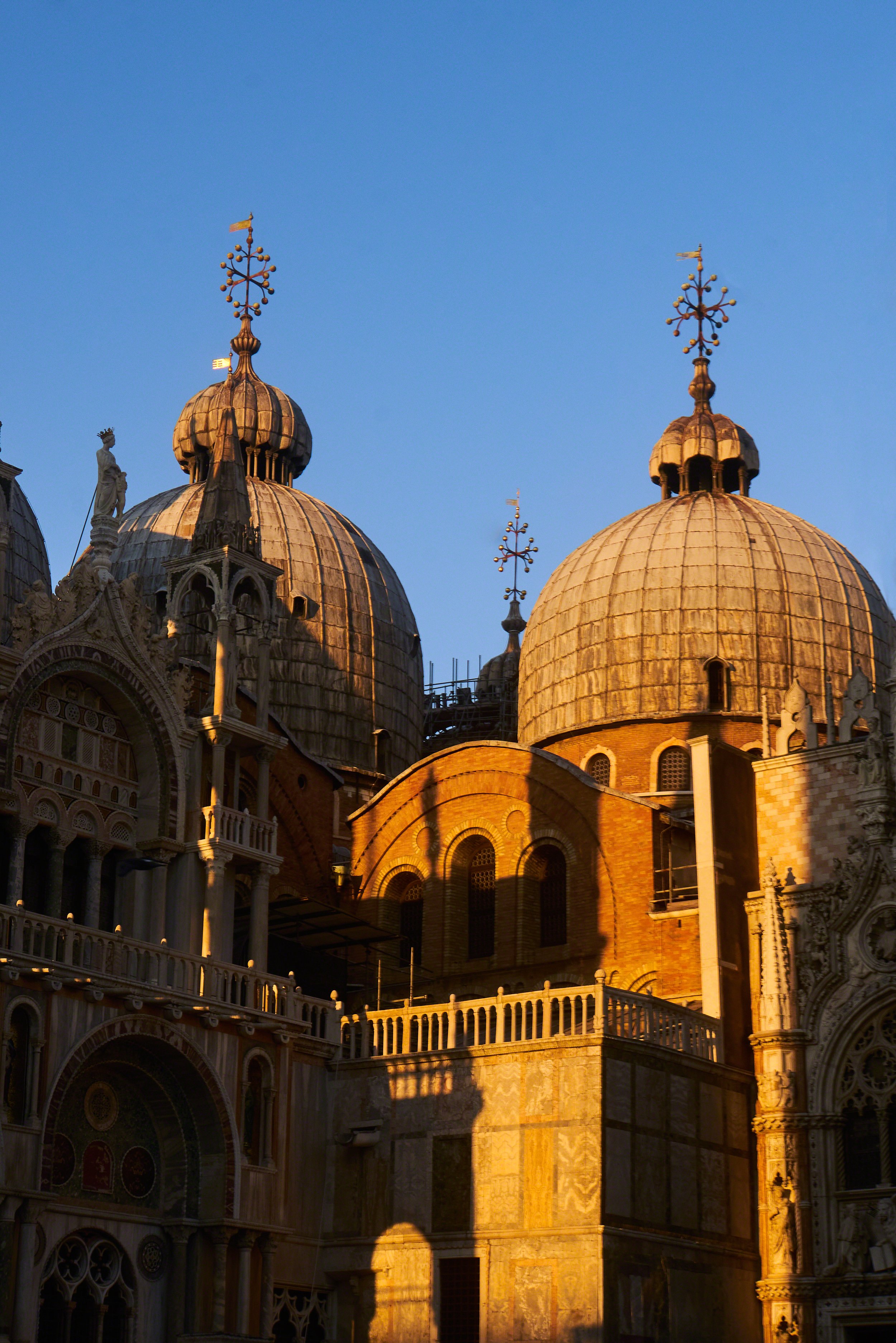
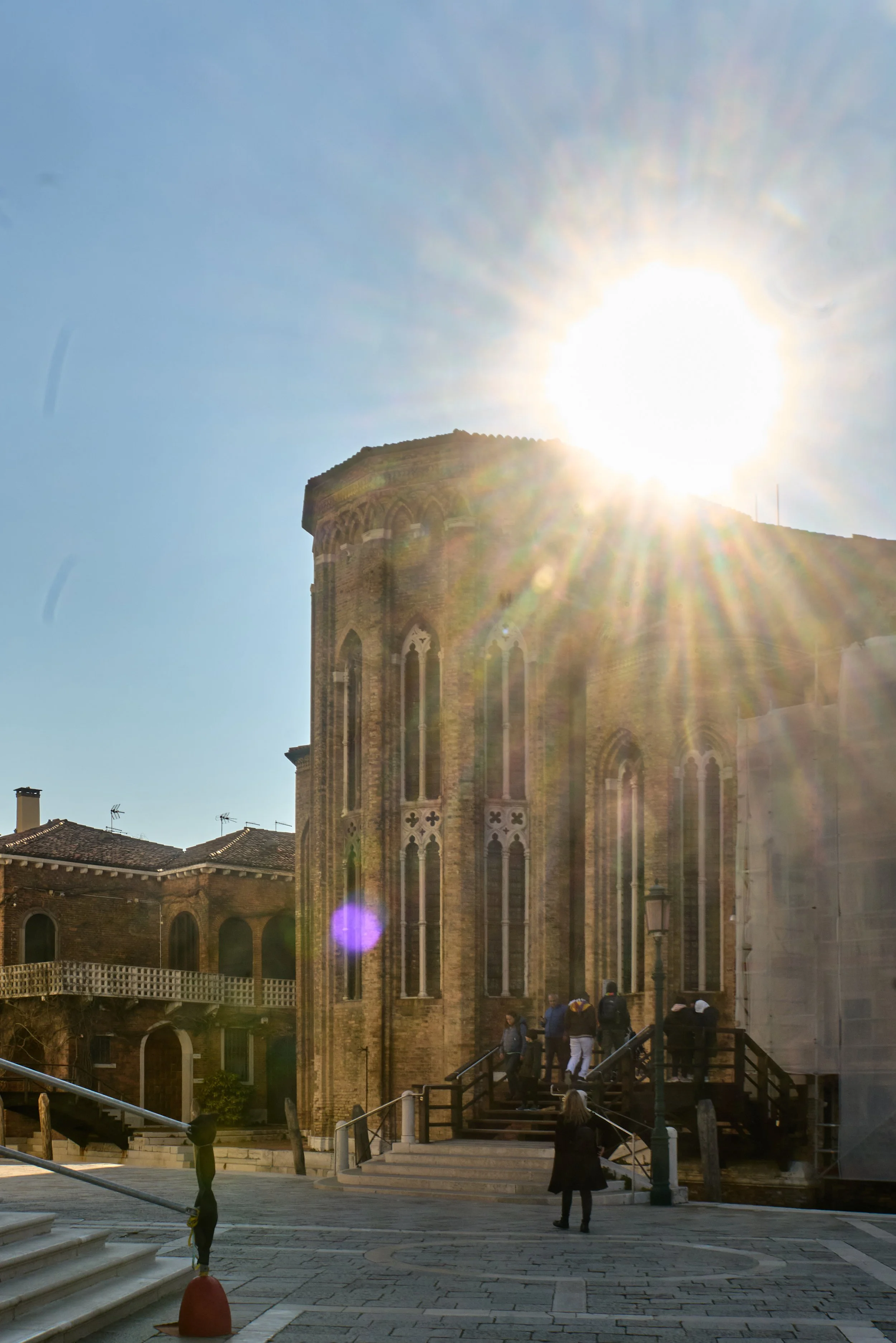
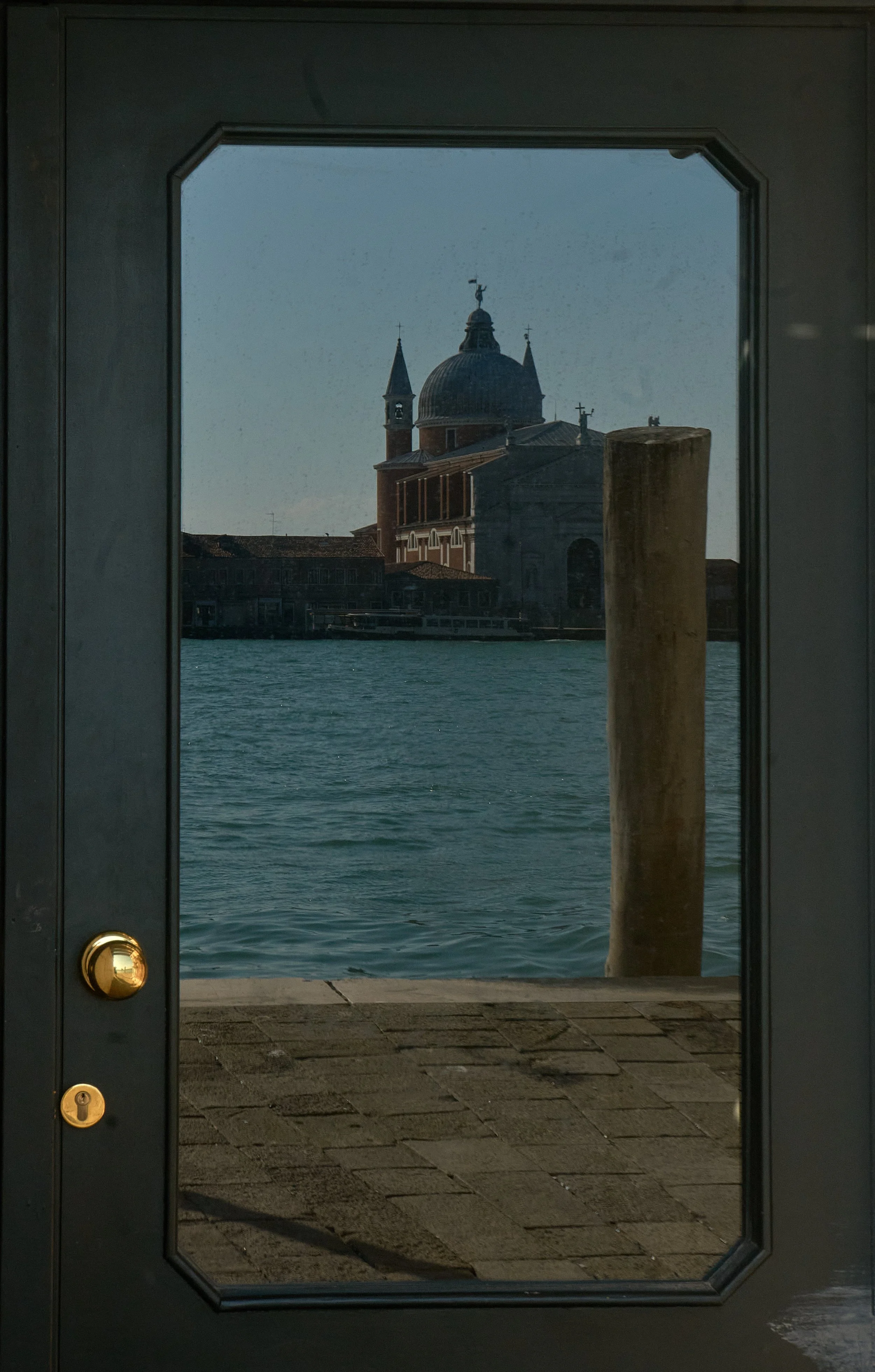
The smell of the water, the movement of people, the buildings rising from the lagoon. Everything seemed to reach me at once.
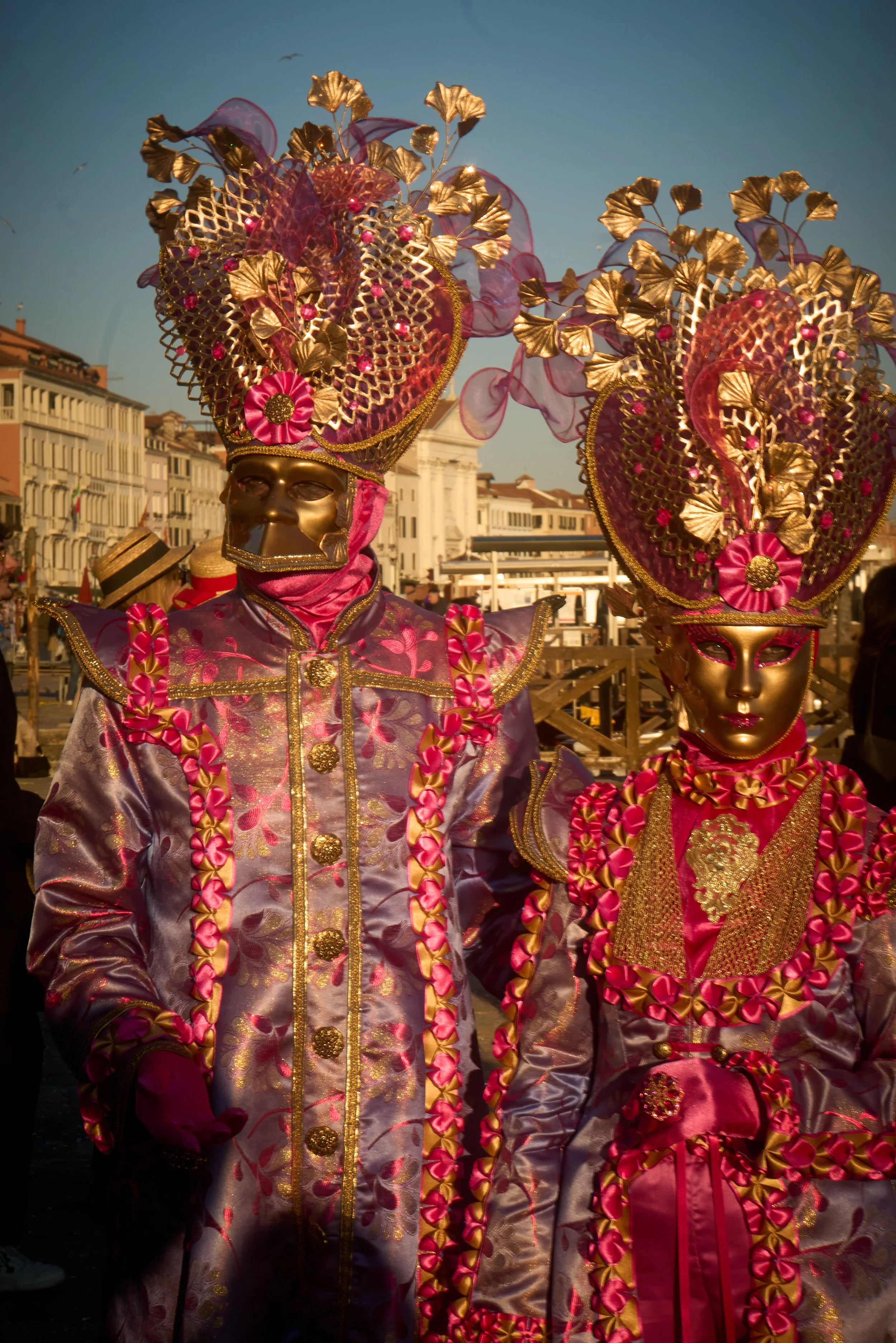
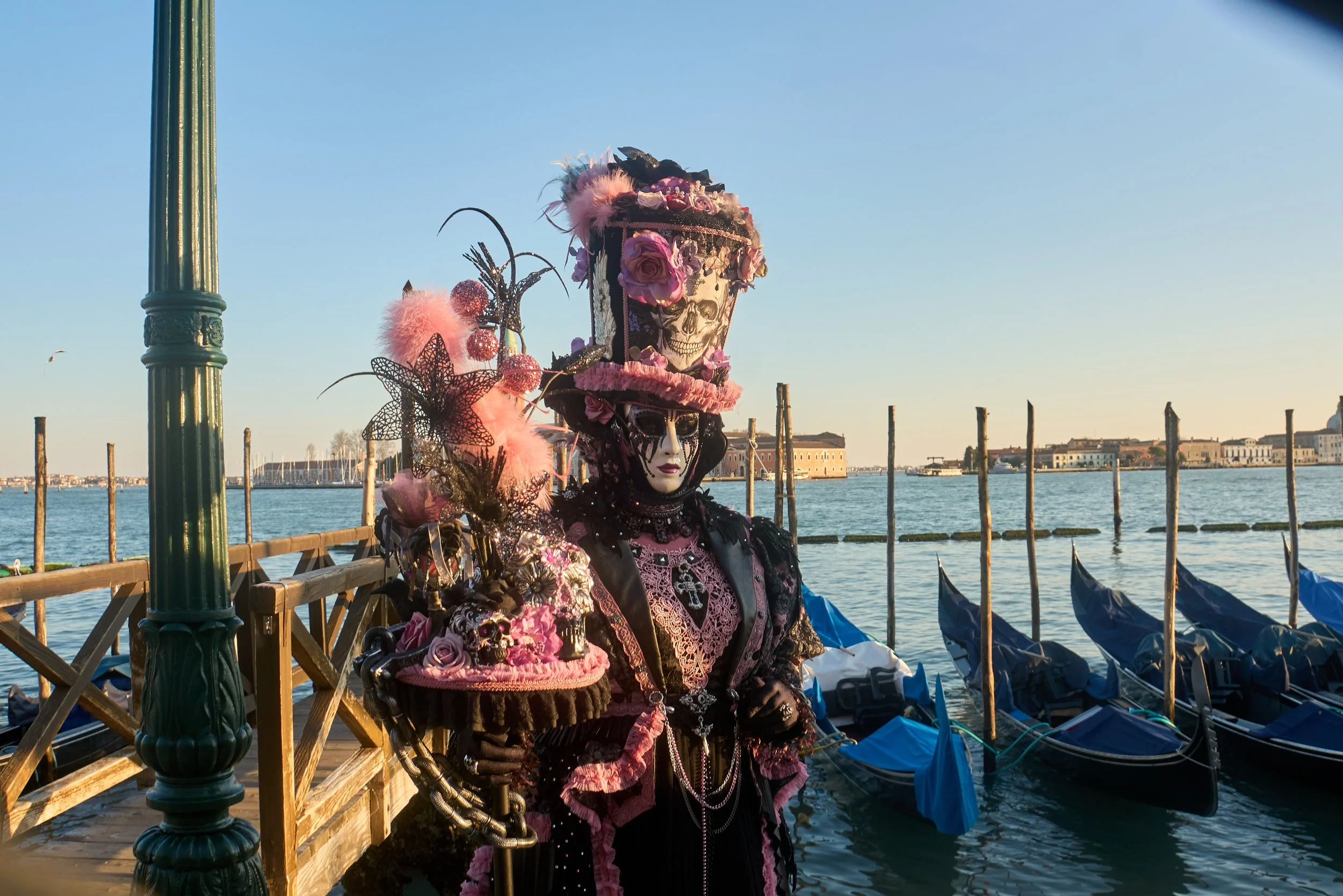
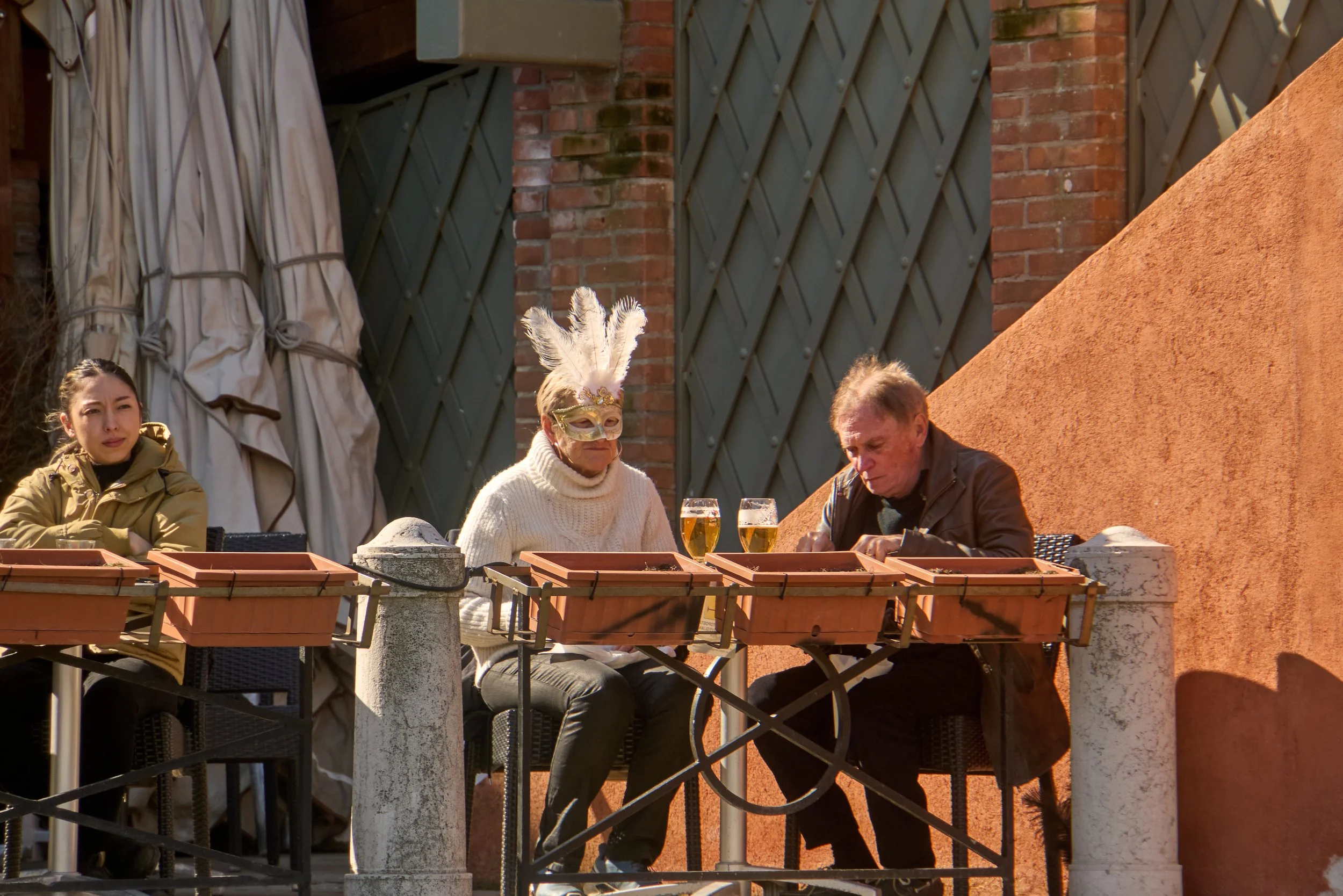
On our way to the hotel, we crossed paths with people wearing Carnival masks.
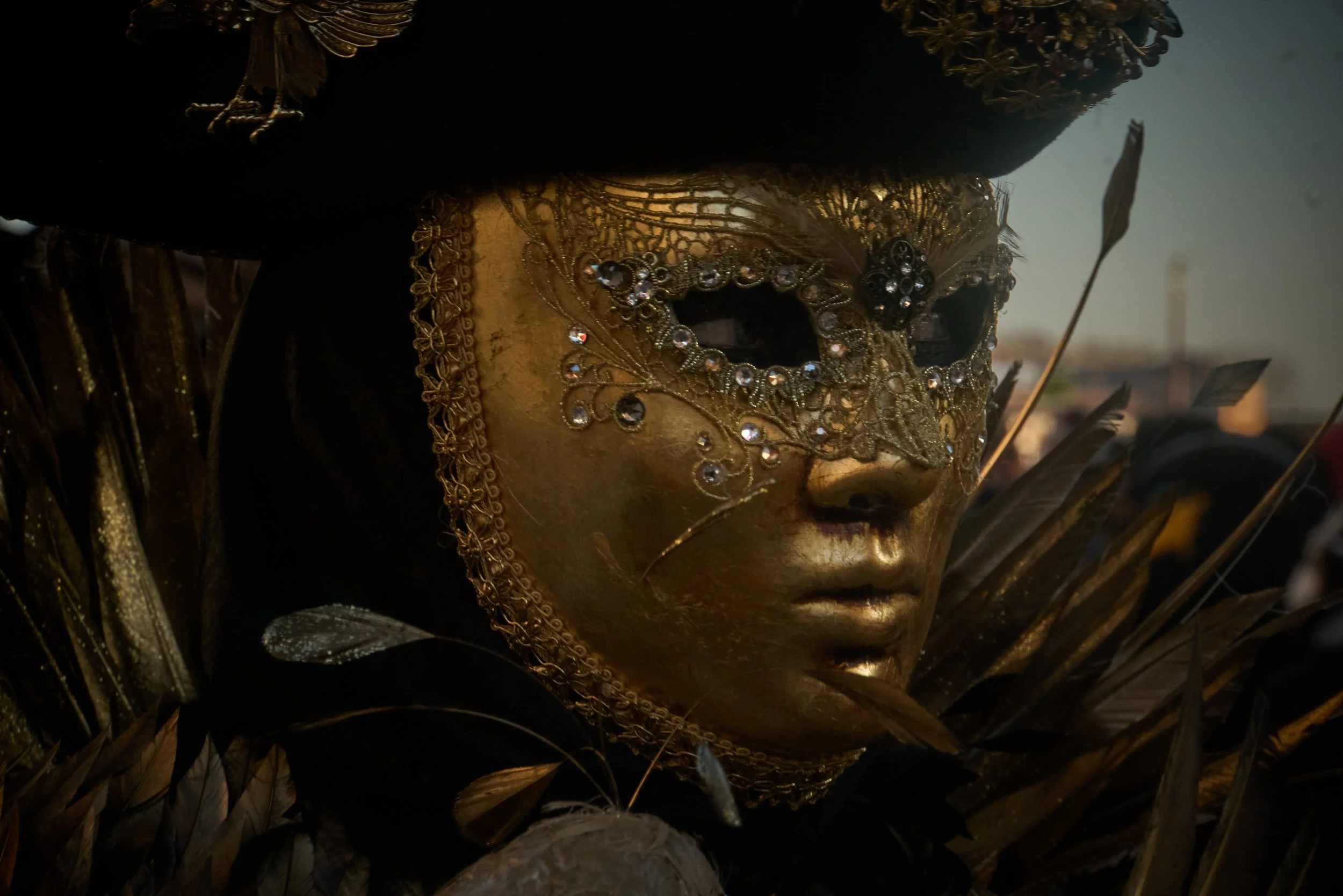
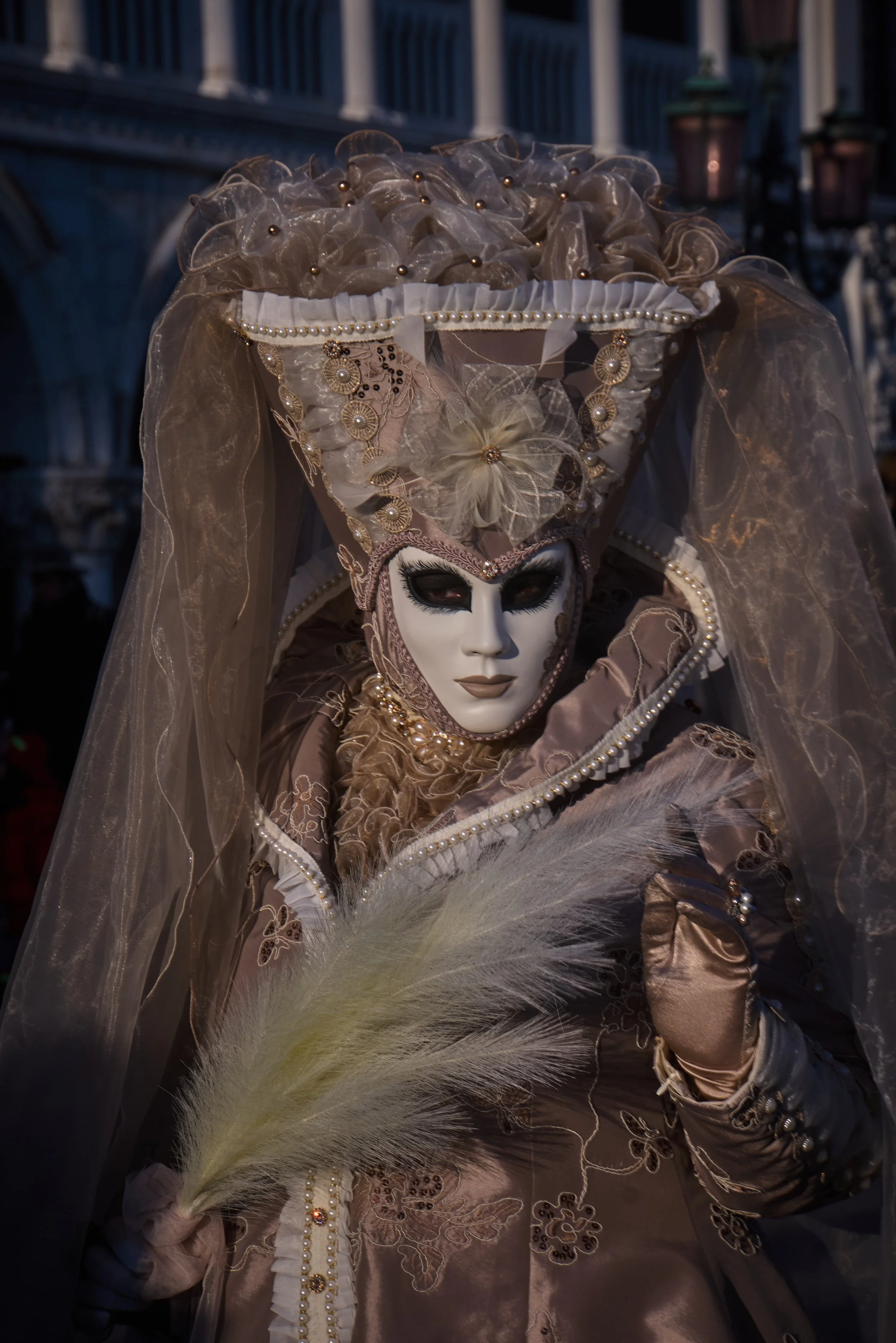
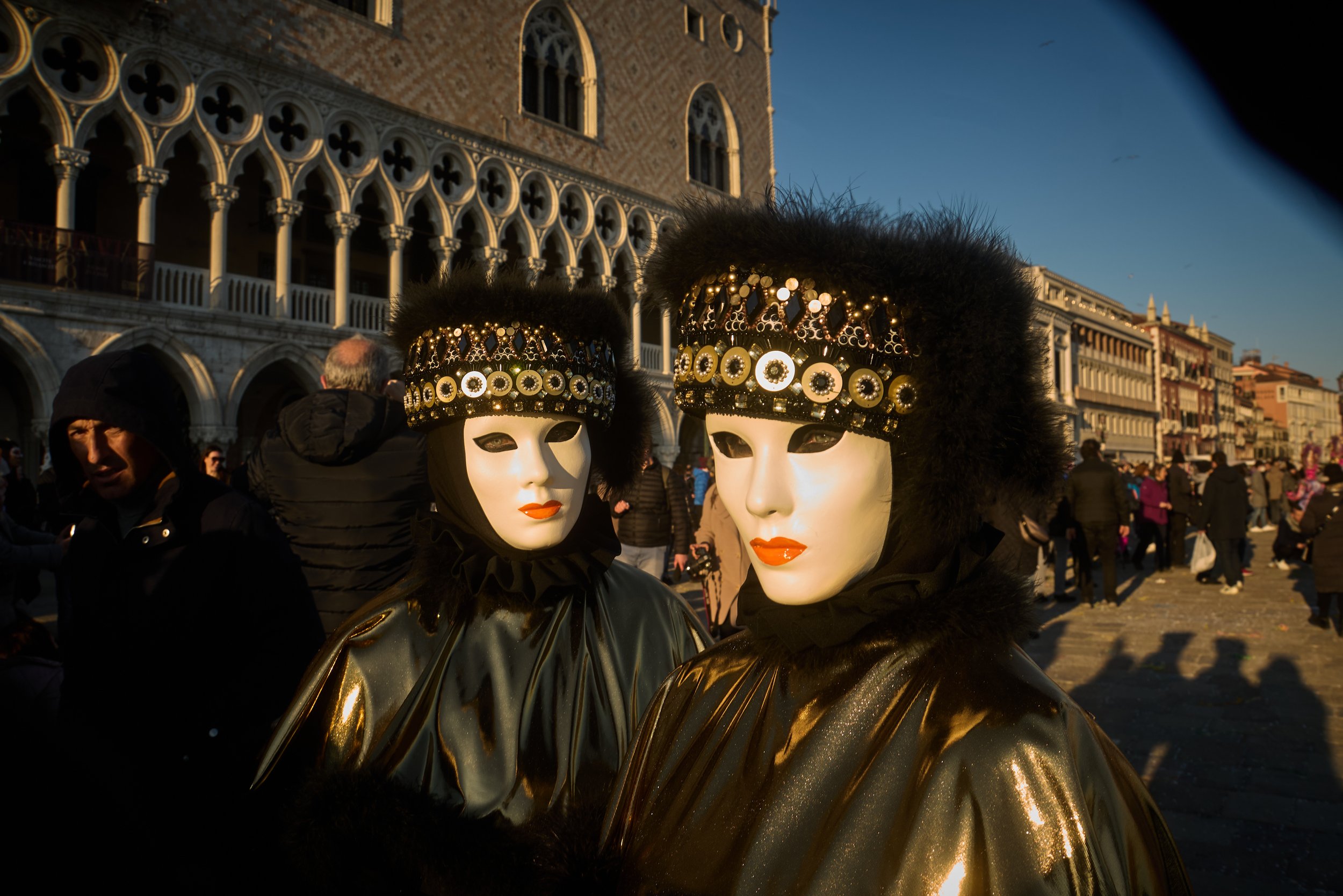
What struck me was not simply the beauty of their costumes. There was something unexpectedly tender about them, something that seemed to belong to another century and yet was standing there, in front of me, entirely alive.
After settling into the hotel, I picked up my camera, and we went walking.
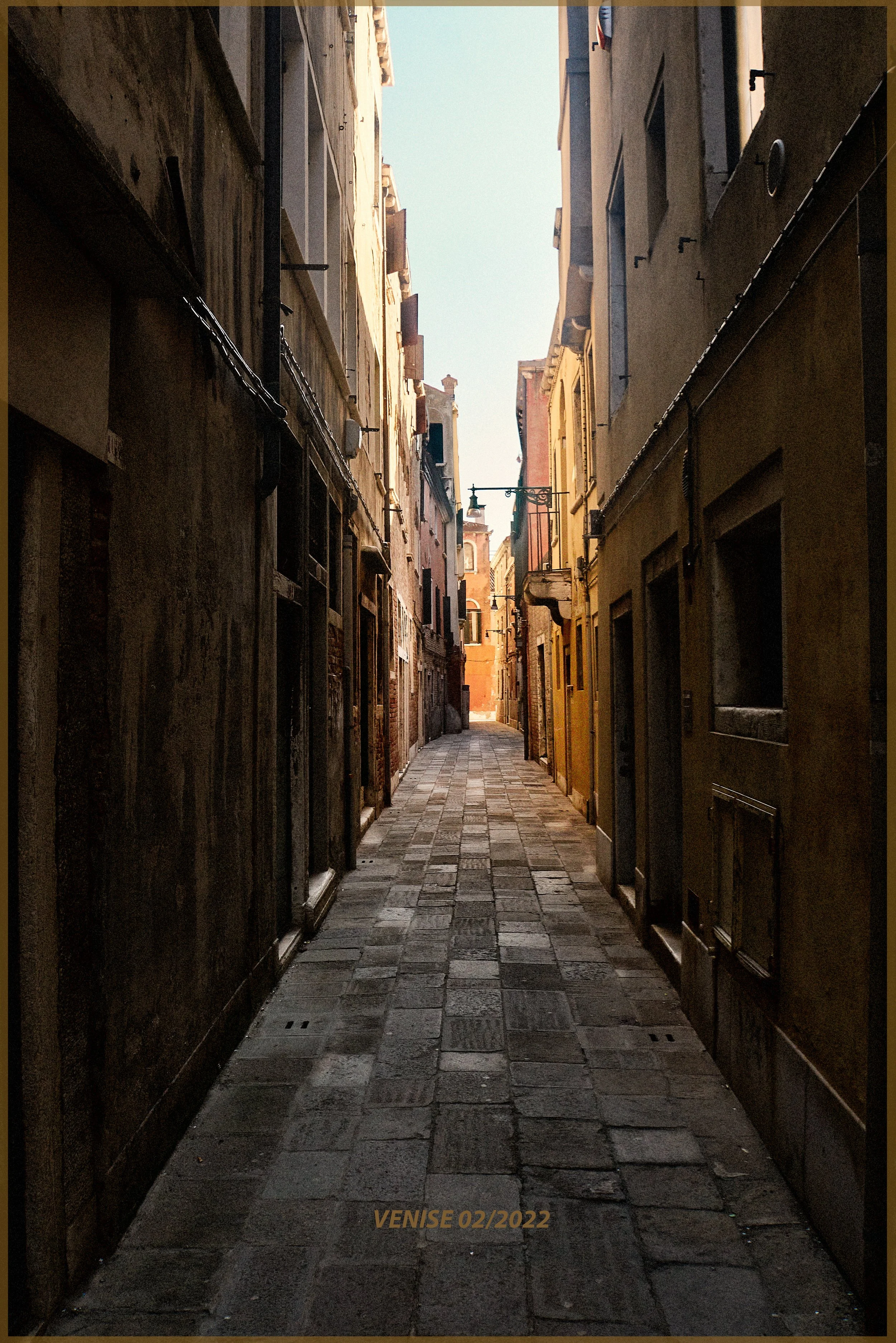
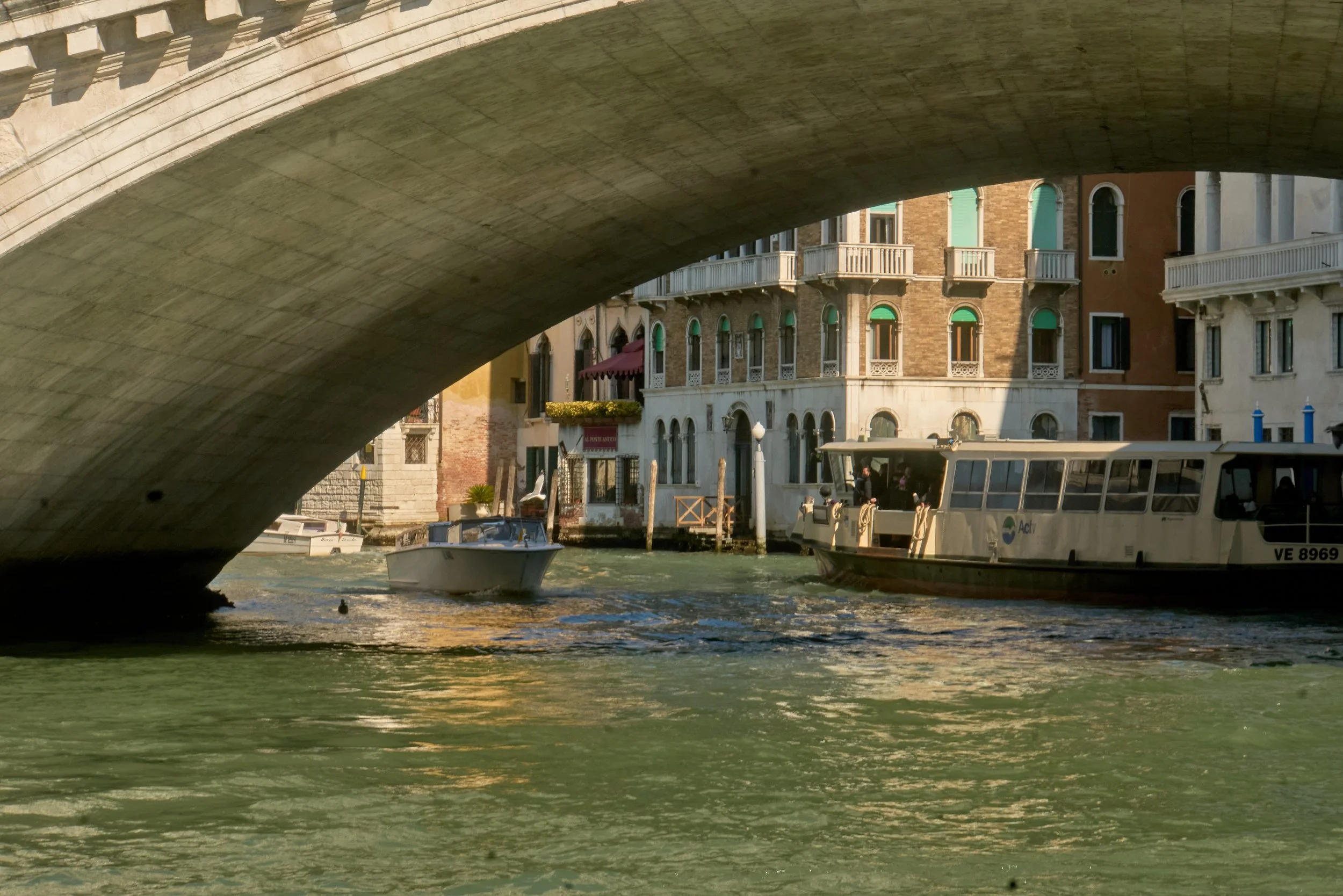
For the next two days we wandered through Venice, crossed bridges, travelled by boat, and enjoyed small restaurants where pasta was prepared by hand.
Yet when I think back to that first Carnival, it is the masks that return to me most strongly.
Venice Before the Masks
Listen to Chapter I · Narrated by Vanessa Fennel
The First Apparitions
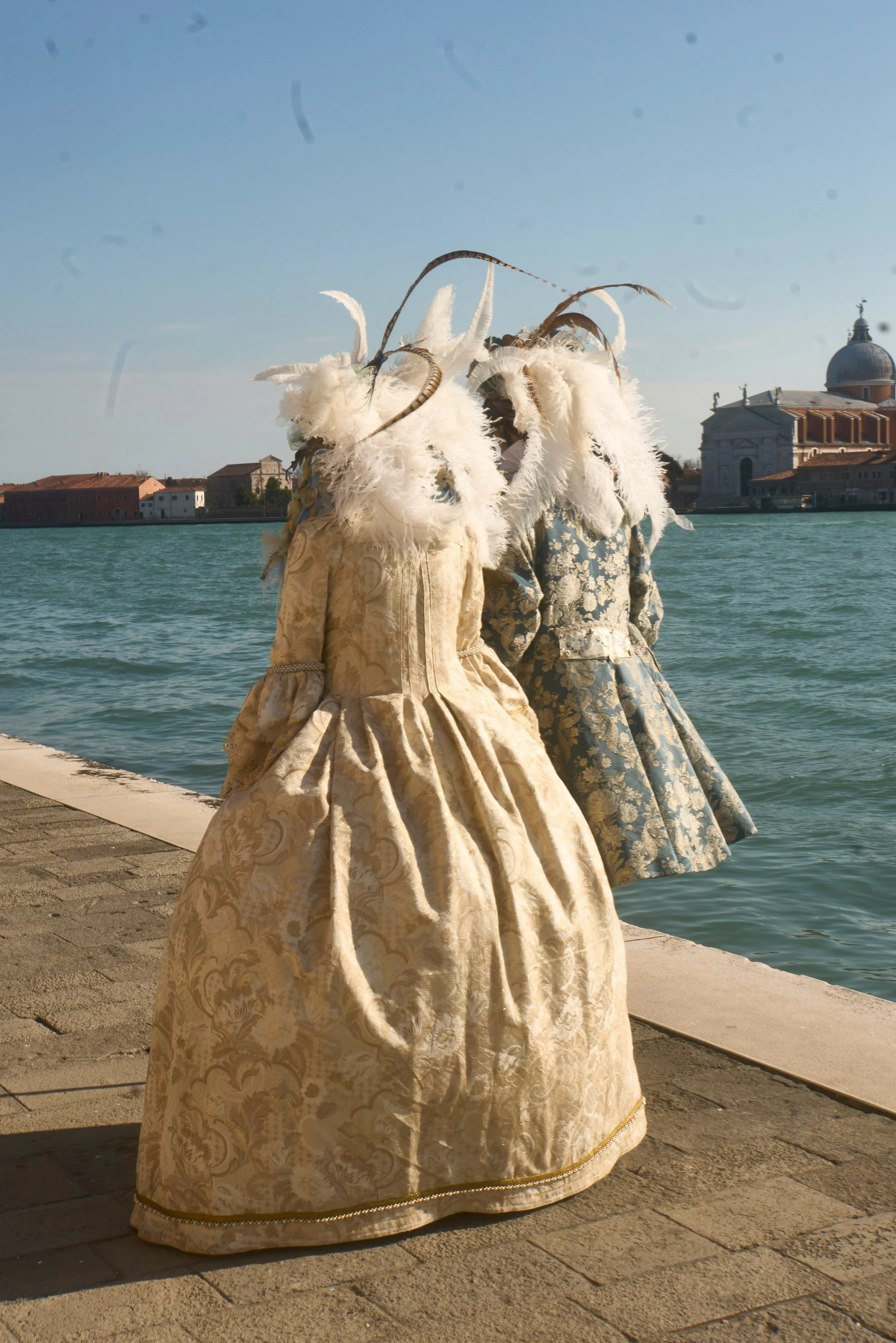
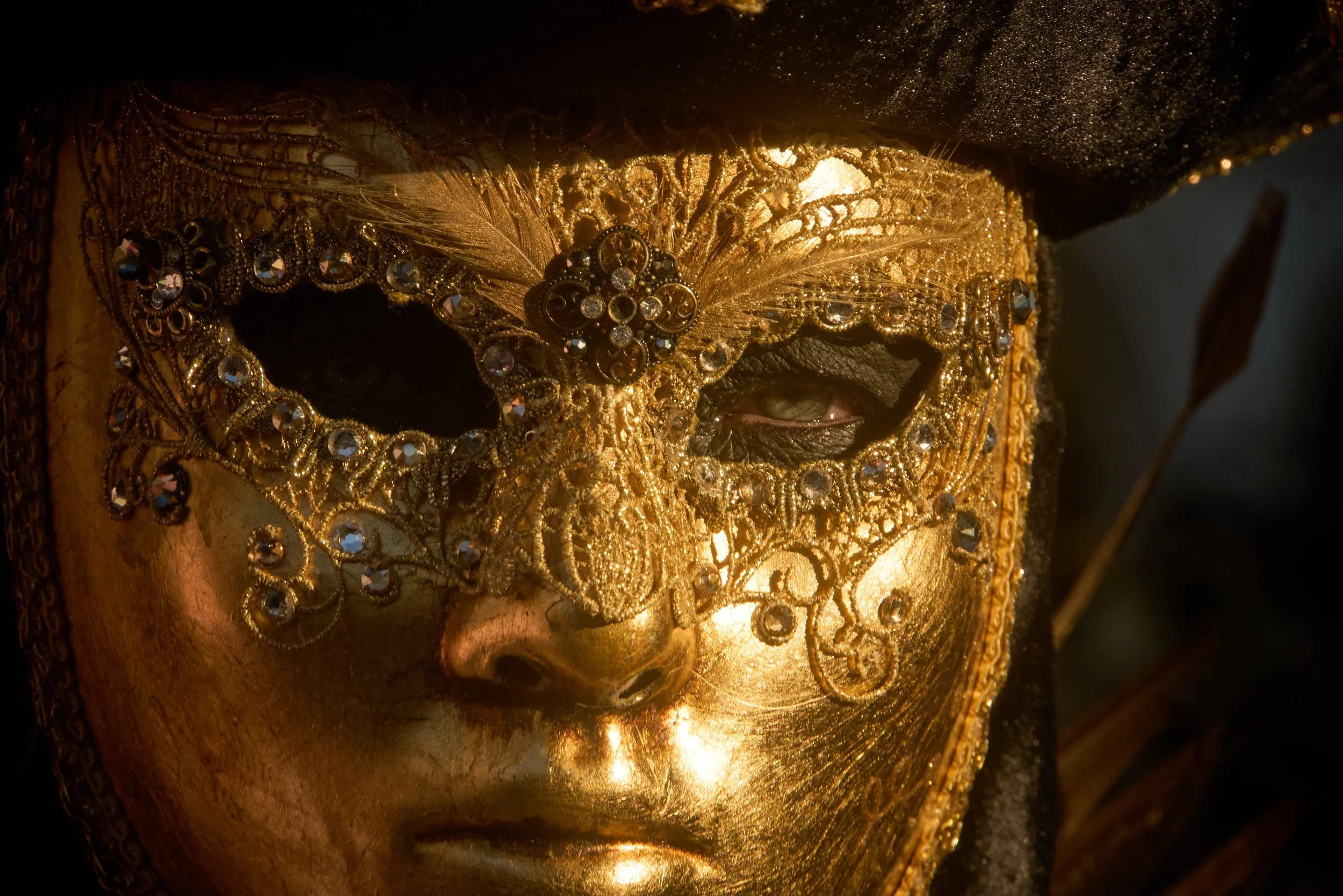
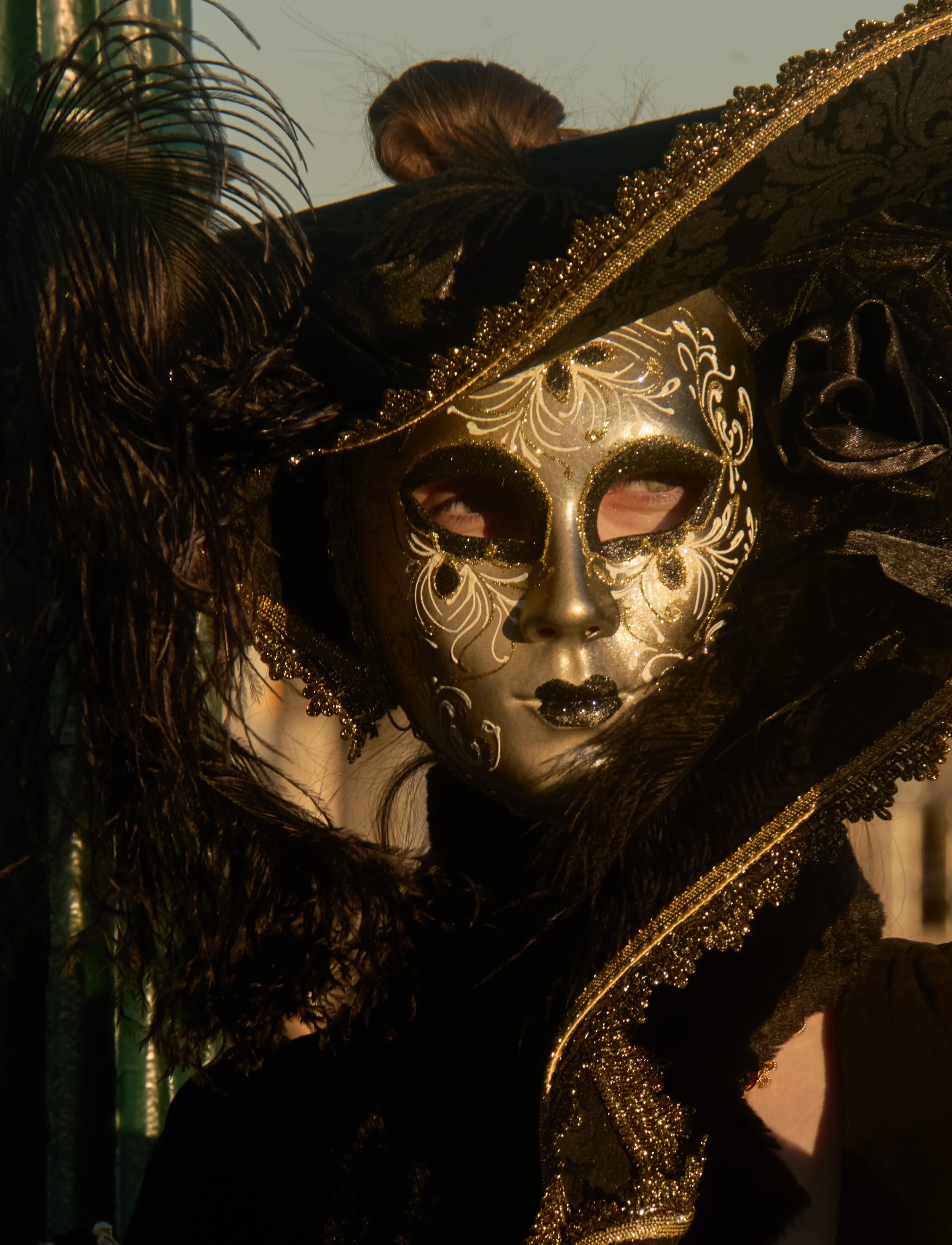
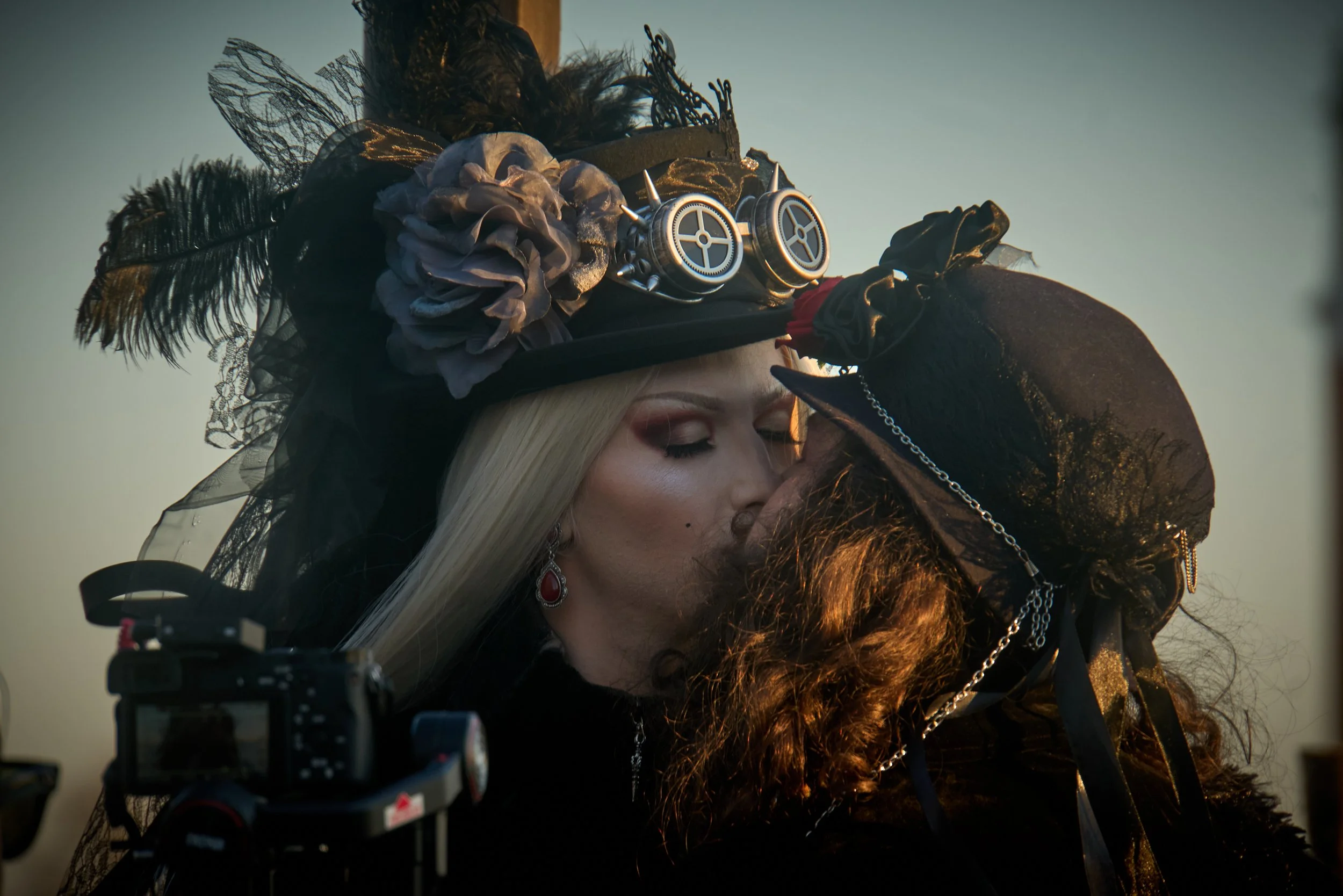
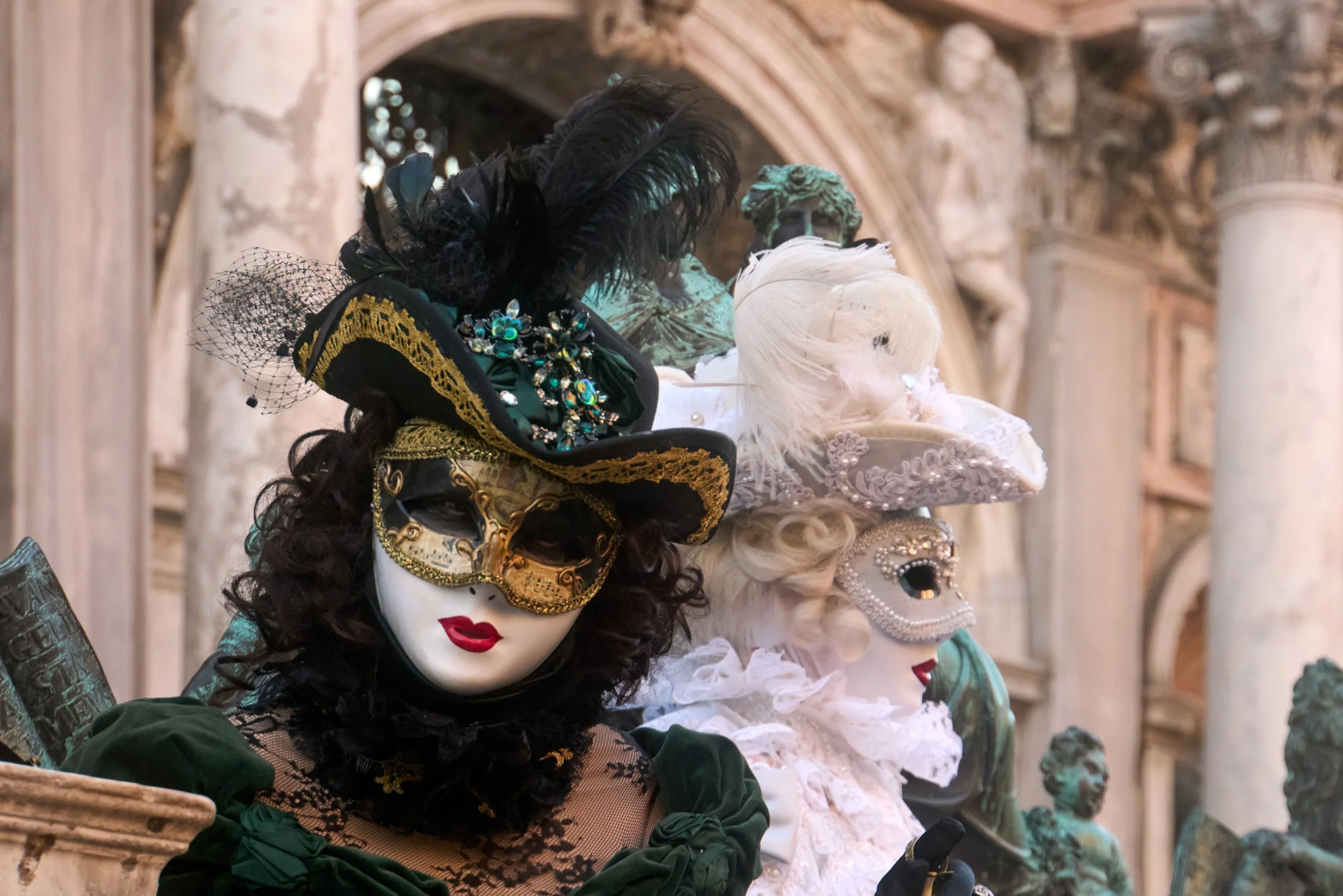
What fascinated me was the care with which these figures had been imagined. Each costume seemed to belong to a world of its own, shaped by patience, imagination, and an extraordinary attention to detail.
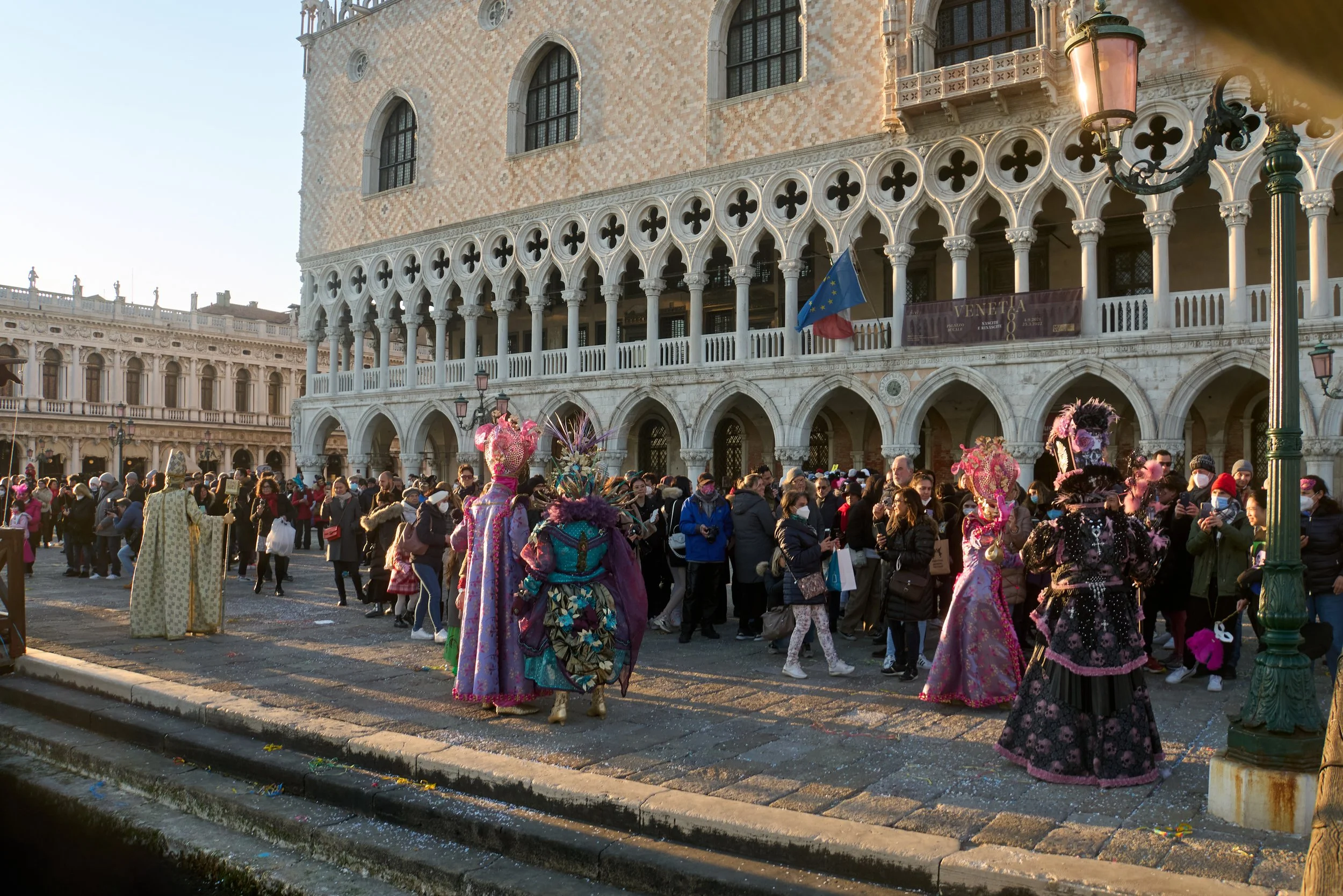
As I watched them, I became aware of the delicate boundary between theatre and everyday life. The people beneath the costumes remained strangers, yet their creations invited us into another world.
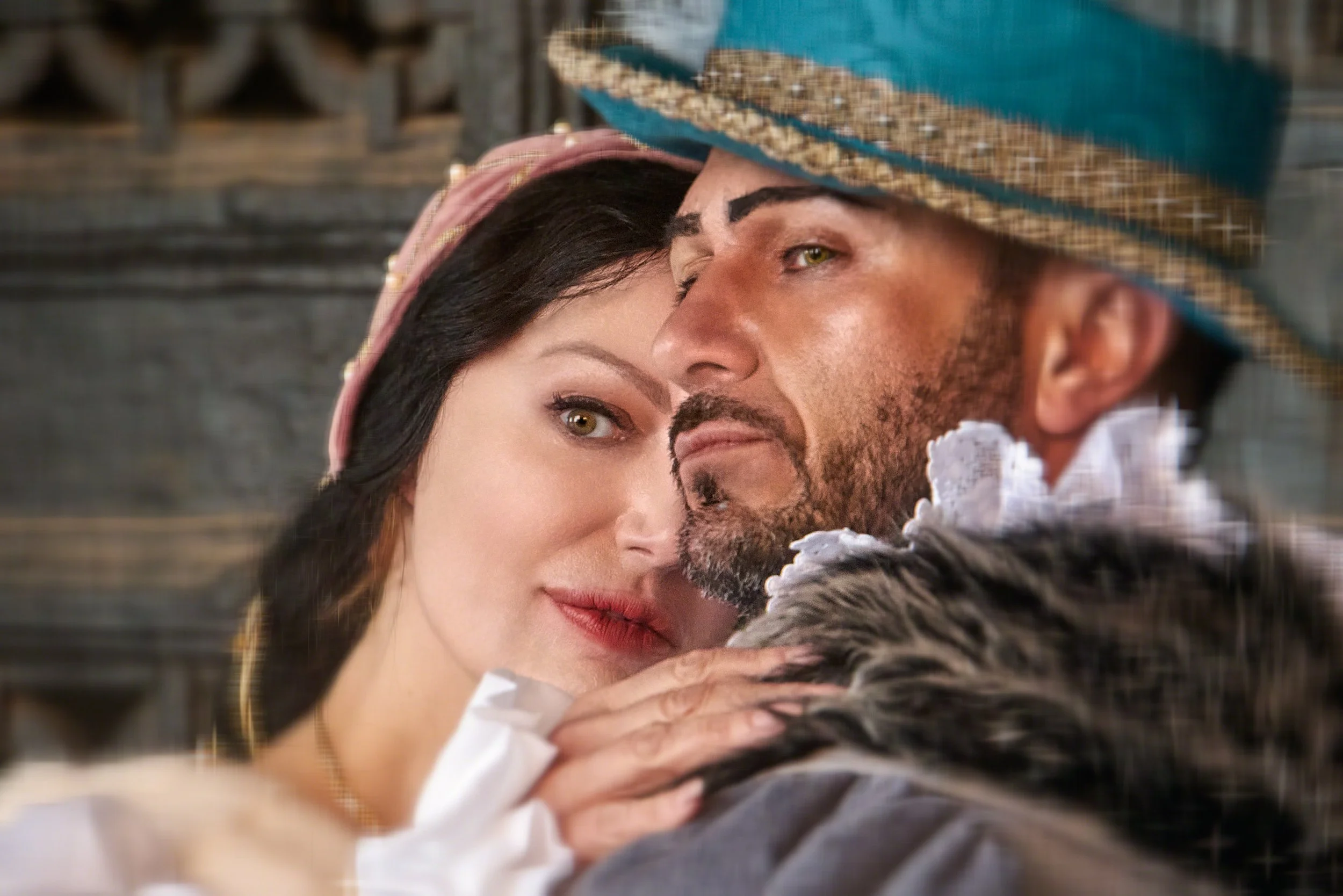
There was beauty in the spectacle, certainly. But there was also something quieter, almost intimate, in the willingness to inhabit a dream and share it with others.
Listen to Chapter II · Narrated by Vanessa Fennel
The Face Behind the Mask
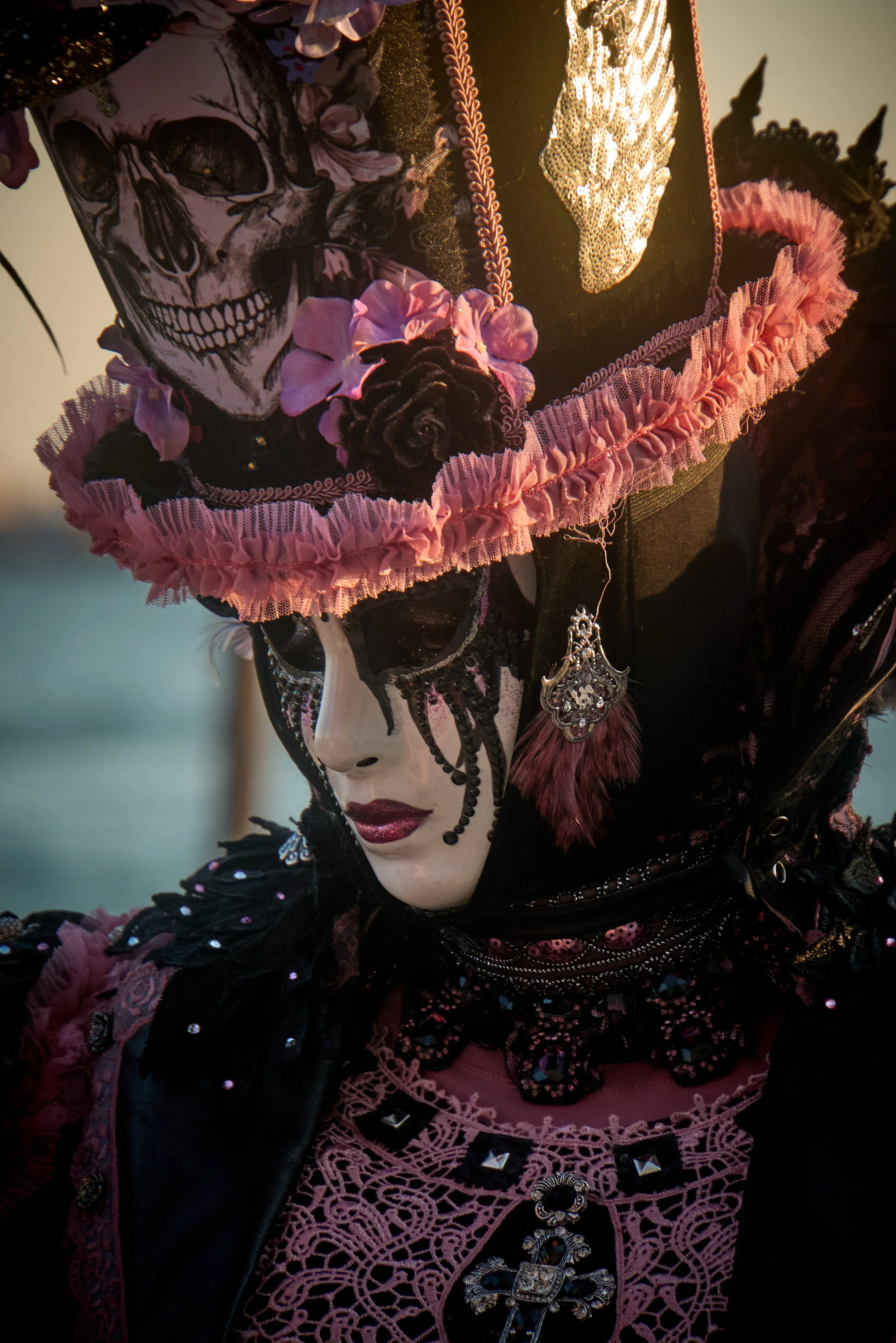
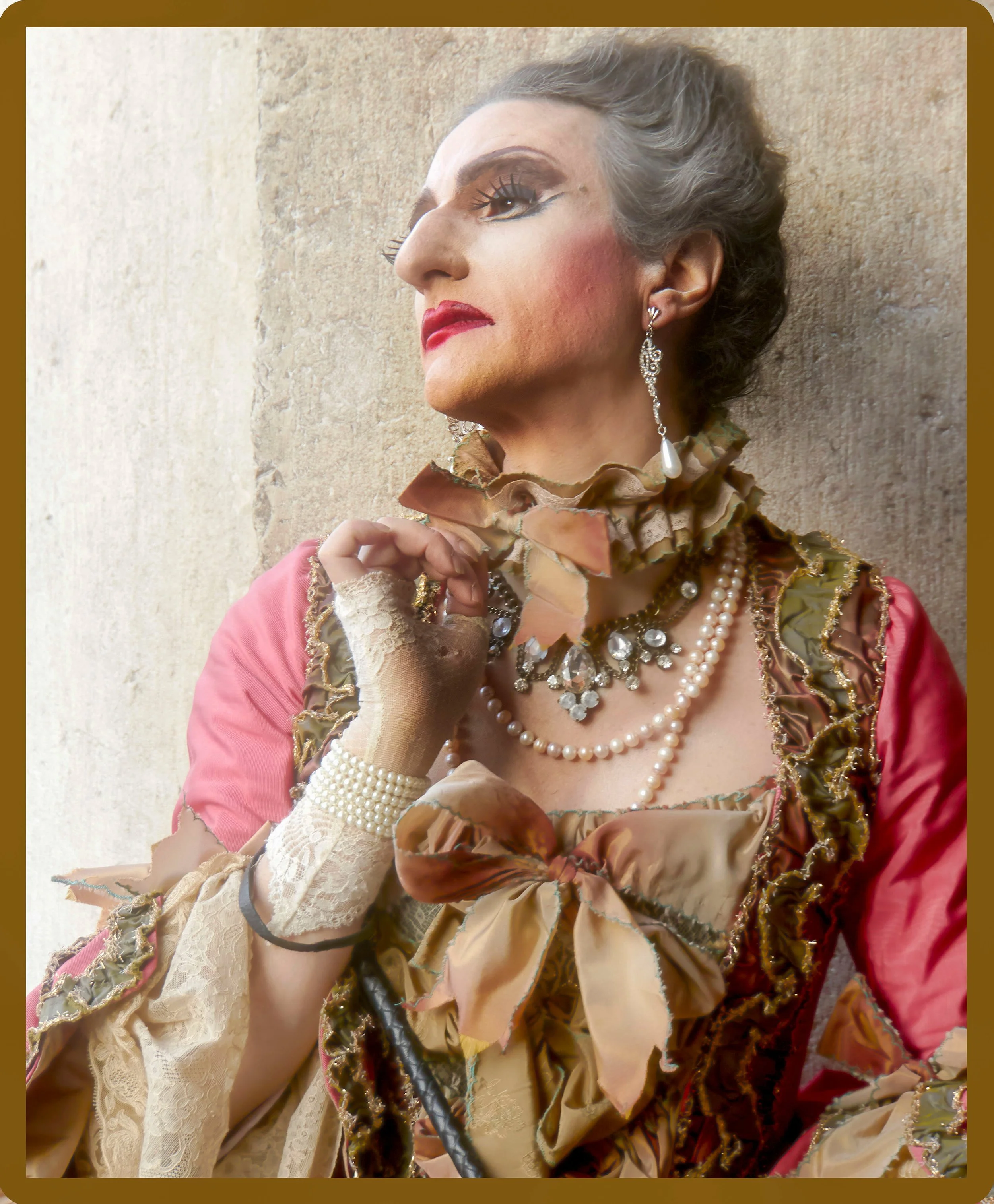
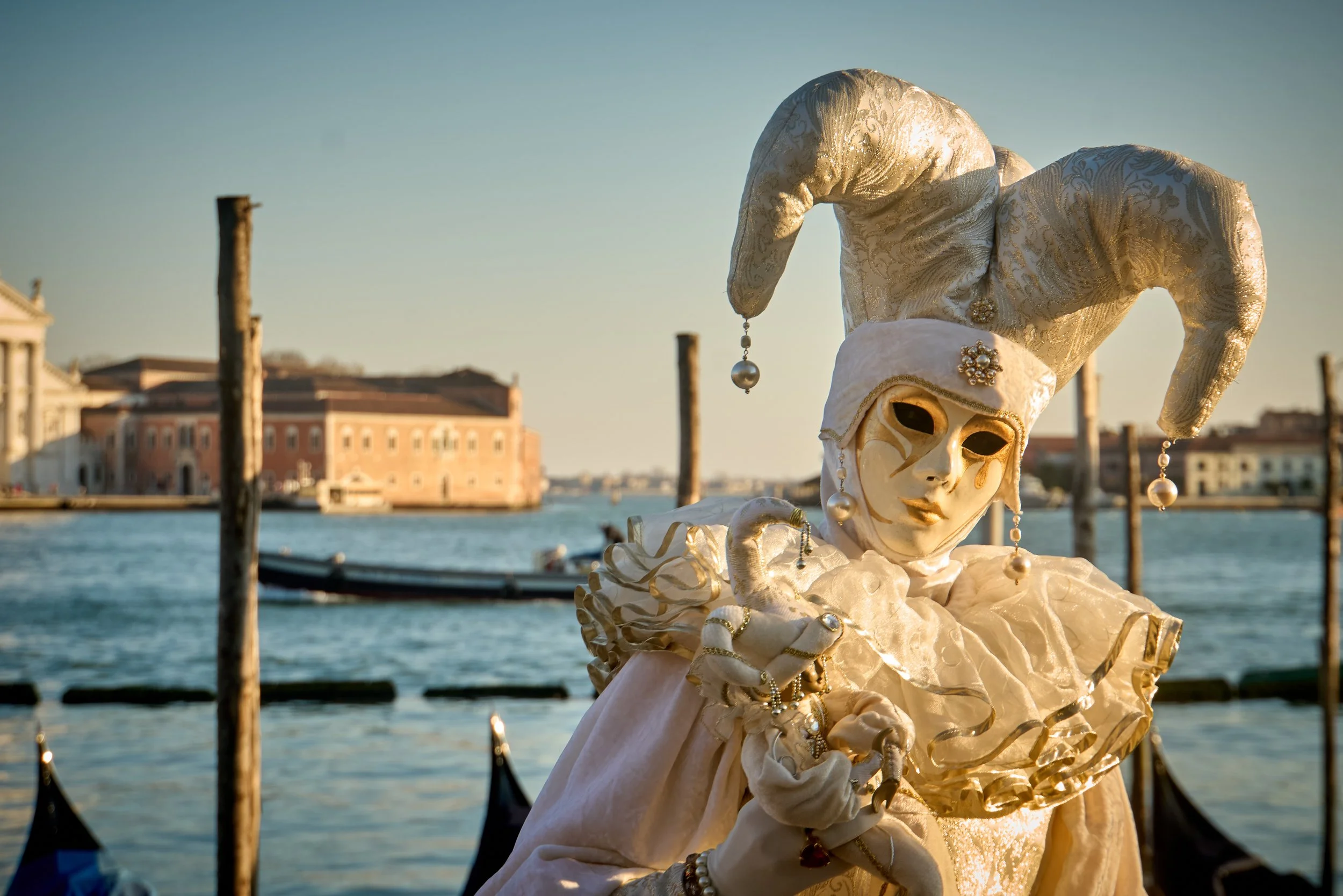
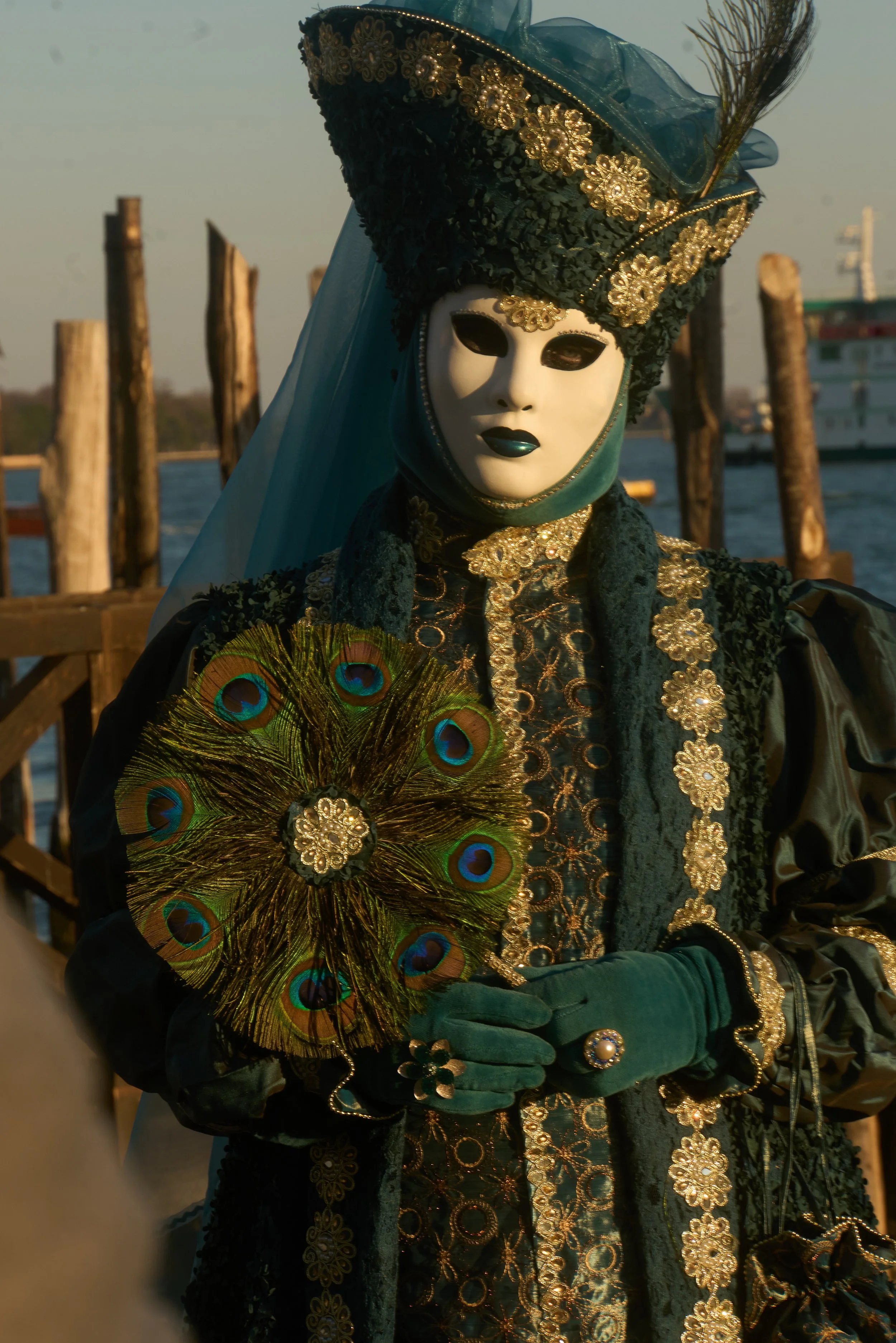
A mask can remain astonishingly young. Its surface may be smooth, delicate, almost untouched by the years.
Behind it is a human face that has lived. A face marked by laughter perhaps, by disappointments, by love, by loss, by everything that happens to us as time passes.
An elderly man may stand behind the face of someone who seems never to have aged.
We cannot know his story. We cannot know what he carries with him.
And this is where I find the melancholy of Carnival: the mask offers an image untouched by time, while the person wearing it continues to live within time.
Both exist together, separated by the thinnest of surfaces.
Listen to Chapter III · Narrated by Vanessa Fennel
The Theatre of Encounters
I began noticing how a person could change when someone stopped to admire them.
A body that seemed a little tired would become more upright. A shoulder would settle differently. The head would lift.
Perhaps it was pride in the costume. Perhaps the pleasure of recognition. Perhaps simply the joy of taking part in something beautiful.
I could not know.
But I could see the transformation.
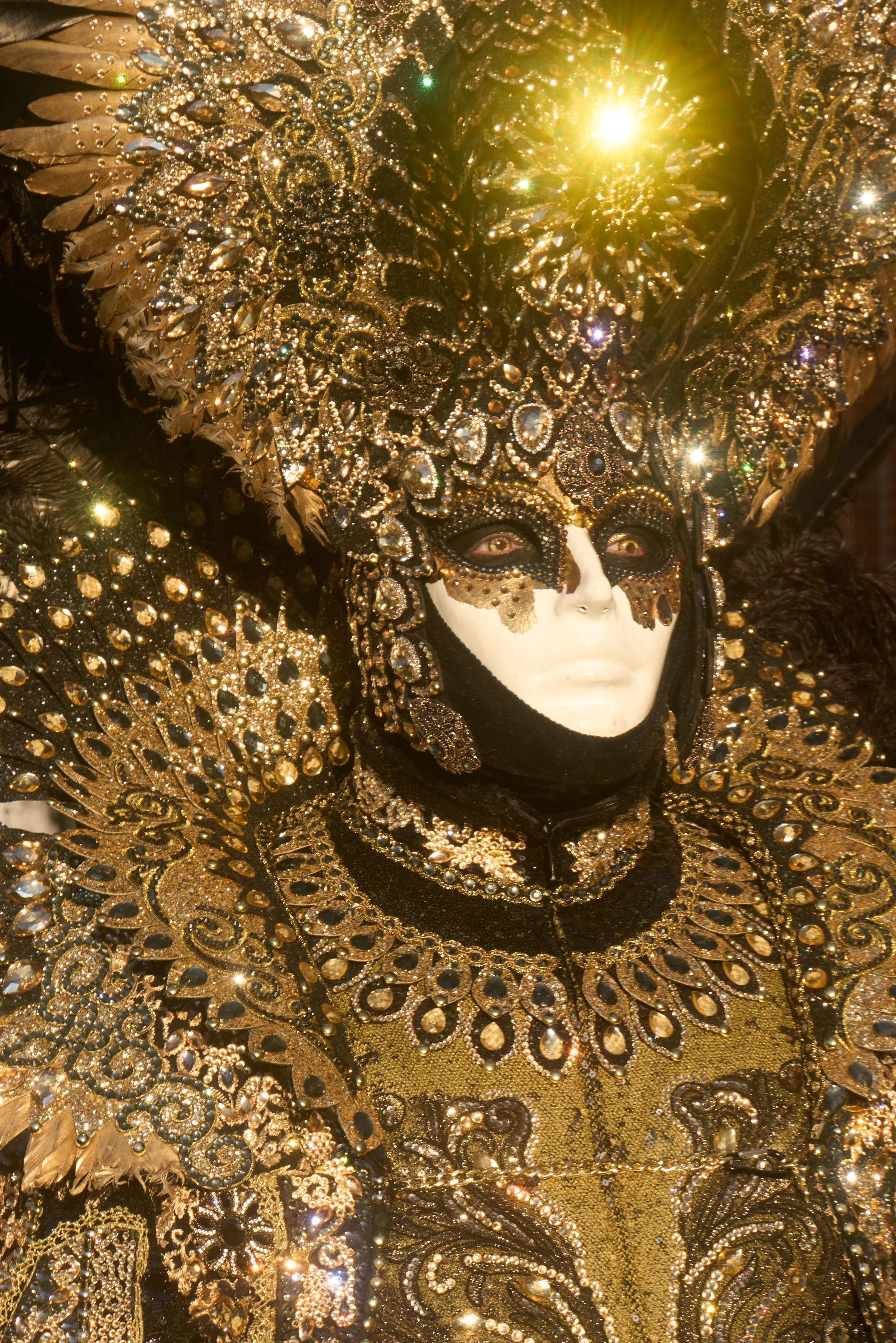
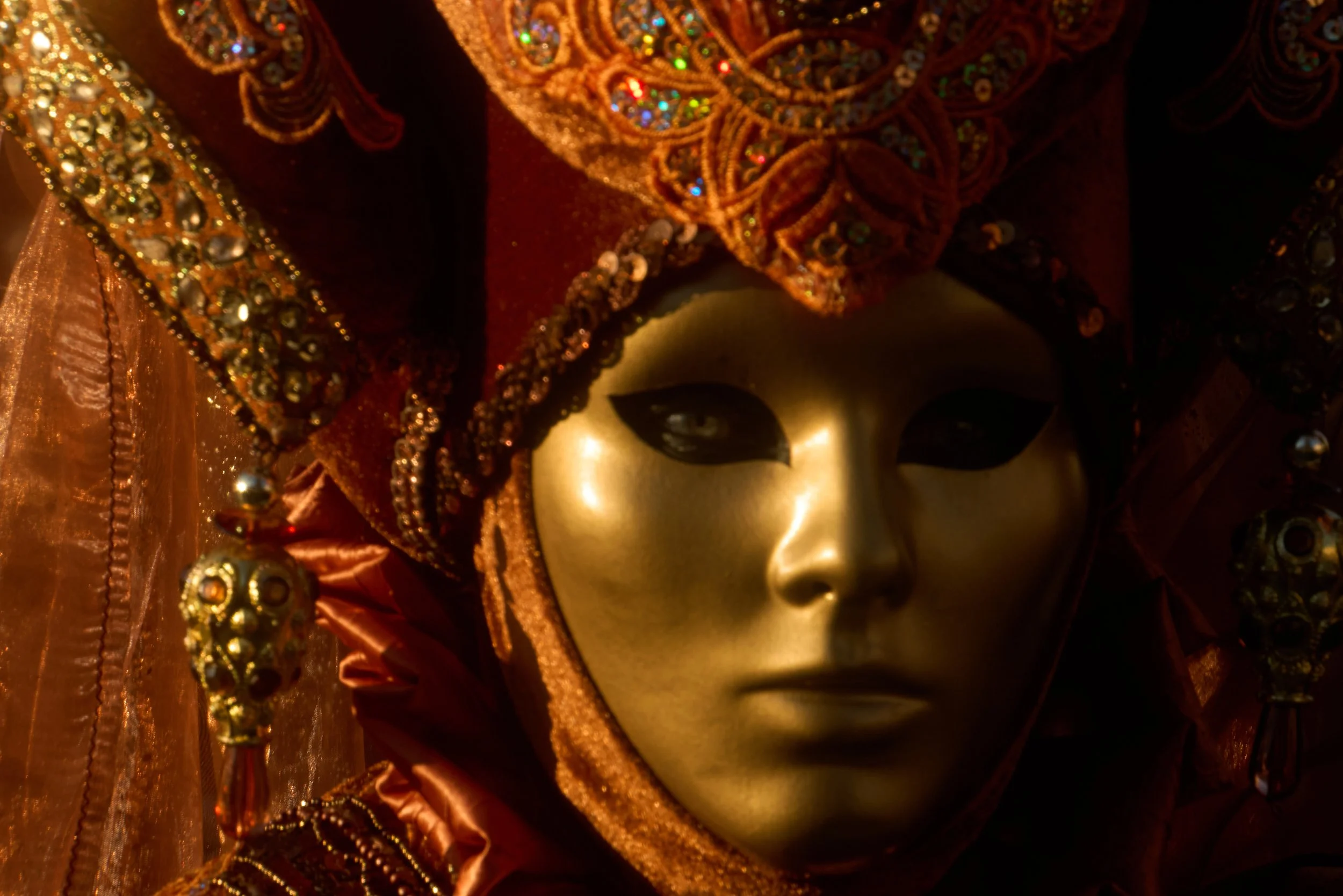
Some of these costumes are the result of months of imagination, patient work and considerable investment. They are not merely clothes worn for an afternoon.
They are worlds that people create for themselves.
And when another person stops and looks, that imagined world becomes visible.
Listen to Chapter IV · Narrated by Vanessa Fennel
Colour, Movement and Return
I wonder whether this is part of what draws me so strongly to Venetian Carnival.
Not necessarily the desire to become younger, or even to become someone else.
But the possibility of stepping, briefly, outside the familiar passage of time.
Behind those elaborate masks, every human life continues with its private history. Nothing has actually disappeared. Not age, not memory, not sorrow.
Yet for a few hours, another version of existence becomes possible.
A person can be mysterious again. They can inhabit a world created entirely by their imagination.
Listen to Chapter V · Narrated by Vanessa Fennel