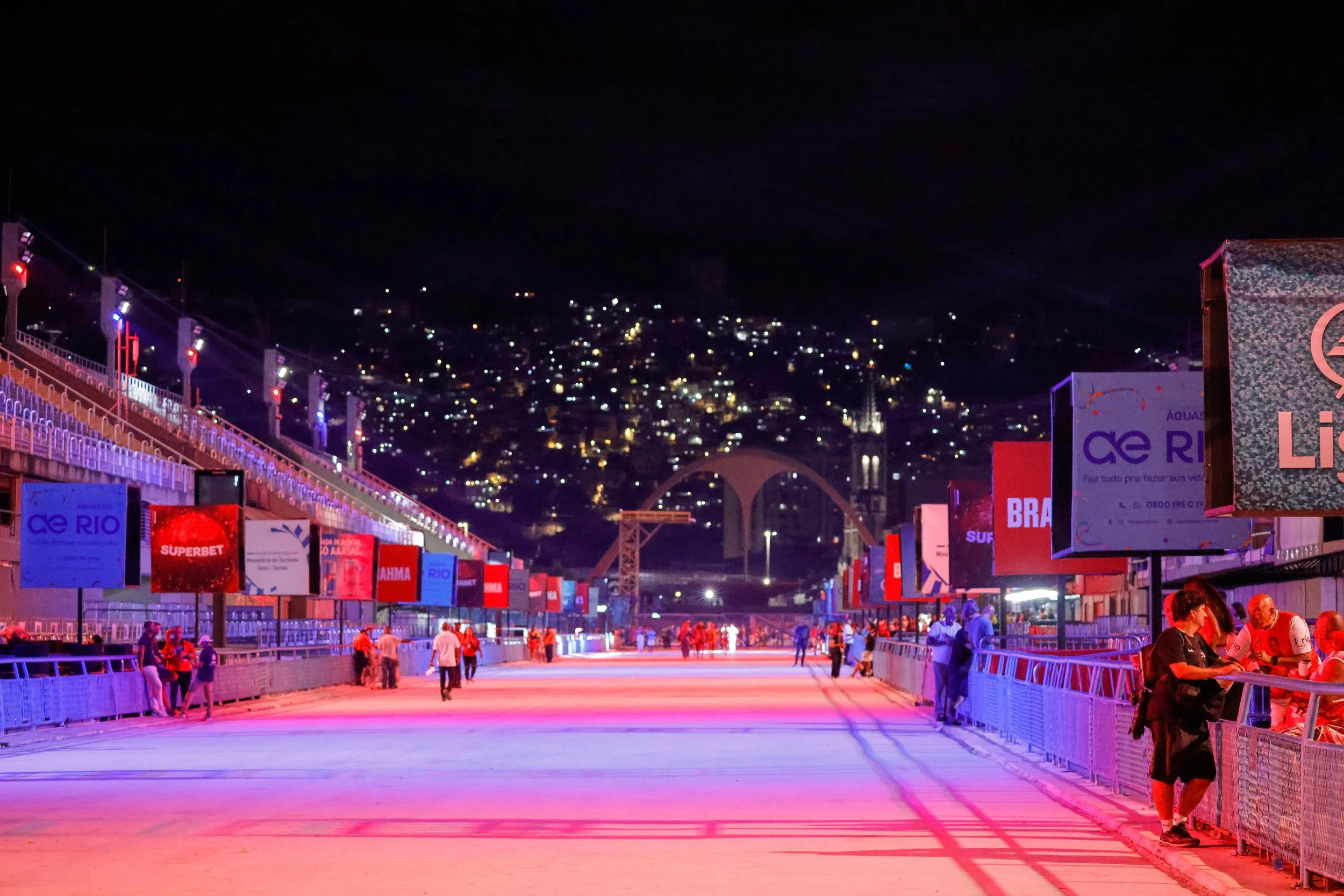
RIO DE JANEIRO
WHERE CARNIVAL TAKES FORM
In Rio de Janeiro, this language took form through samba schools.
They are not only places of performance. They are communities, workshops, families, archives of neighborhood pride and collective discipline. Behind the parade, there are hands sewing, bodies rehearsing, elders remembering, children watching, and entire communities preparing one night as if preparing a dream.
I do not enter Carnival here only as spectacle.
I enter it through encounters: faces, costumes, tired eyes, pride, music, waiting, devotion, and the invisible work that allows a procession to appear before the world. This is where Carnival becomes memory, work and procession.
Carnival in Brazil did not arrive as one pure story.
It came through crossings: European celebrations before Lent, Portuguese colonial customs, African rhythms carried through pain and survival, Indigenous presence, street games, faith, music, and the deep need of people to gather, move, resist and be seen.
Over time, these fragments became something no longer belonging to one origin alone.
In Brazil, Carnival became a living language. A way of transforming hardship into movement, labor into beauty, memory into rhythm, and the street into a place where the body can speak.
CARNIVAL AS MEMORY, WORK AND PROCESSION
RIO DE JANEIRO | SAMBA SCHOOLS
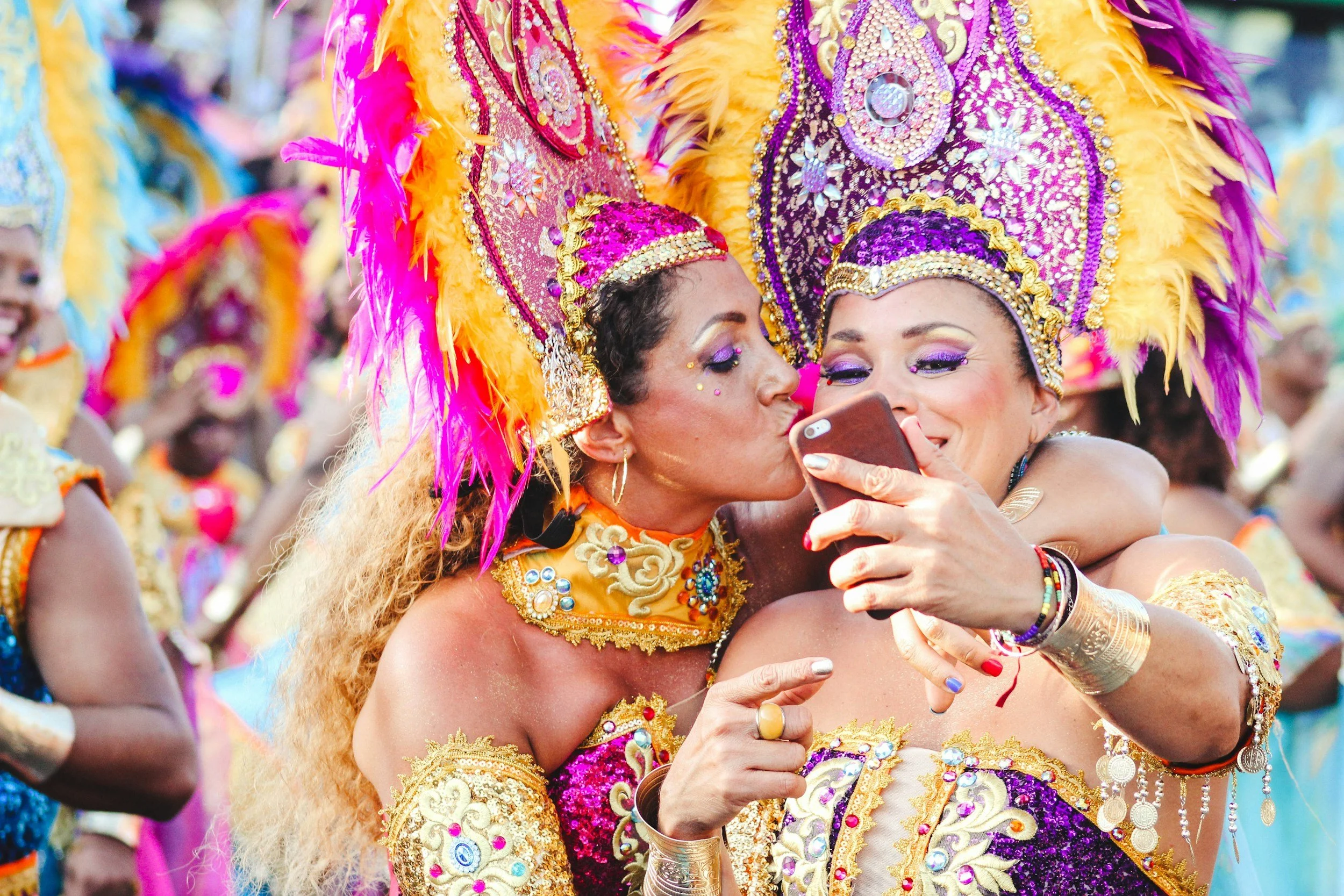
A chapter of rehearsals, rhythm, discipline, and presence within Rio’s samba school world.
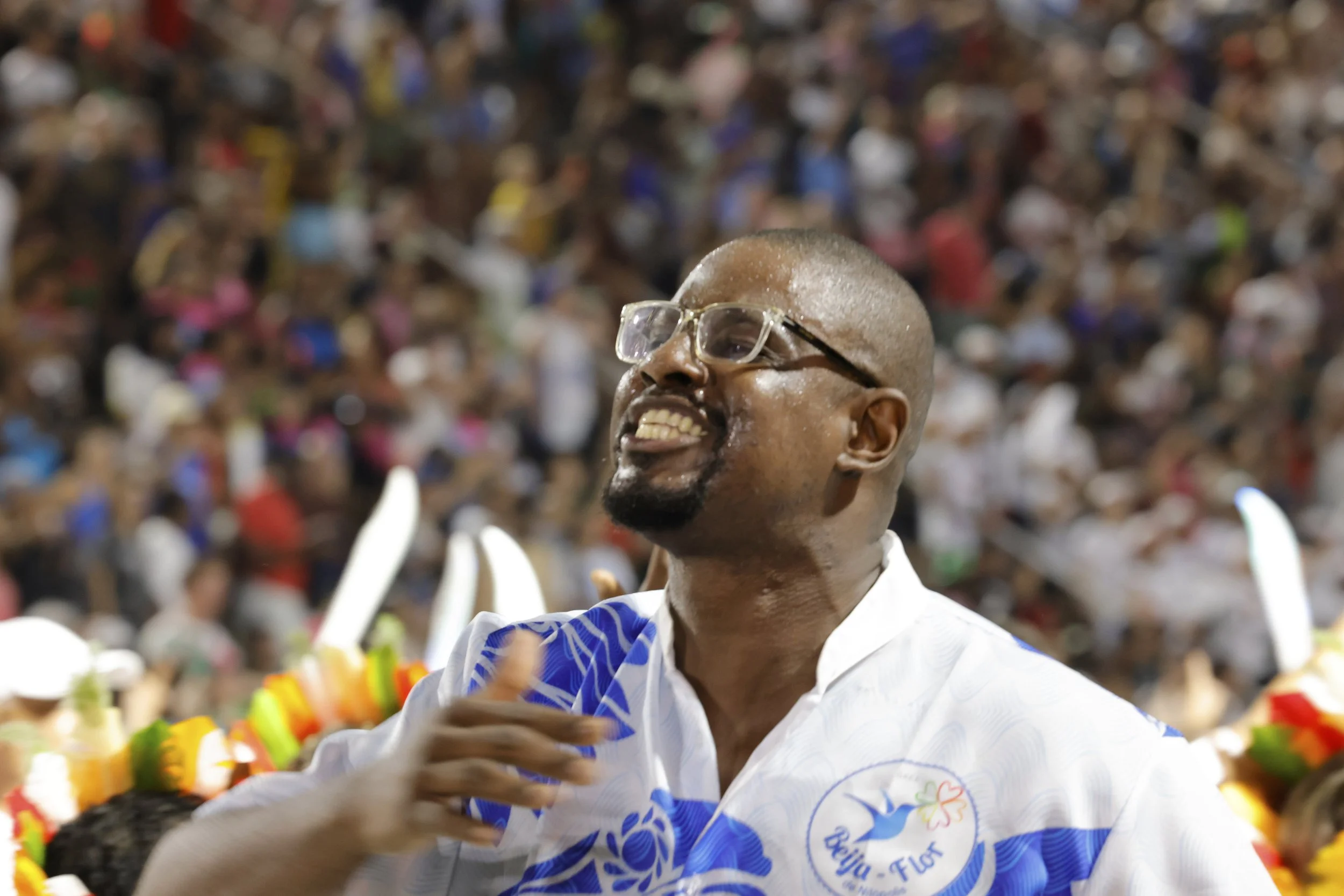
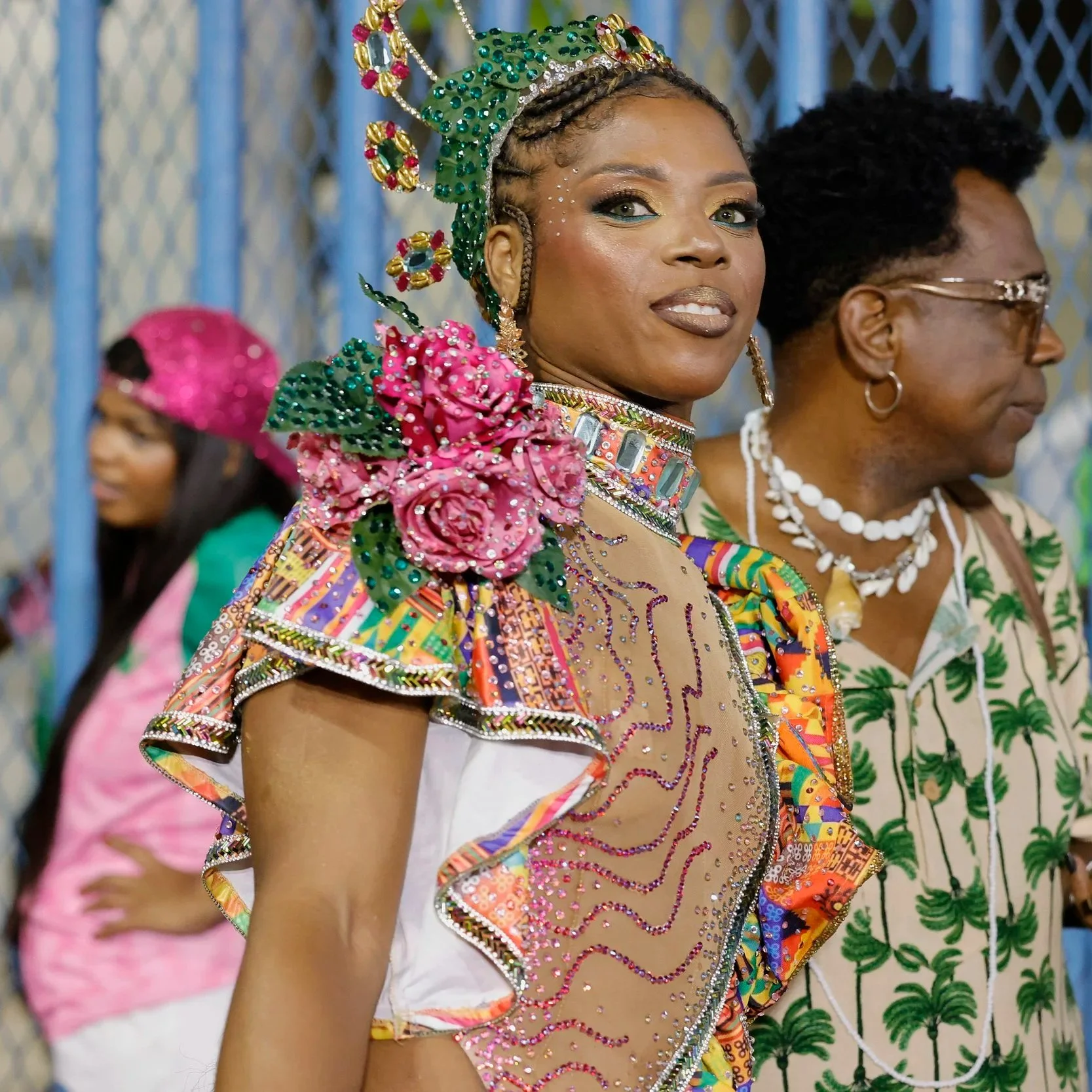
Beija-Flor
A school of memory, farewell, devotion and ceremonial force.
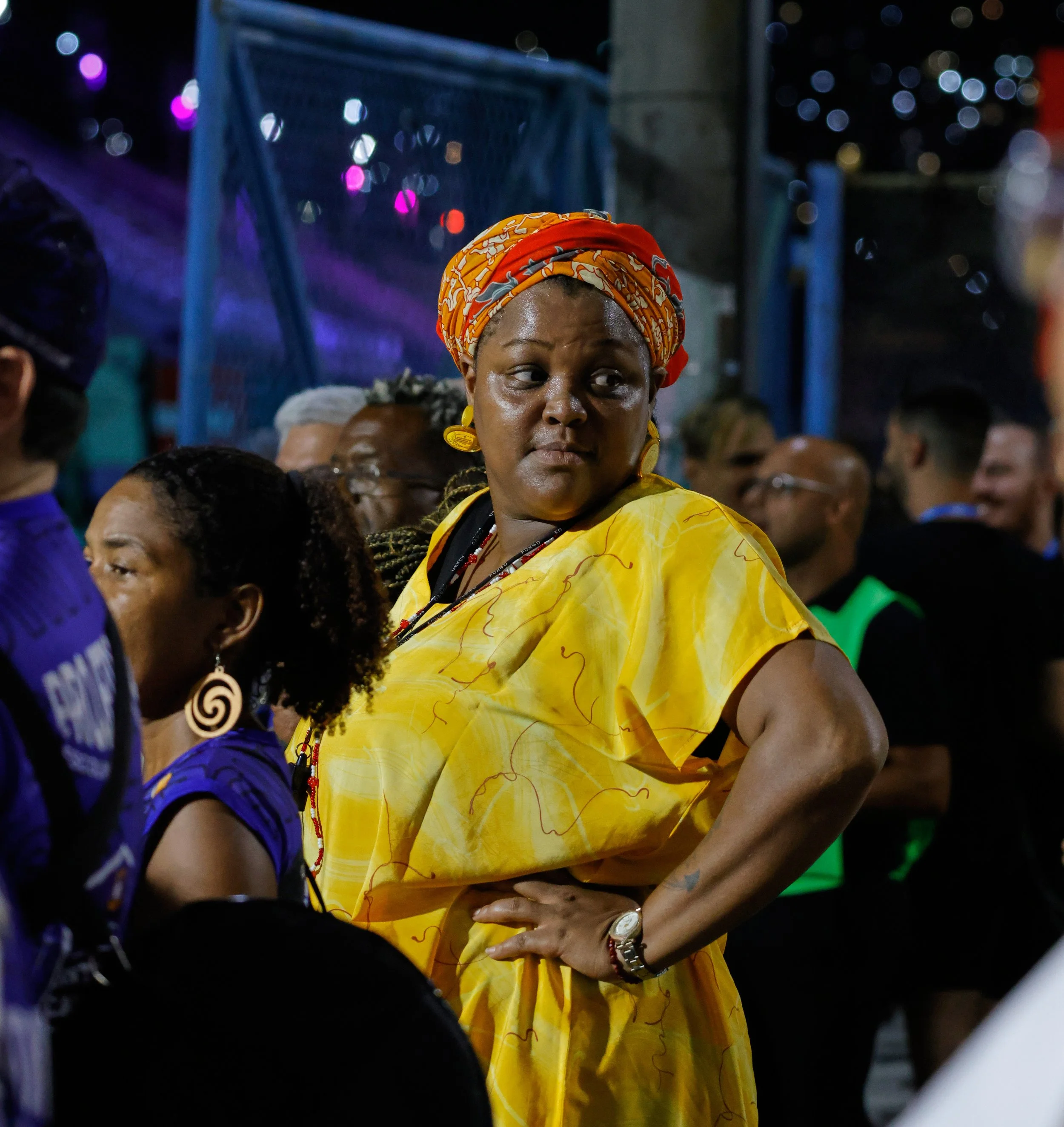
MANGUEIRA
Color, rhythm and history carried through bodies and song.
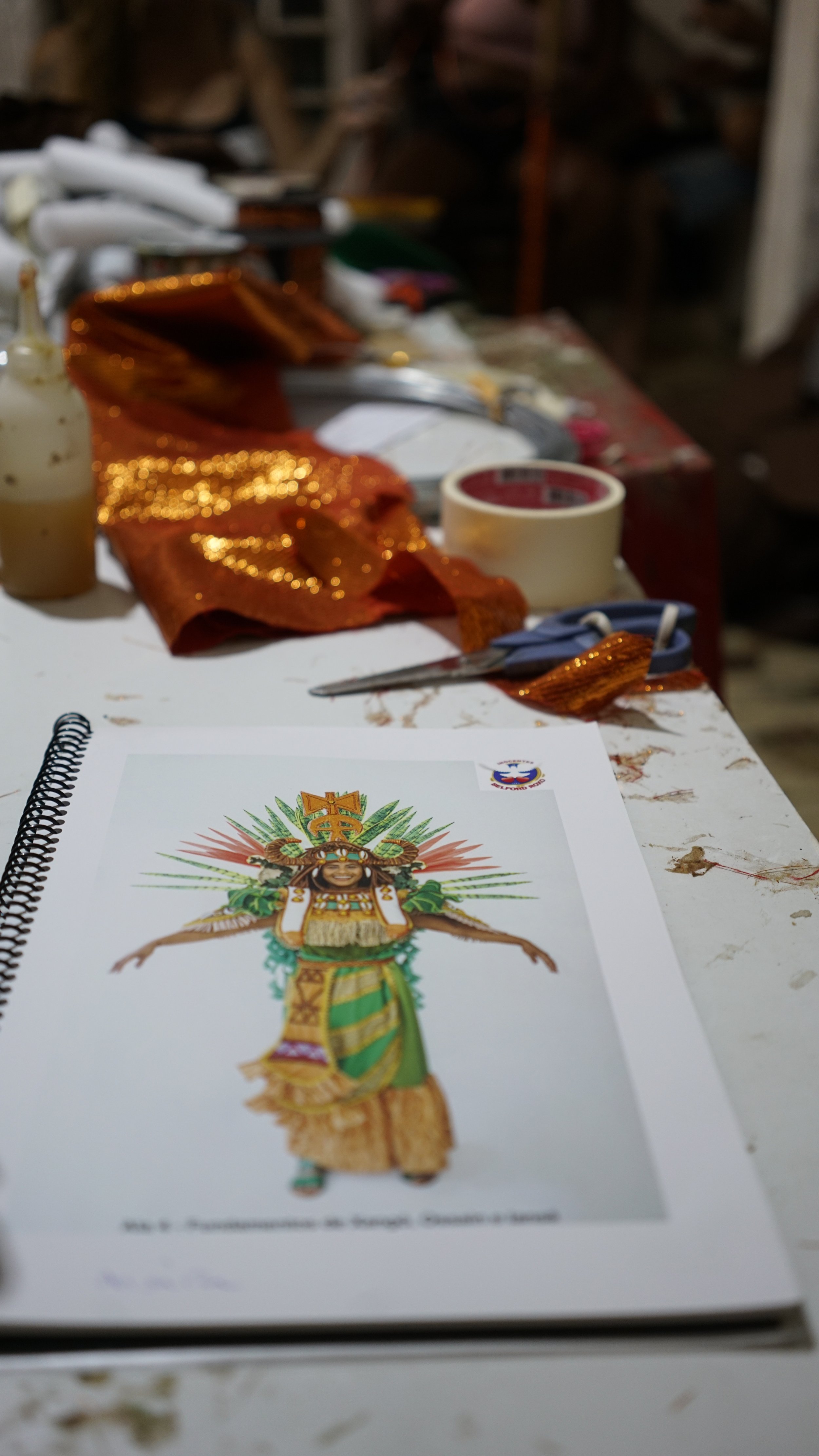
THE ATELIER
Before the parade, hands, fabric and labor prepare the dream.
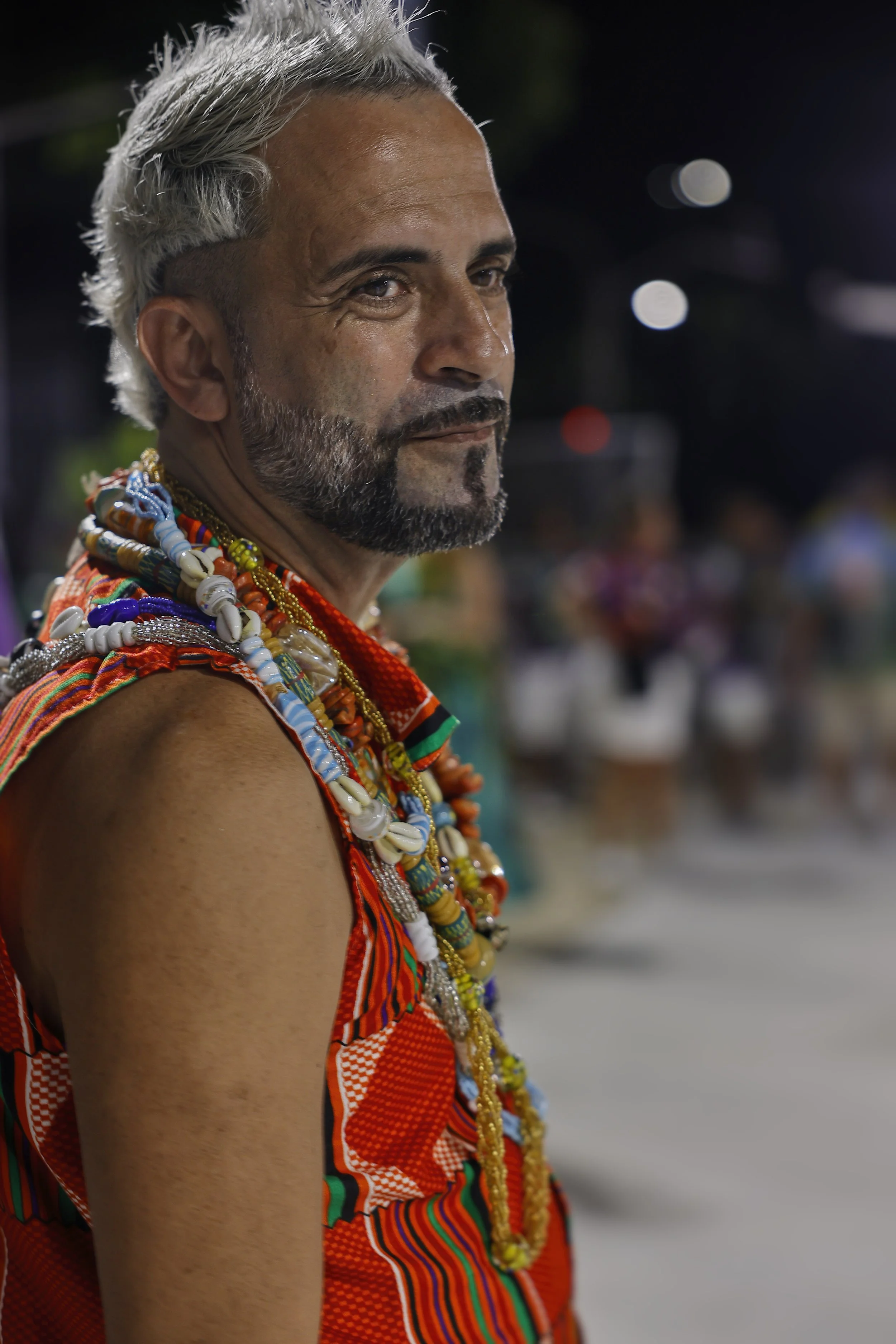
Em Cima da Hora
A smaller world where rehearsal becomes intimacy and presence.
Inocentes de Belford Roxo
Community, resilience and beauty outside the center of attention.
This Brazil chapter will grow through encounters, rehearsals, processions, ateliers and the people who carry rhythm as memory.