Sambódromo
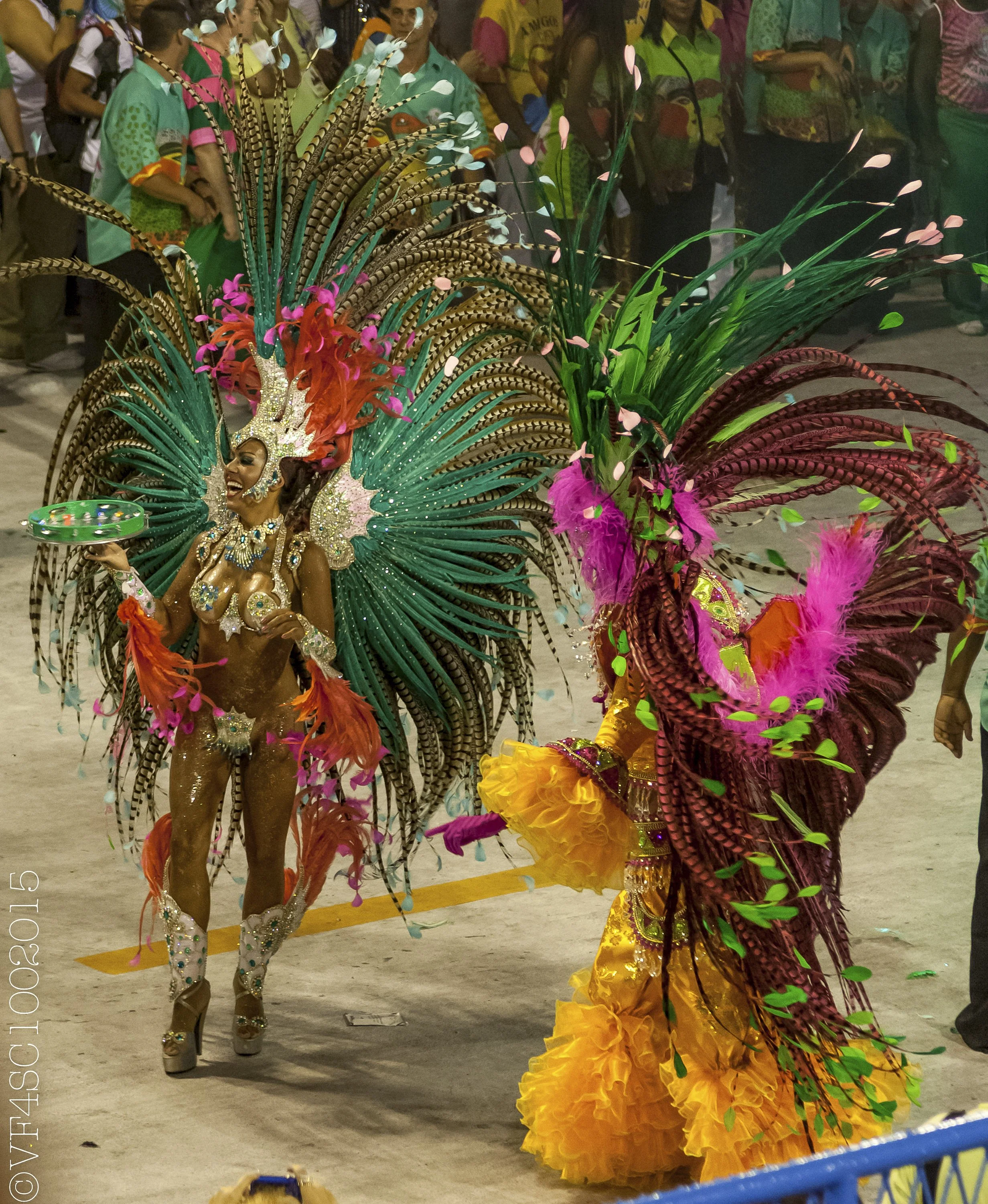
After the rehearsals, the waiting rooms, the costume work, the fatigue, and the discipline of the samba schools, everything arrives here.
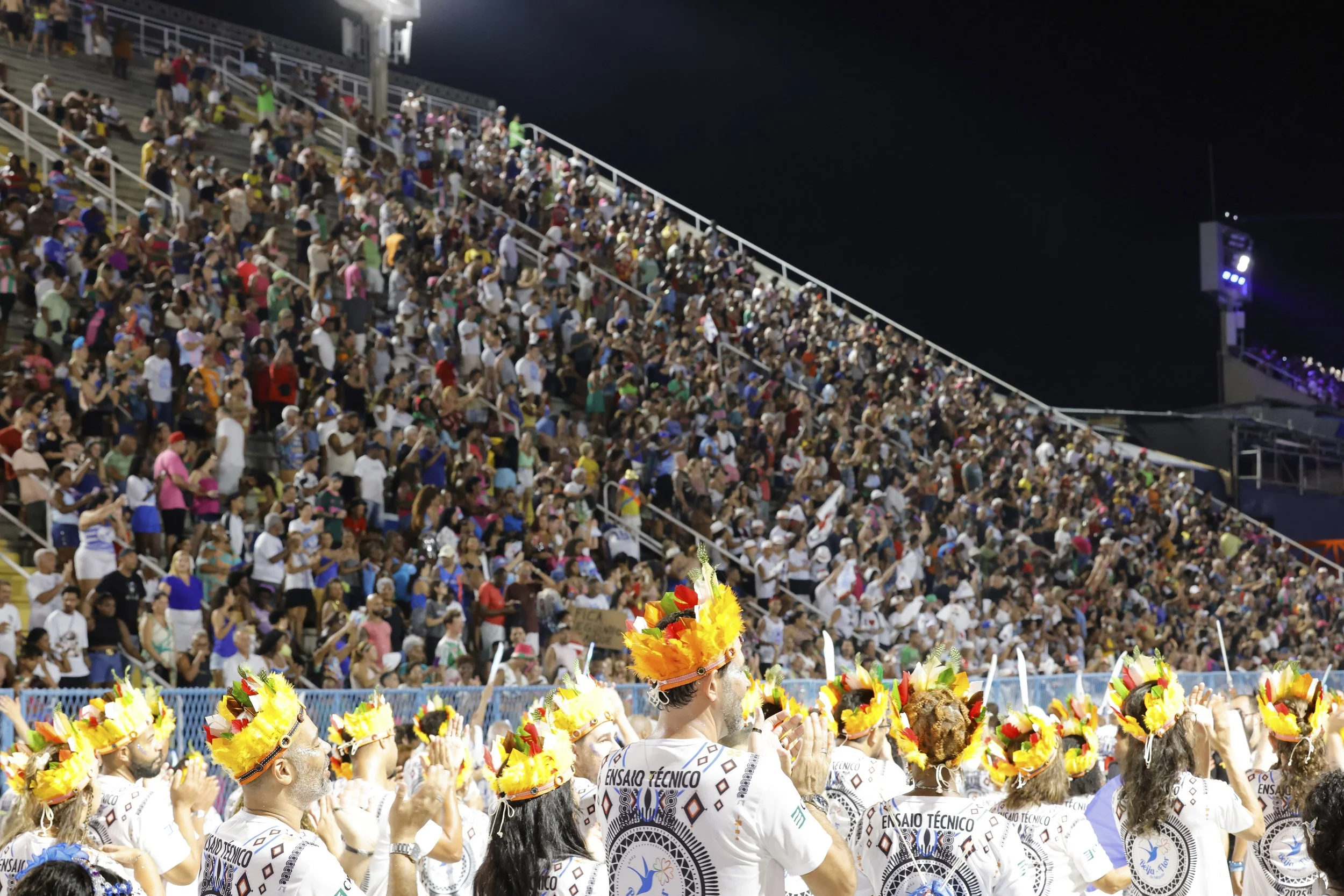
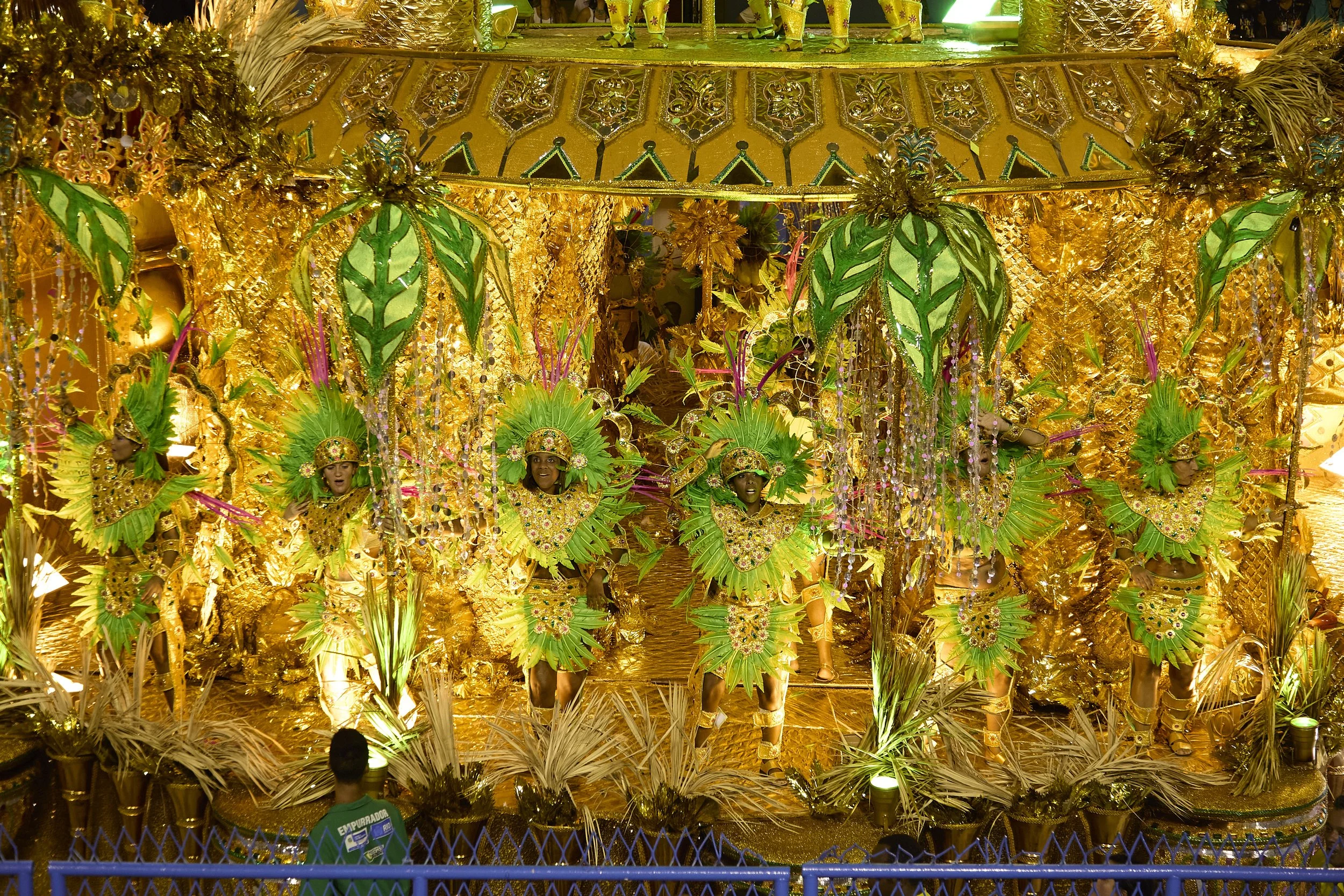
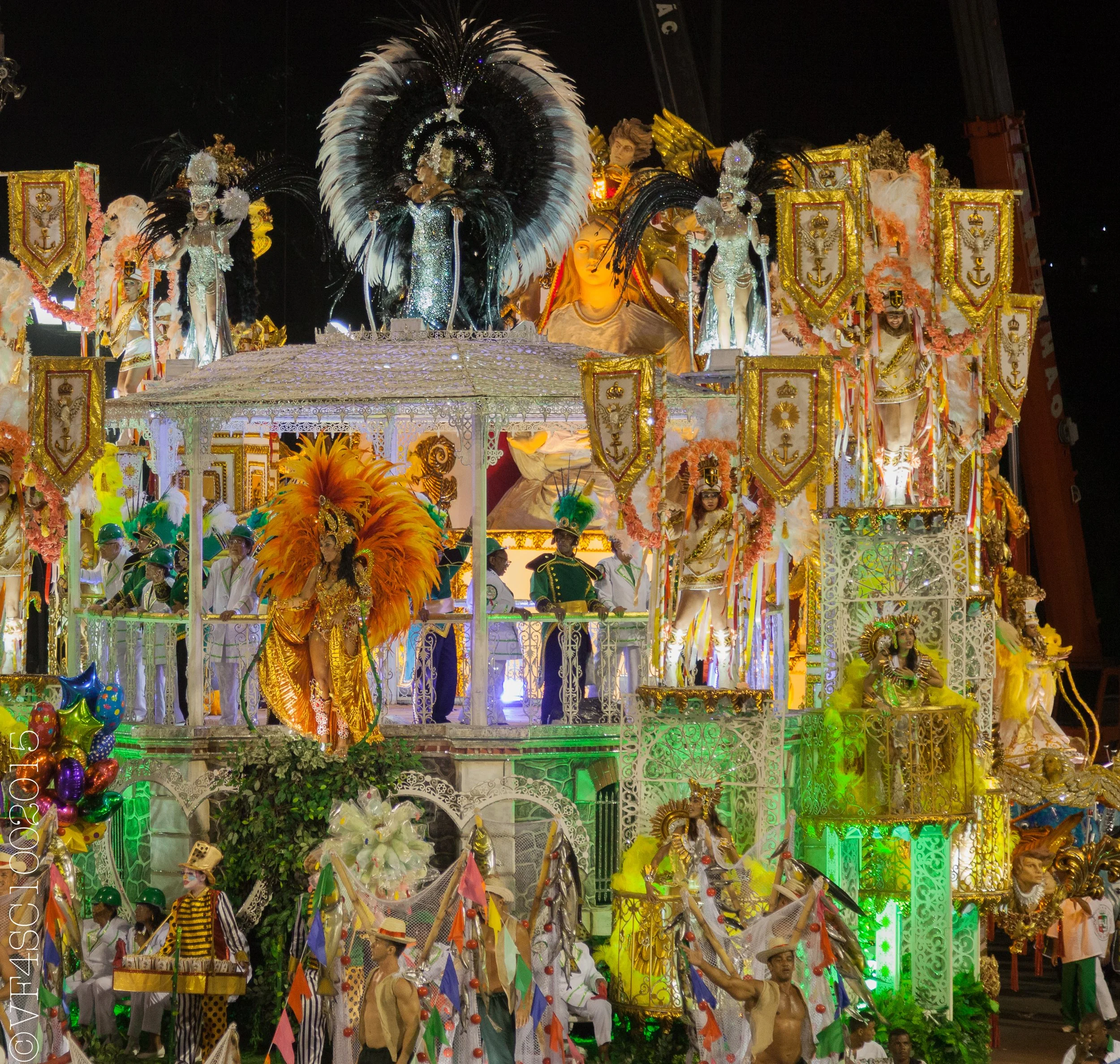
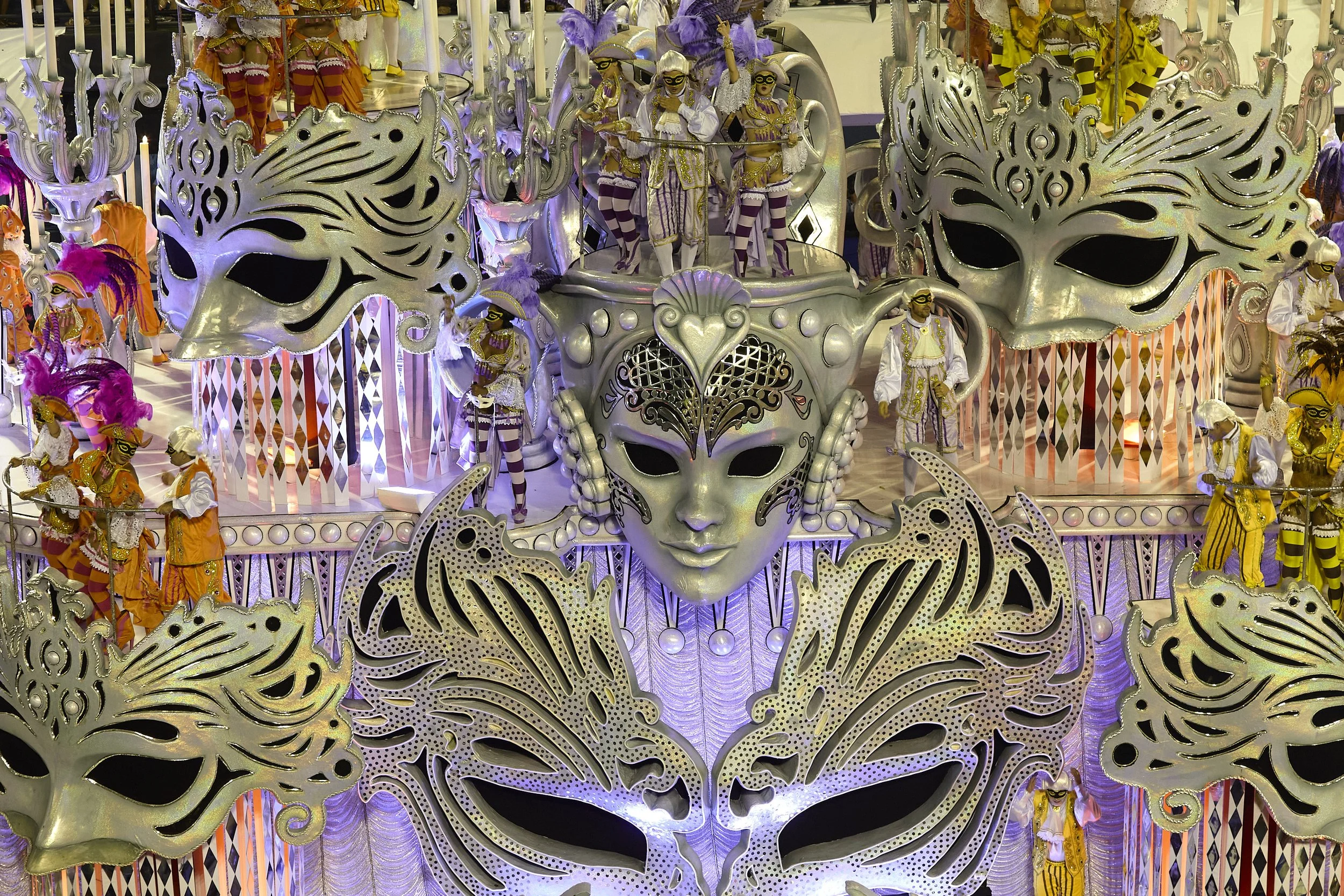
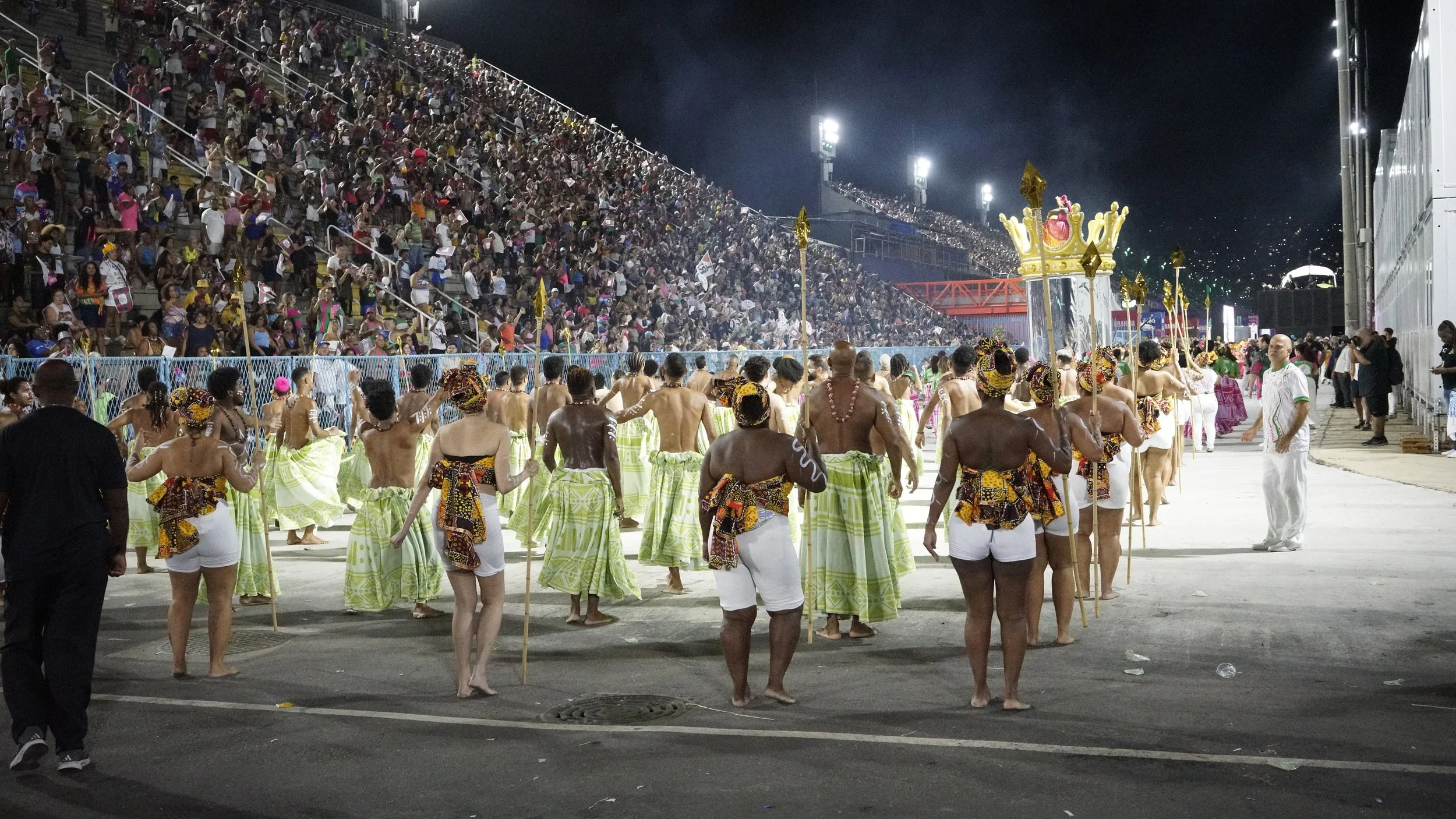
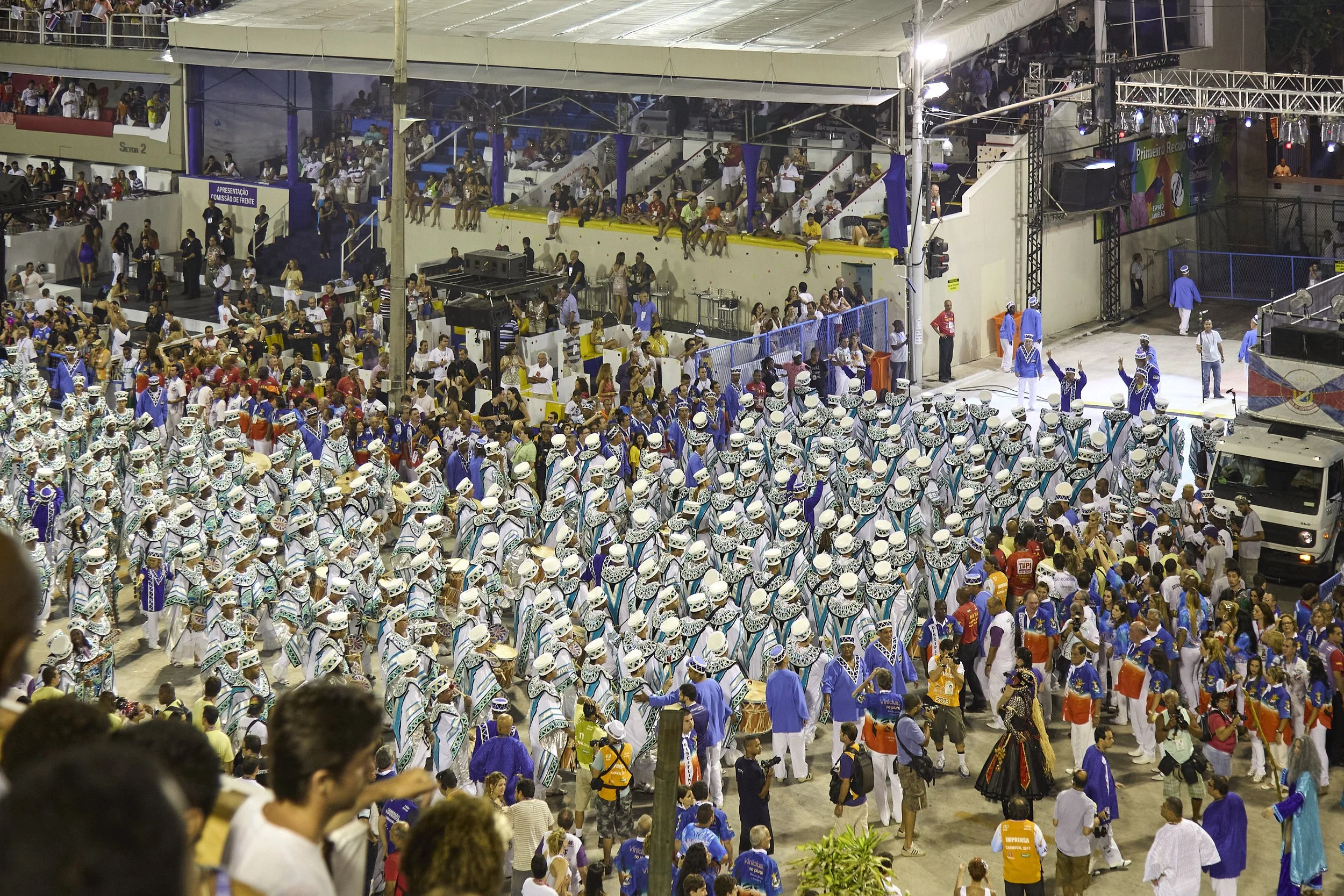
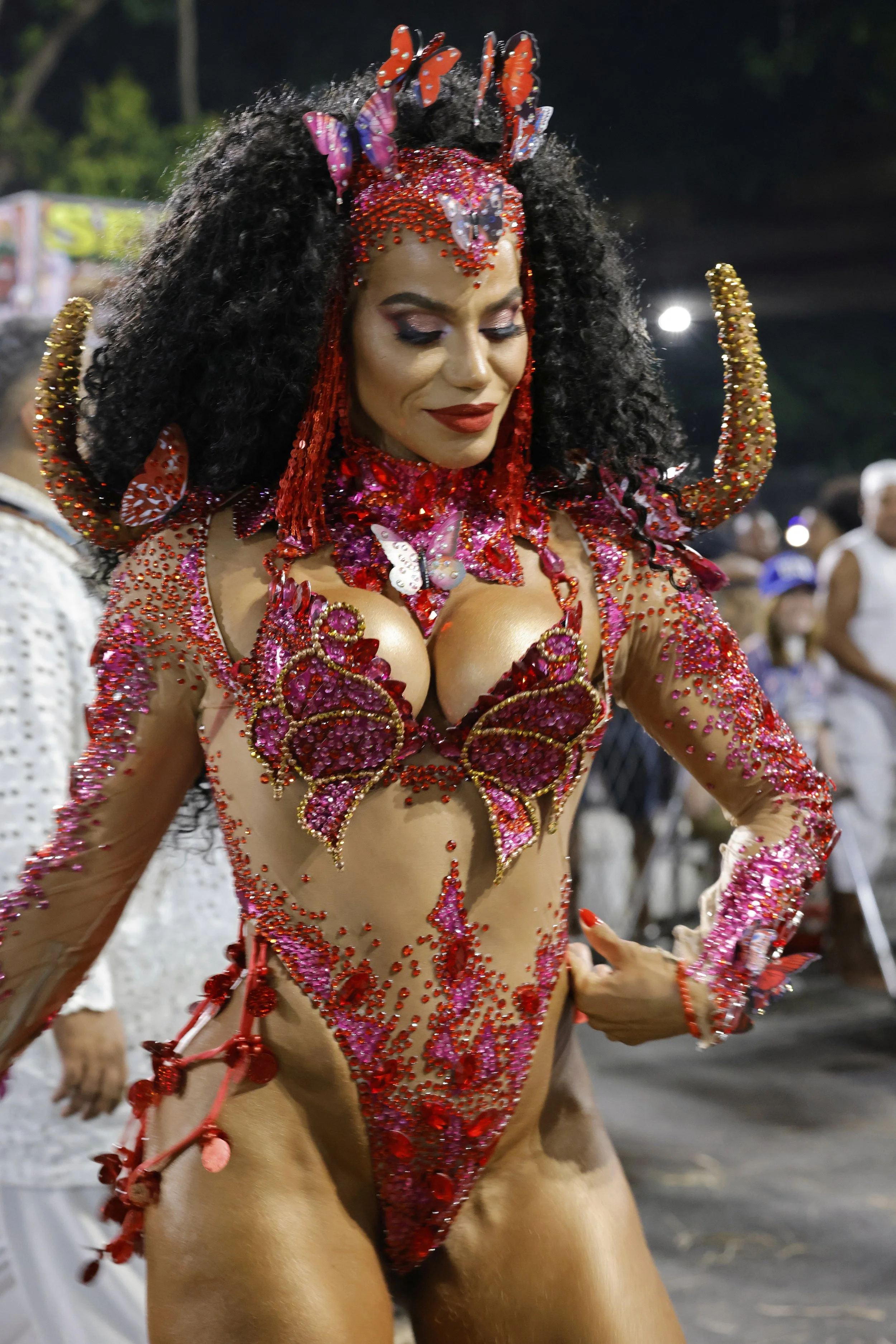
The Sambódromo is where preparation becomes public force: bodies under light, costumes in motion, music carried by thousands, and the city watching itself through Carnival.
The avenue where Carnival becomes public.
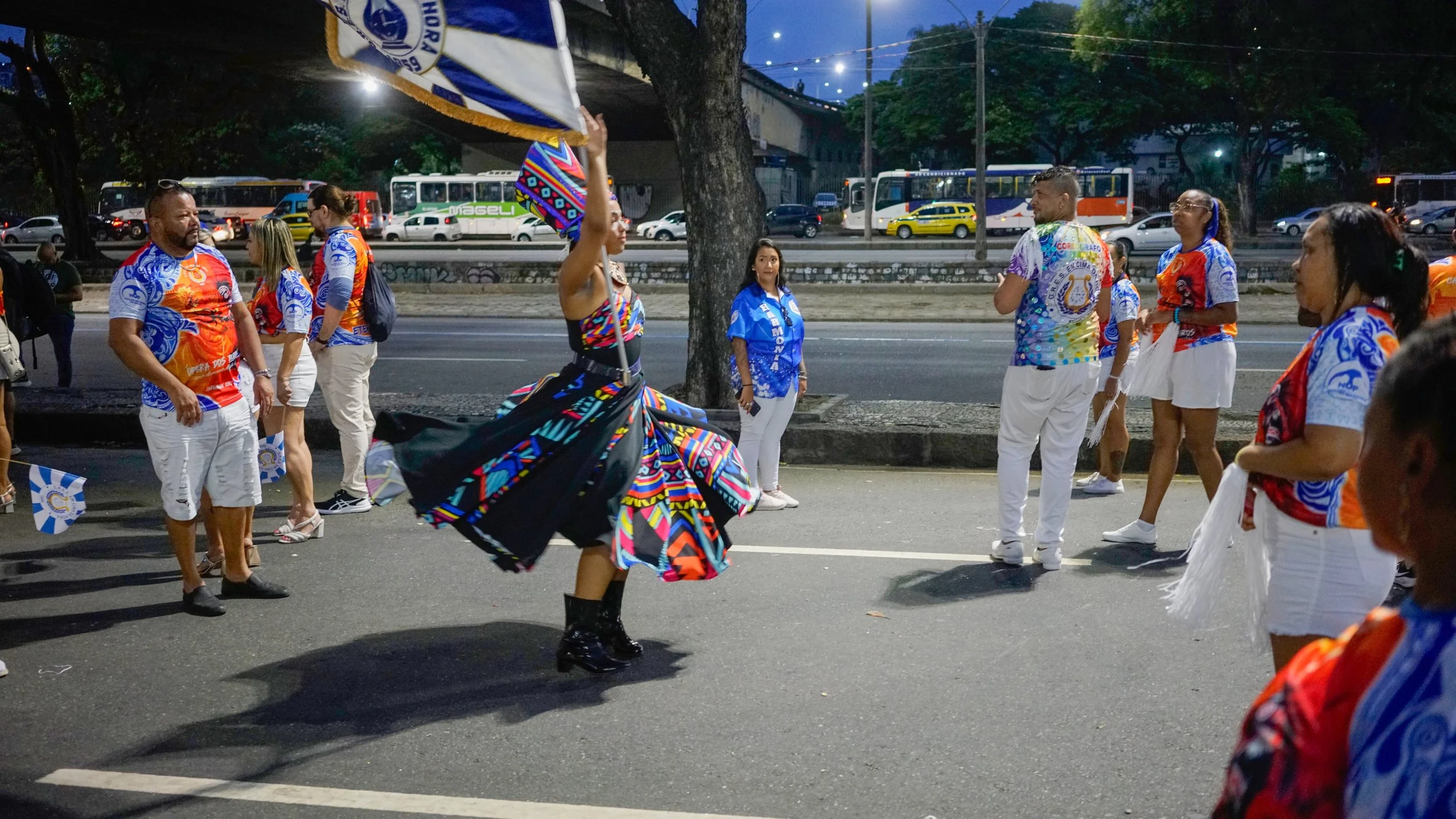
Before the parade began, I remember feeling excited, curious, alive.
Everything seemed to vibrate before it had even started. The Sambódromo had not yet become a procession. It was a body preparing to breathe.
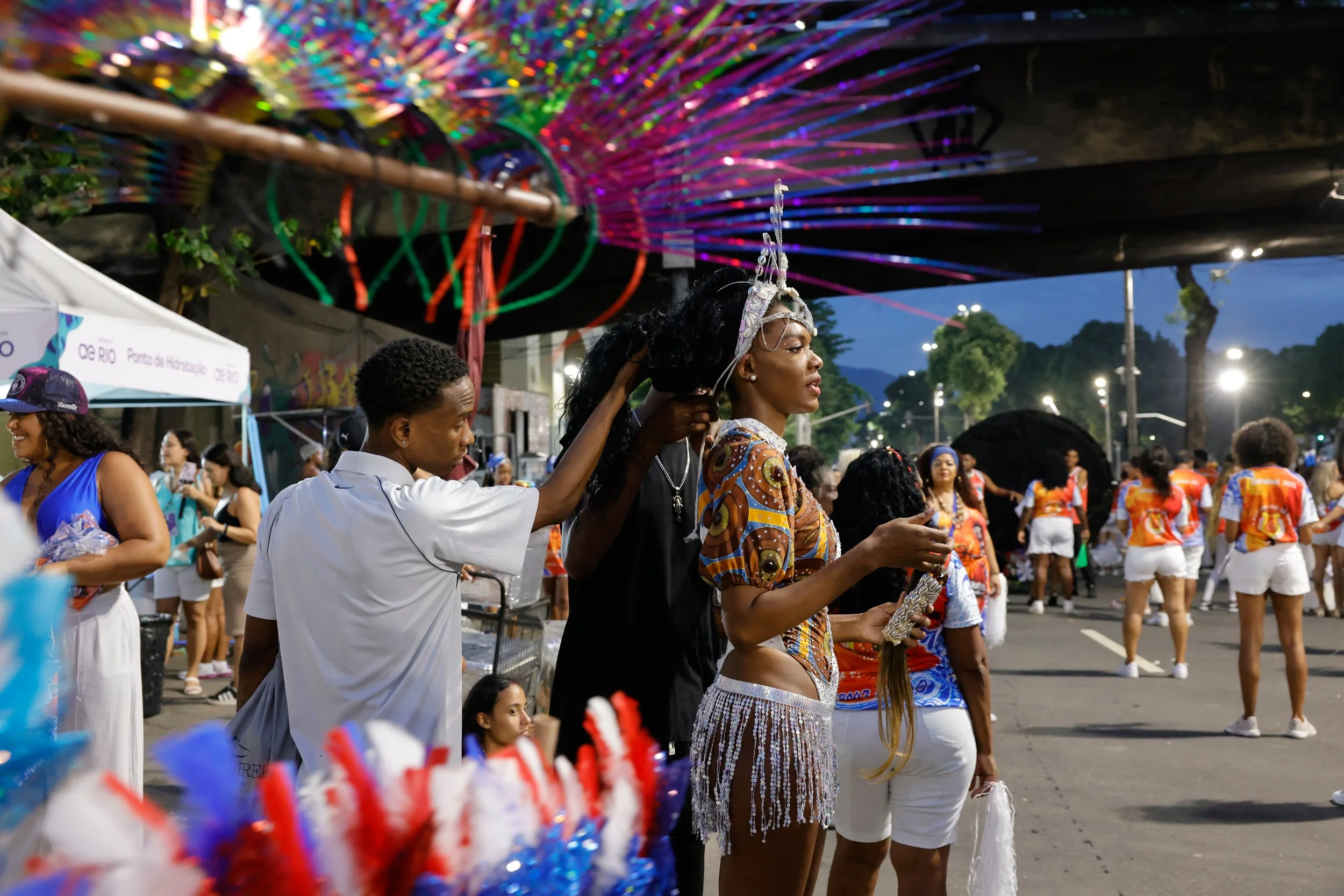
At the threshold of the parade, the costume is no longer only an object. The body changes. The avenue asks for presence, rhythm, courage, and surrender.
Here, Carnival becomes public.
The Avenue Opens
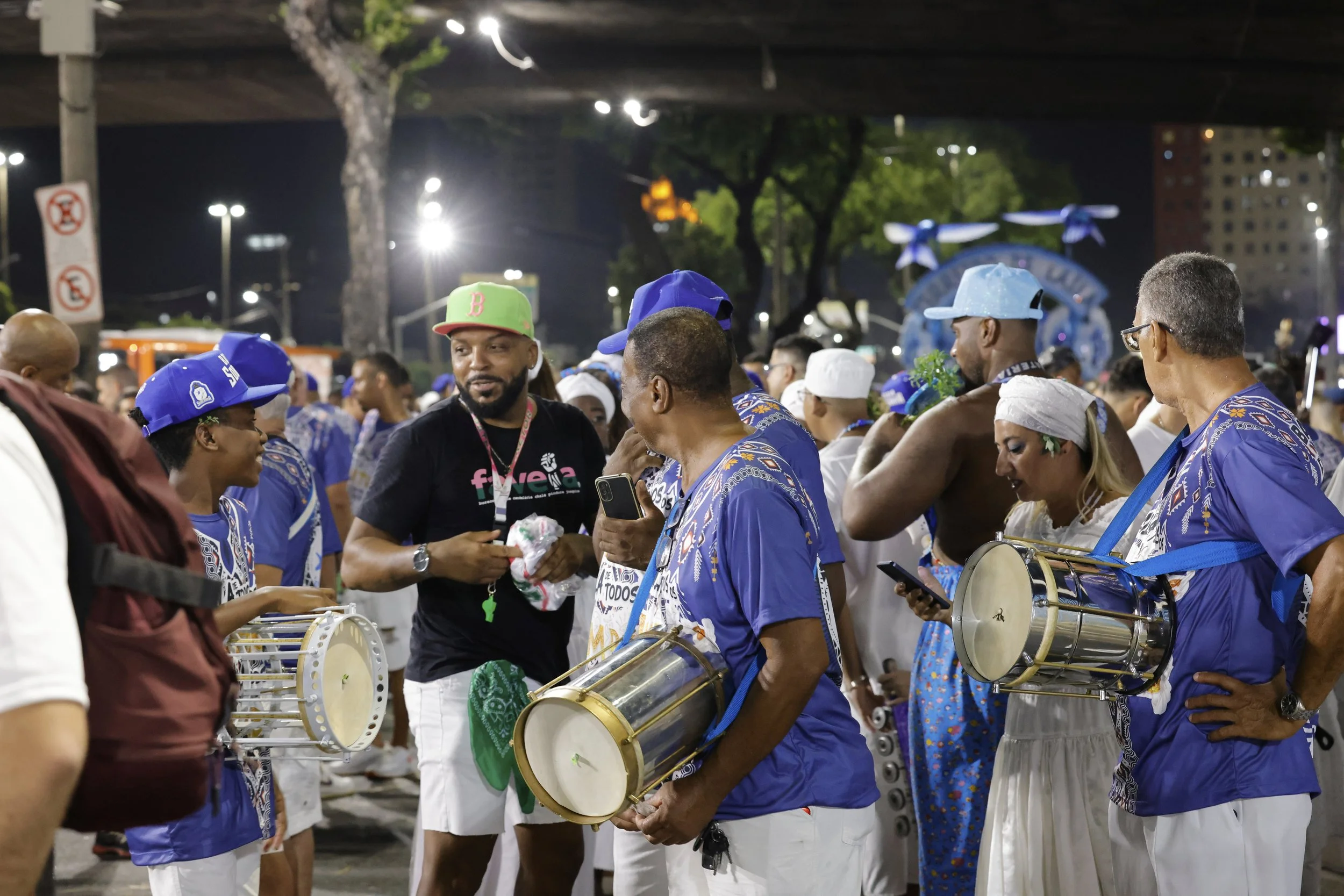
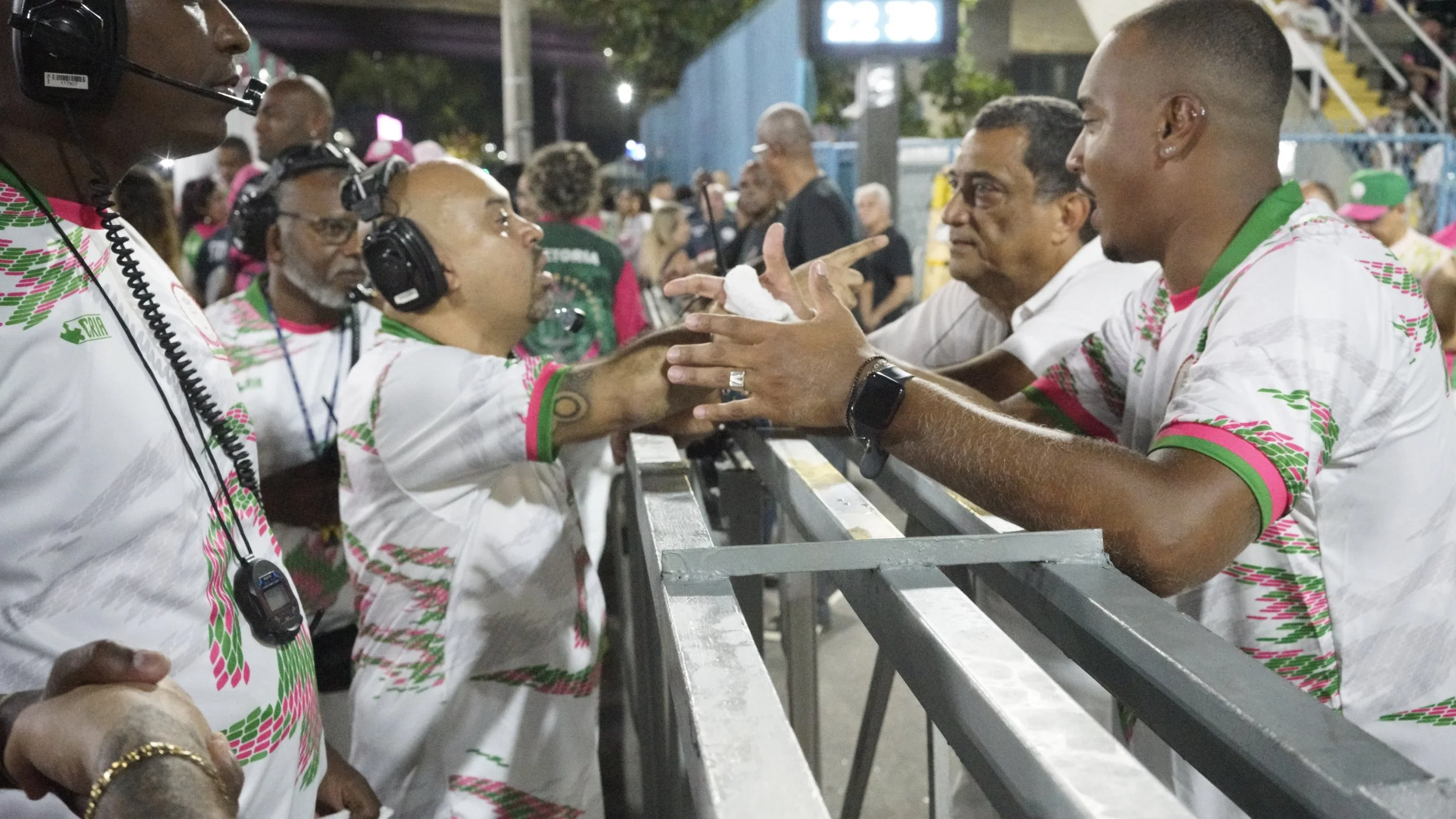
When the samba drums came alive, what struck me most was the happiness, the electricity in the air, and the way my body simply went with it.
At that moment, I was not only photographing colour and movement. I was inside a rhythm larger than myself.
The avenue was no longer a place to look at. It had become something to enter.
Bodies in Motion
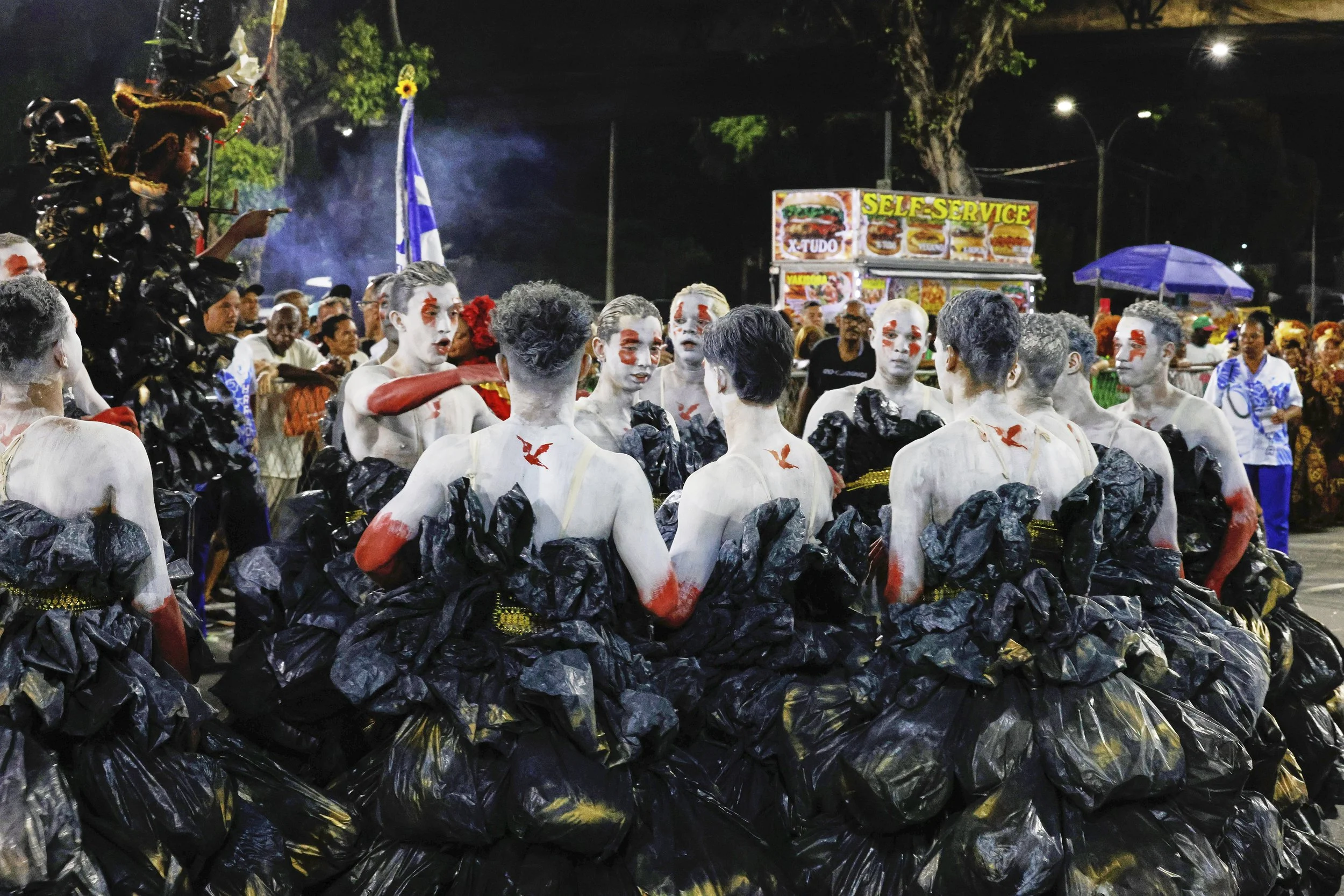
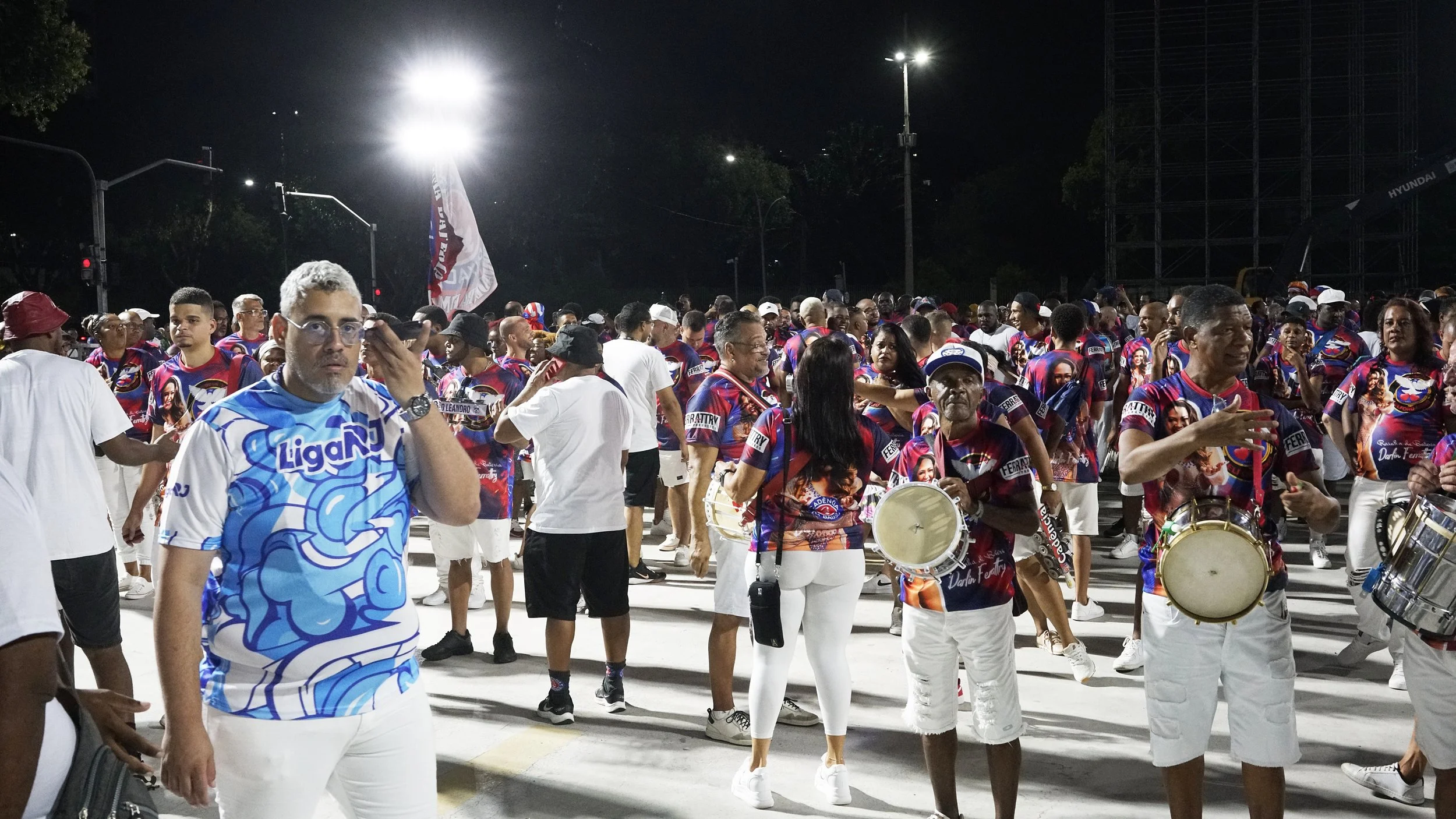
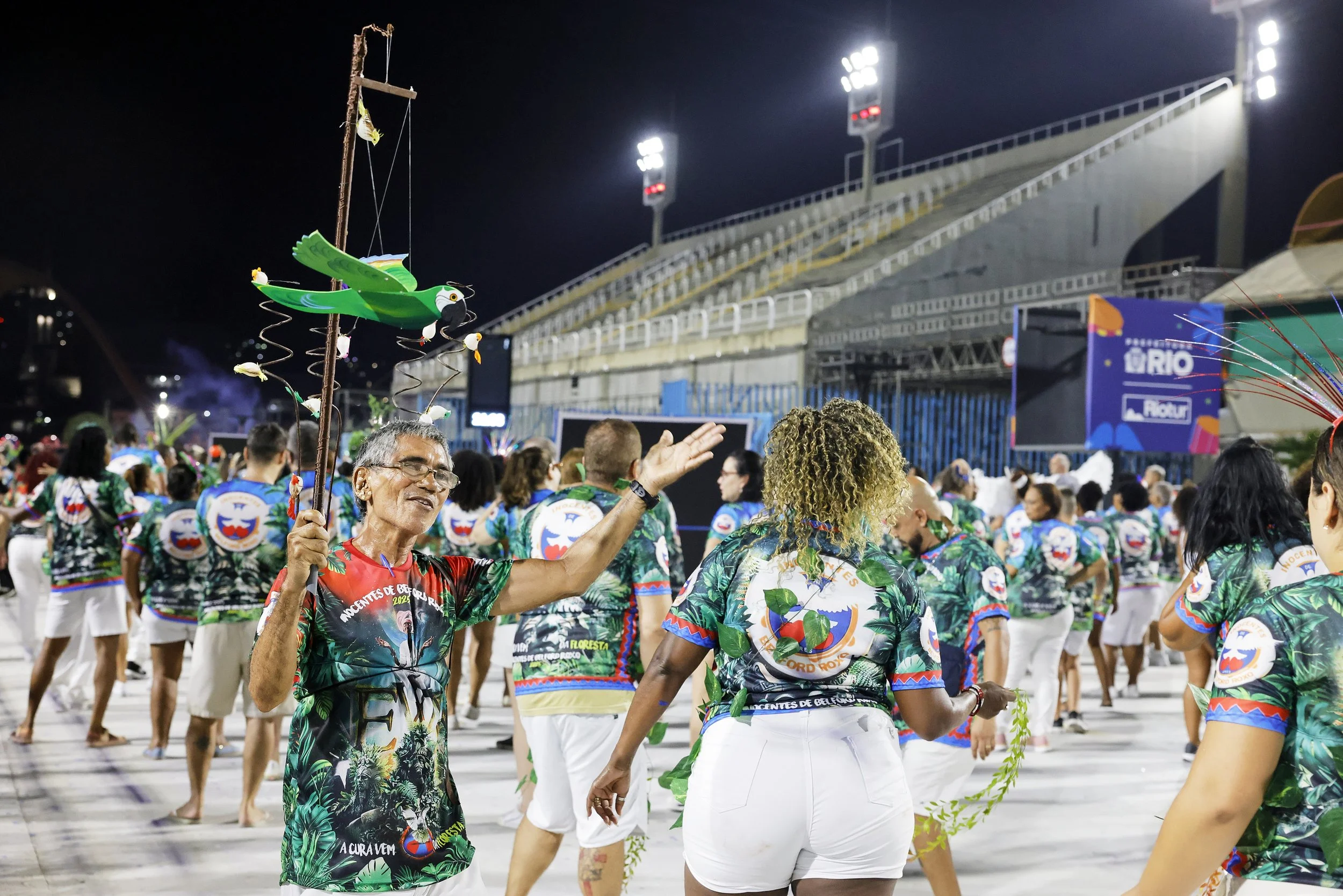
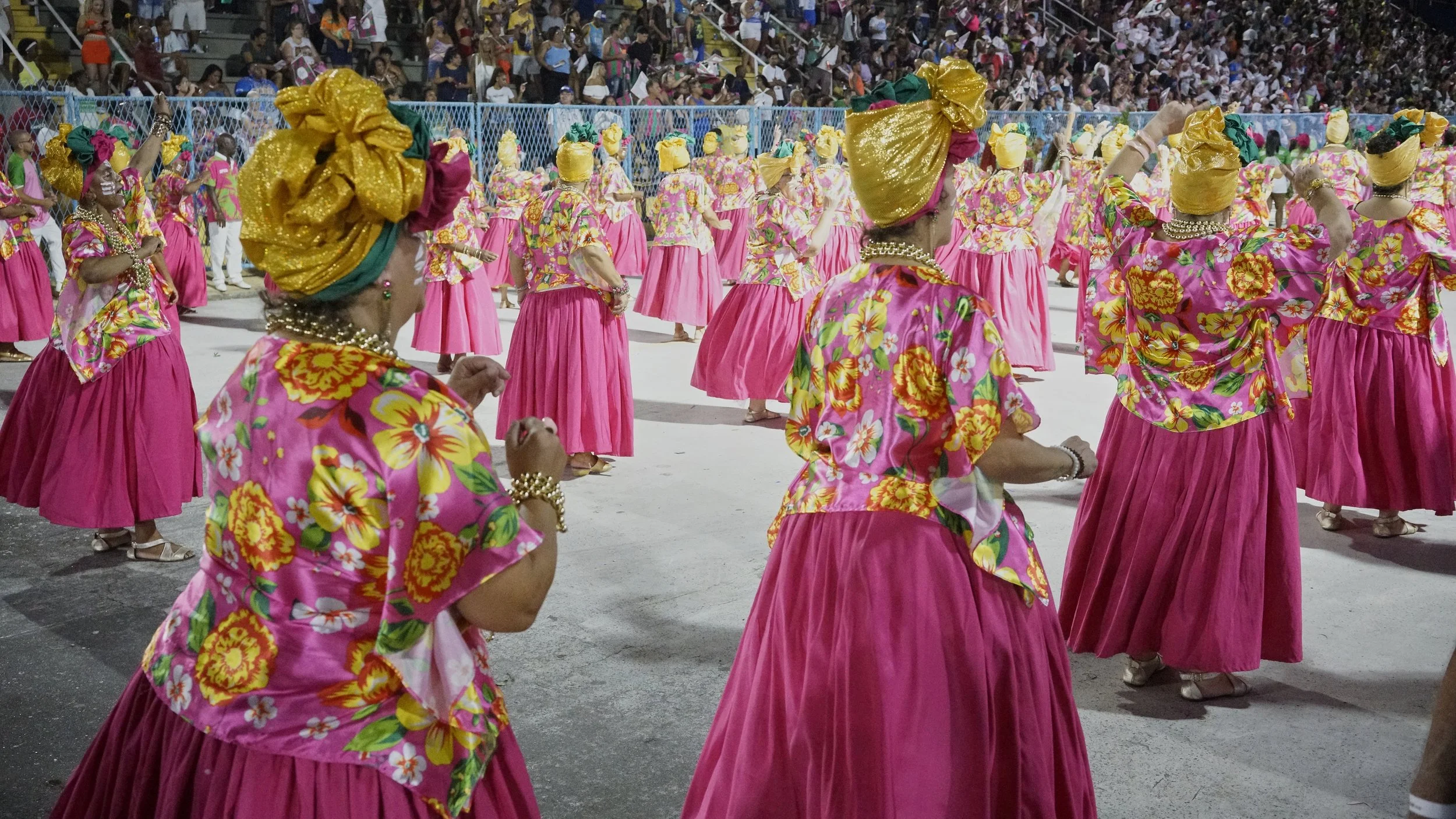
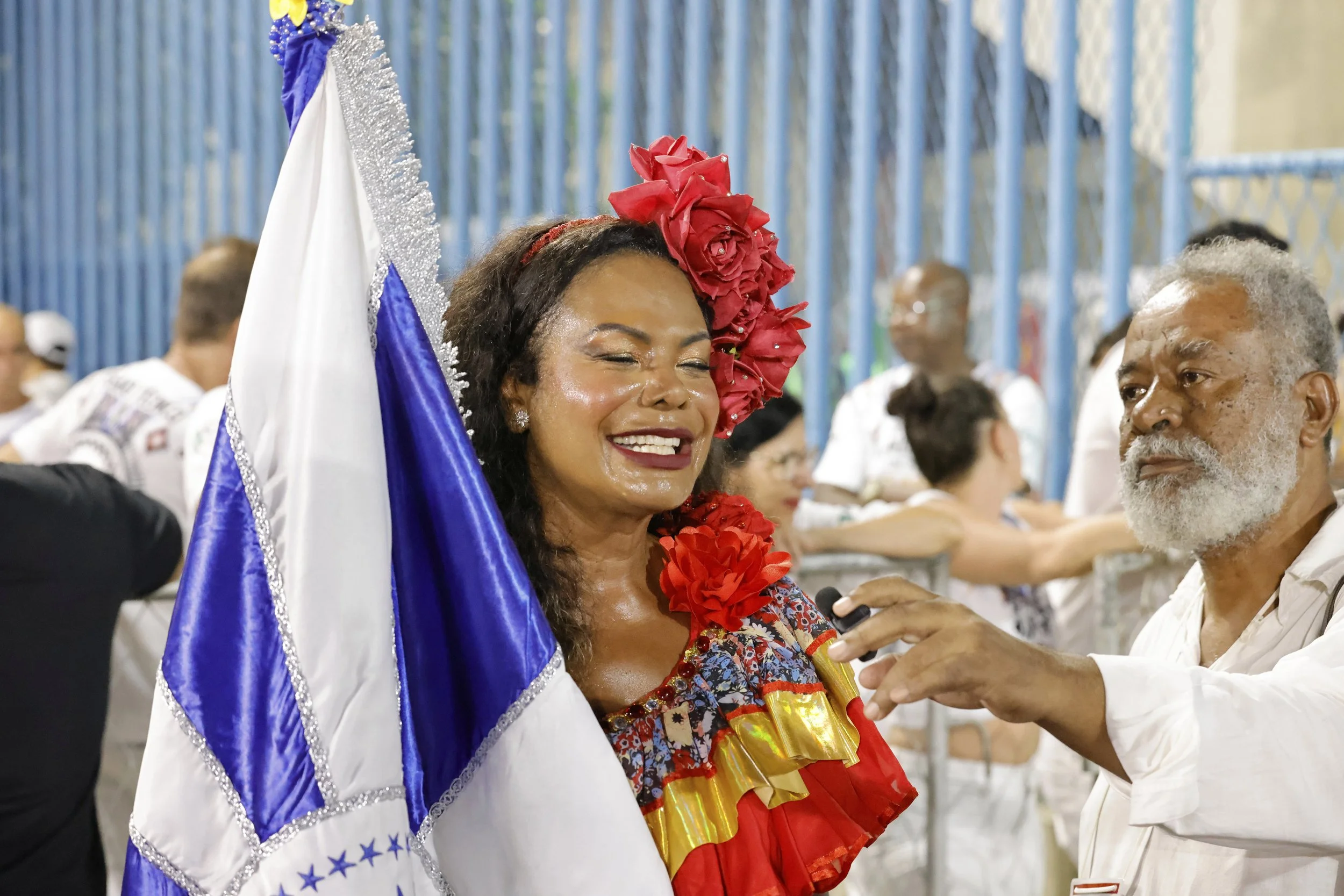
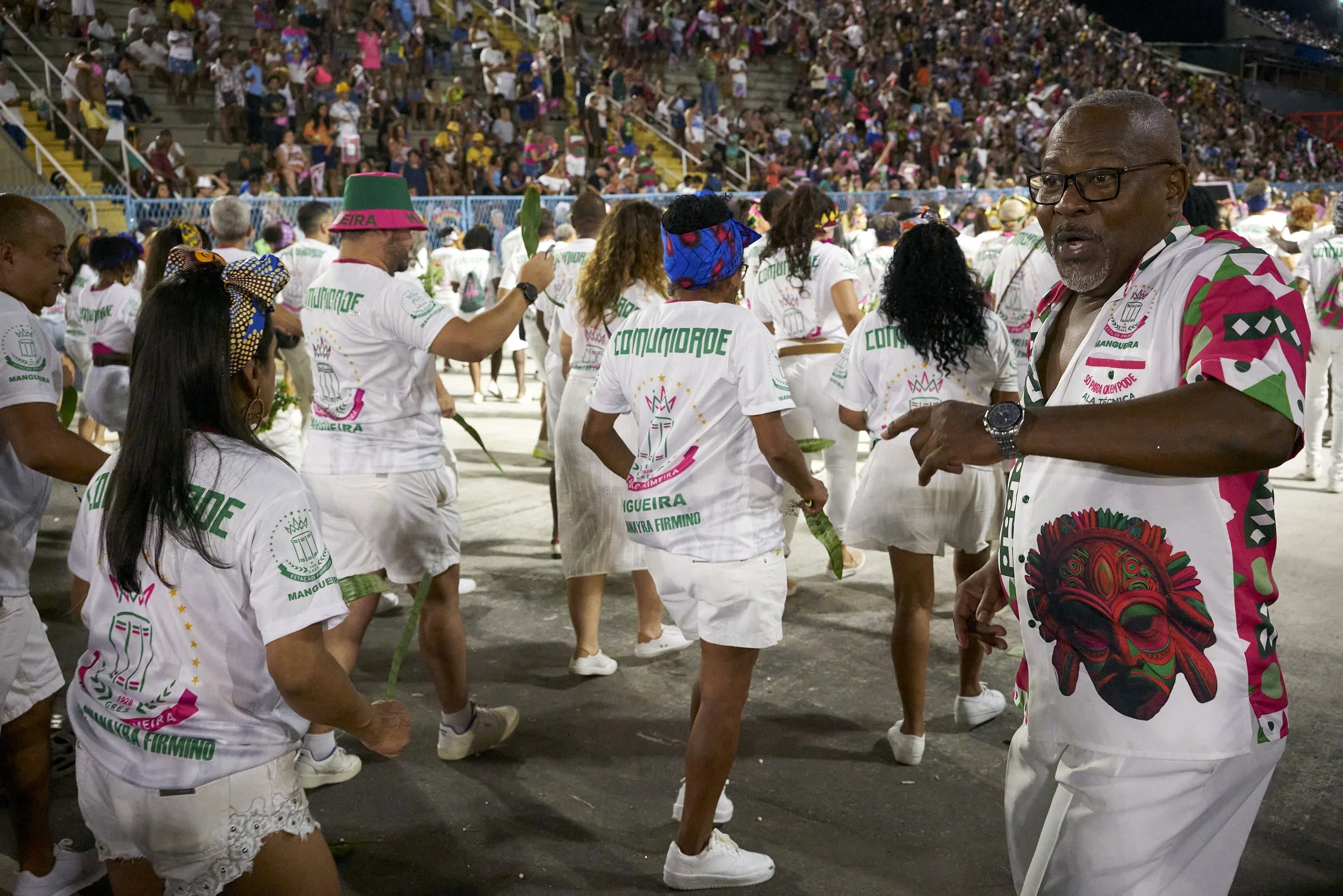
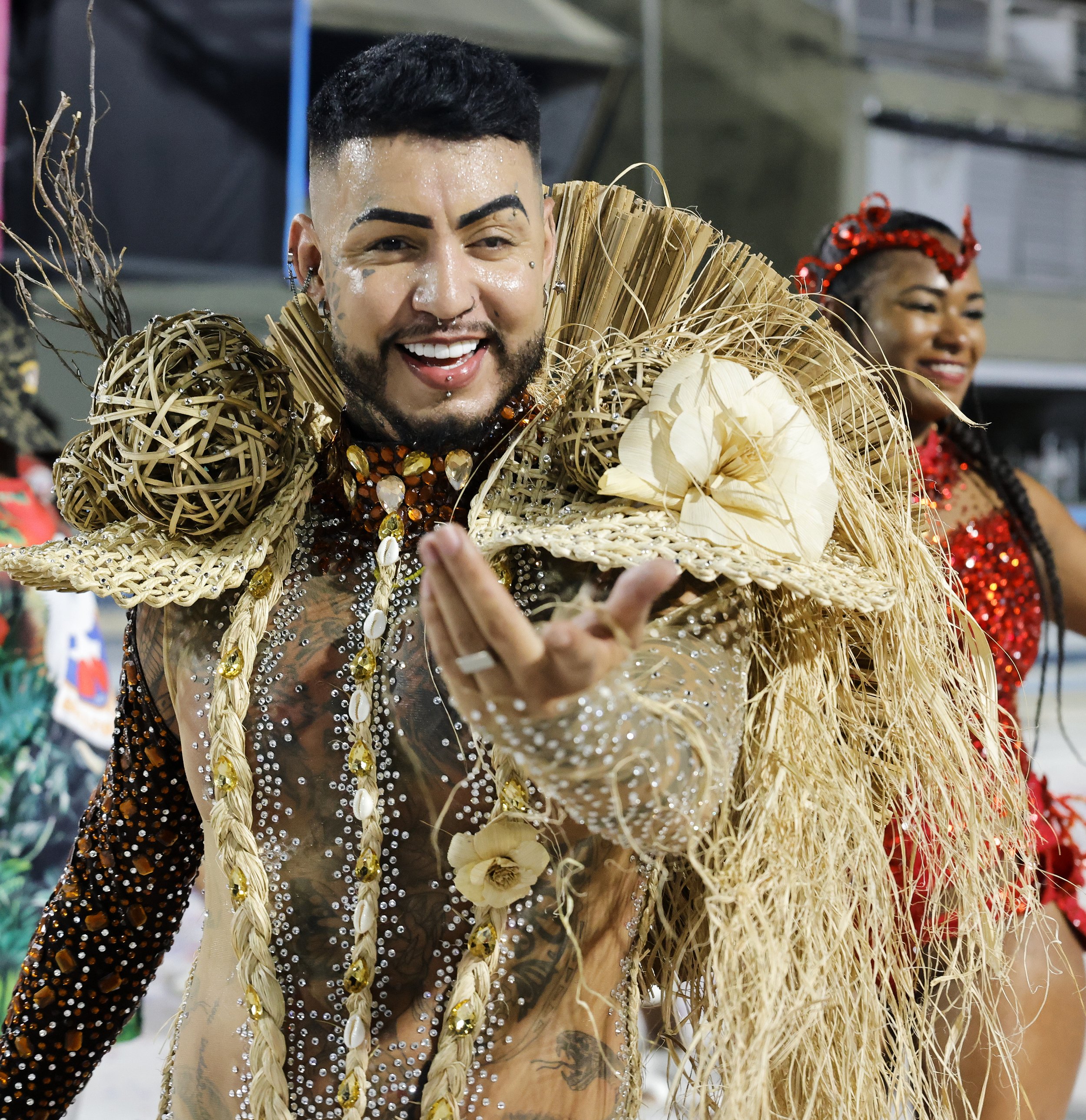
Costume, Skin, Light
The Climax of the Route
After the Avenue
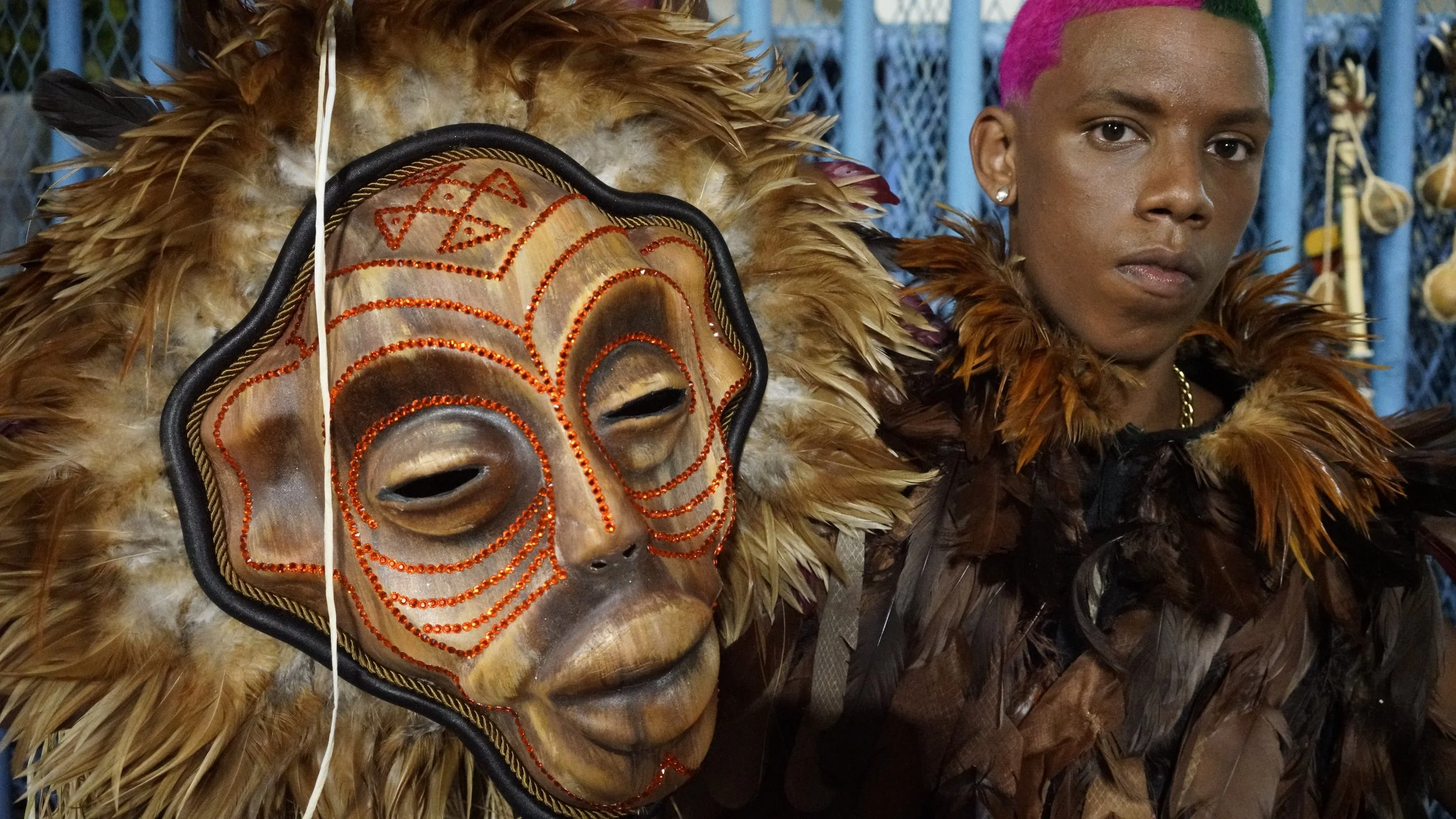
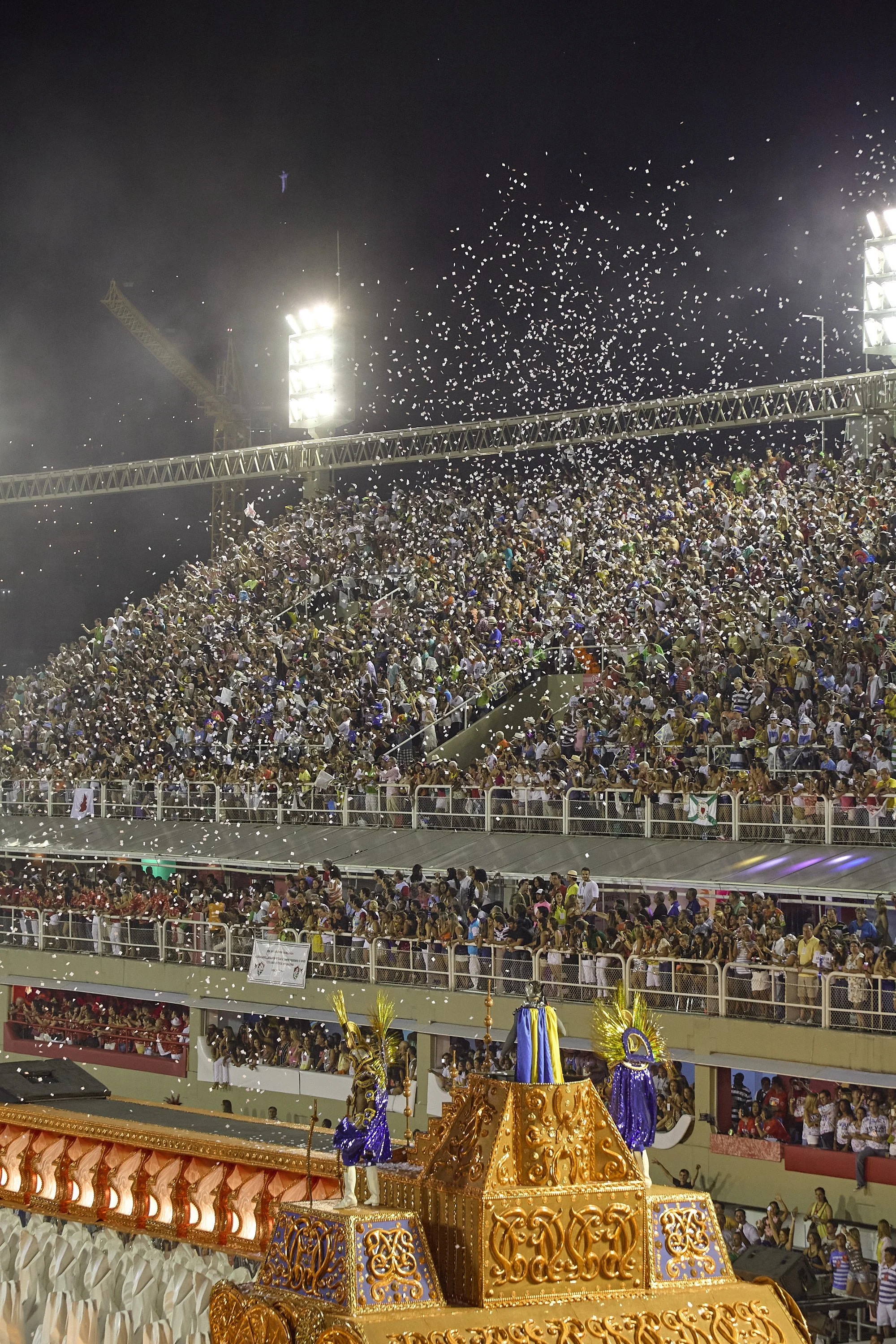
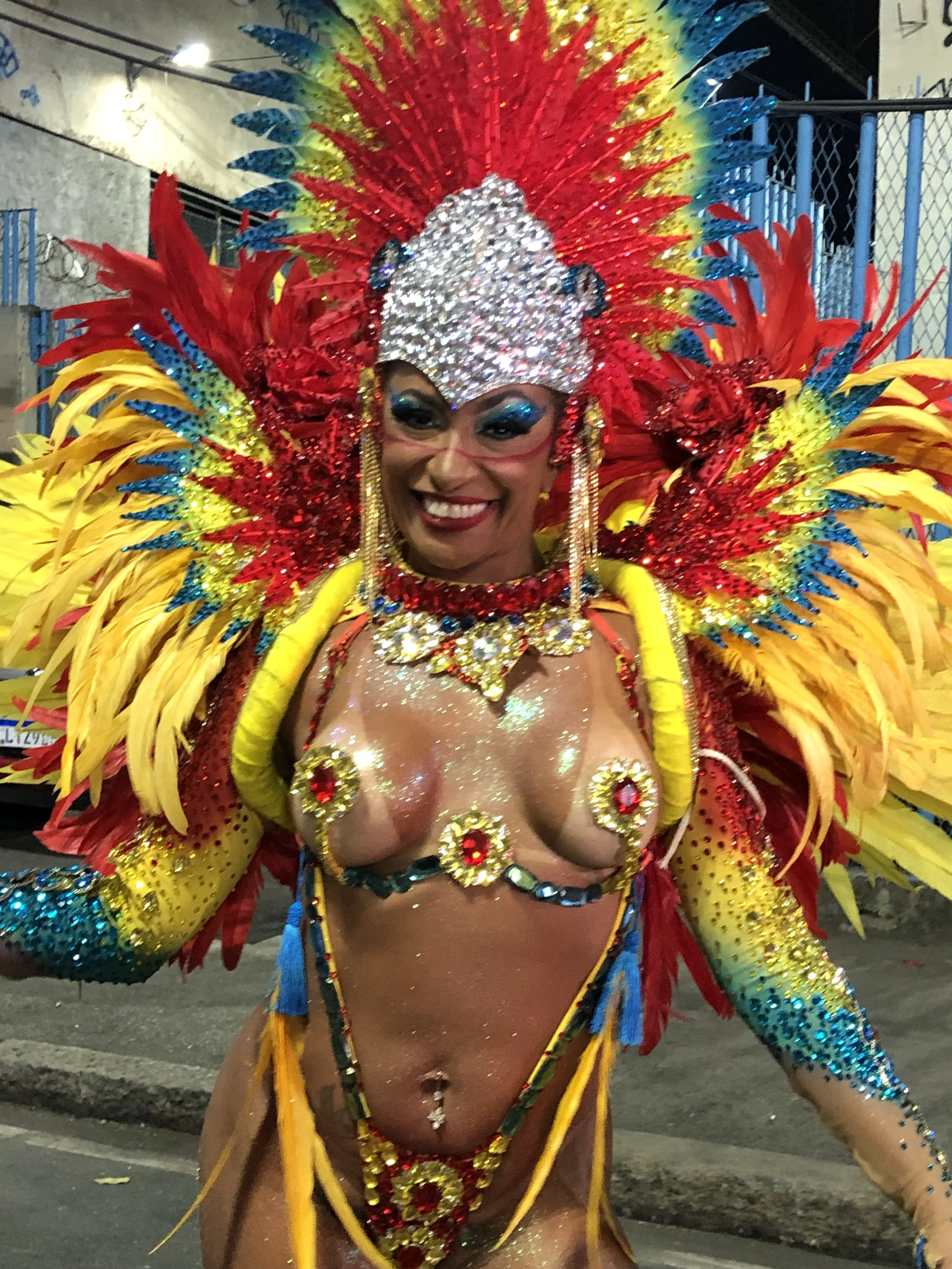
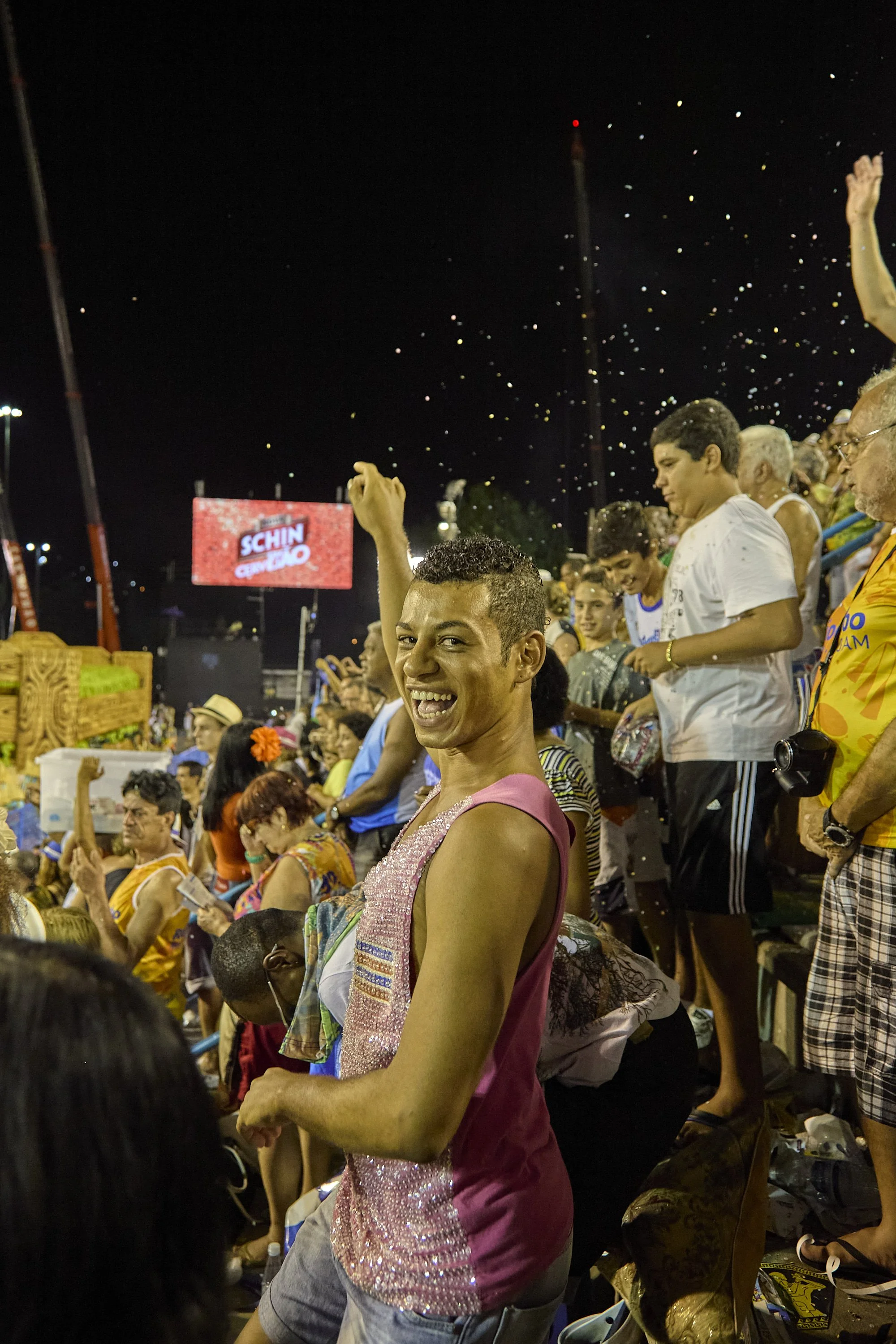
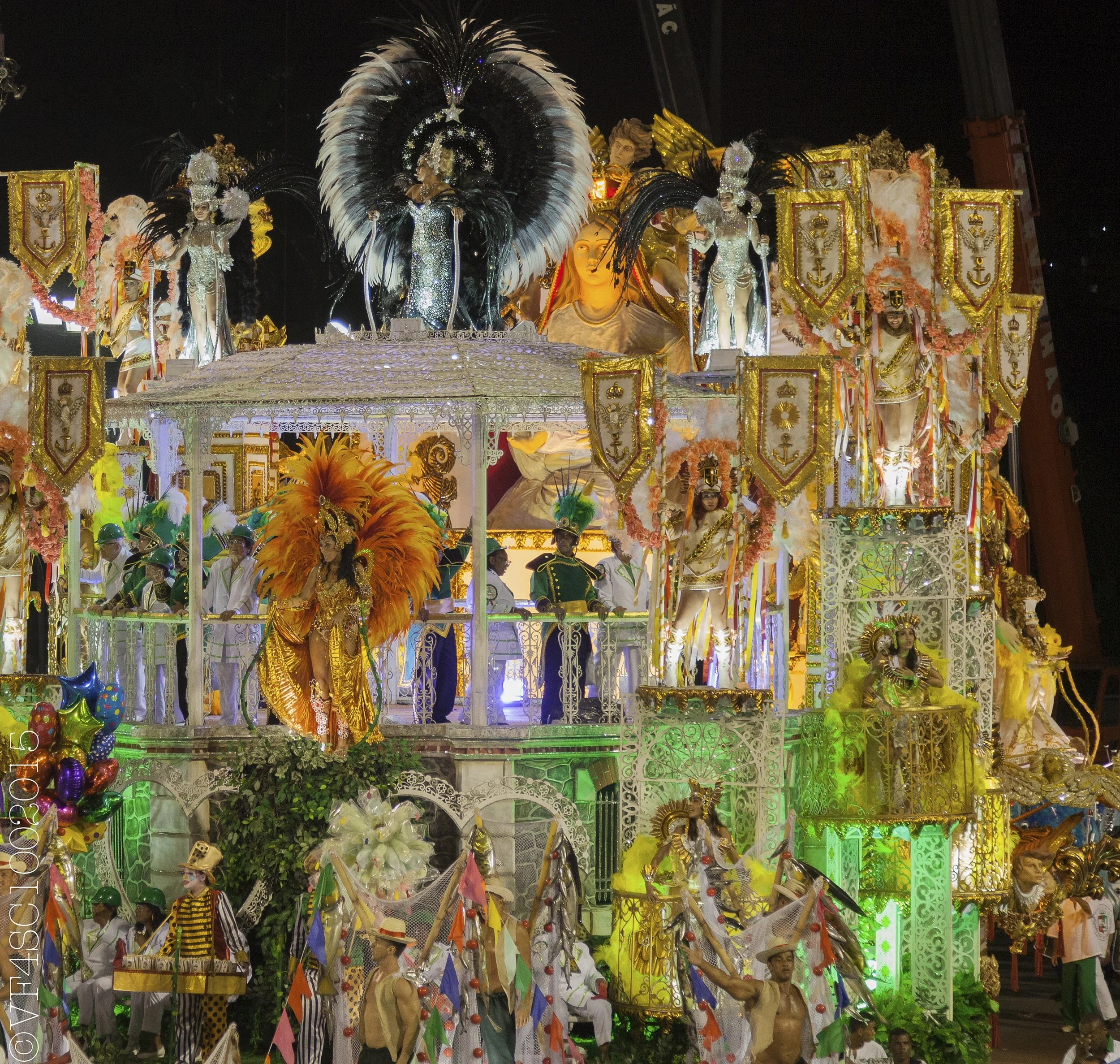
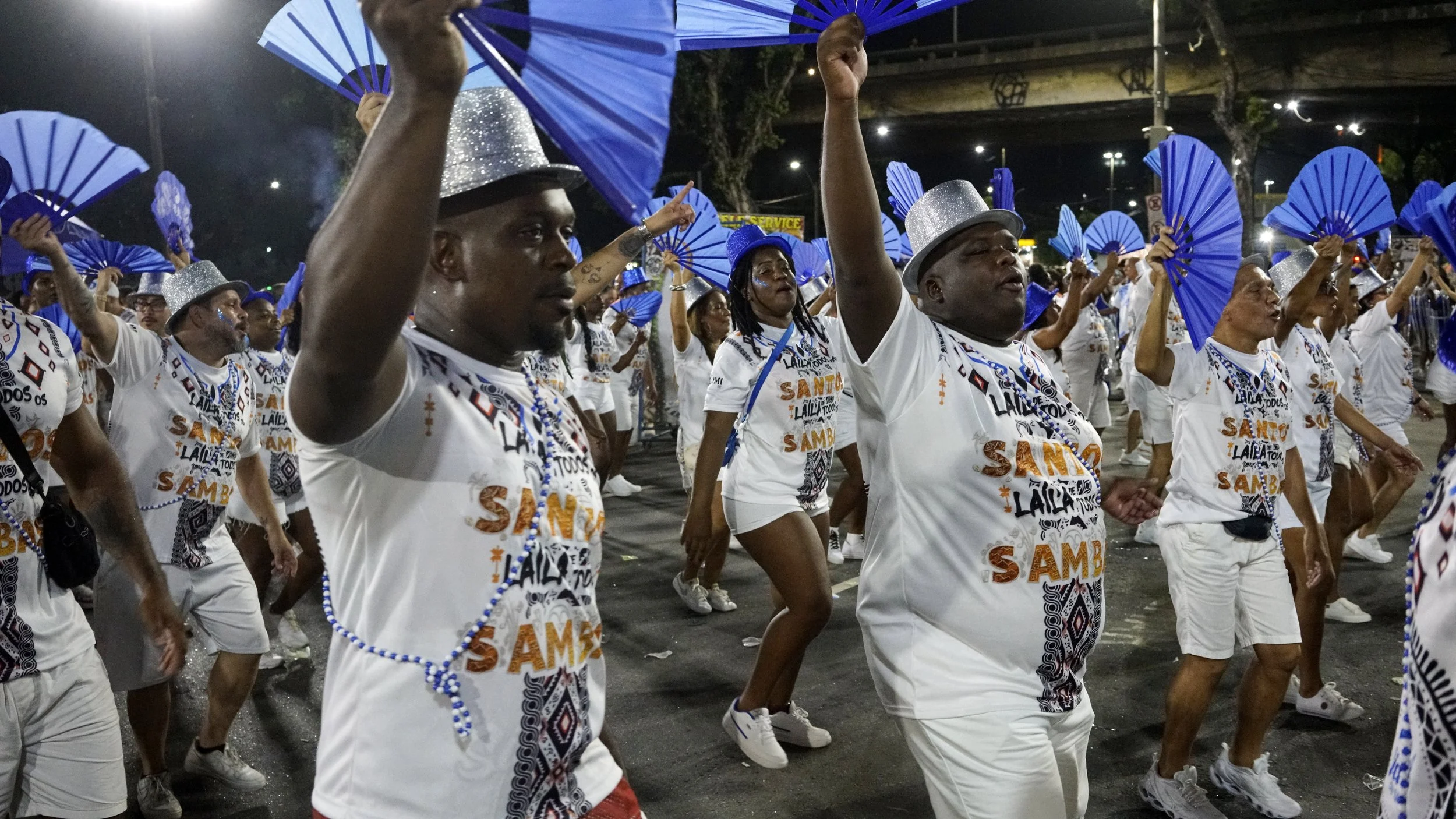
After photographing it, I wanted to stay and keep taking images.
But the night was advancing, the cameras were visible, and the person with me was becoming uneasy in that part of Rio. So I left before I was finished.
Perhaps that is why the memory stayed so alive: because part of me was still there, wanting one more image.
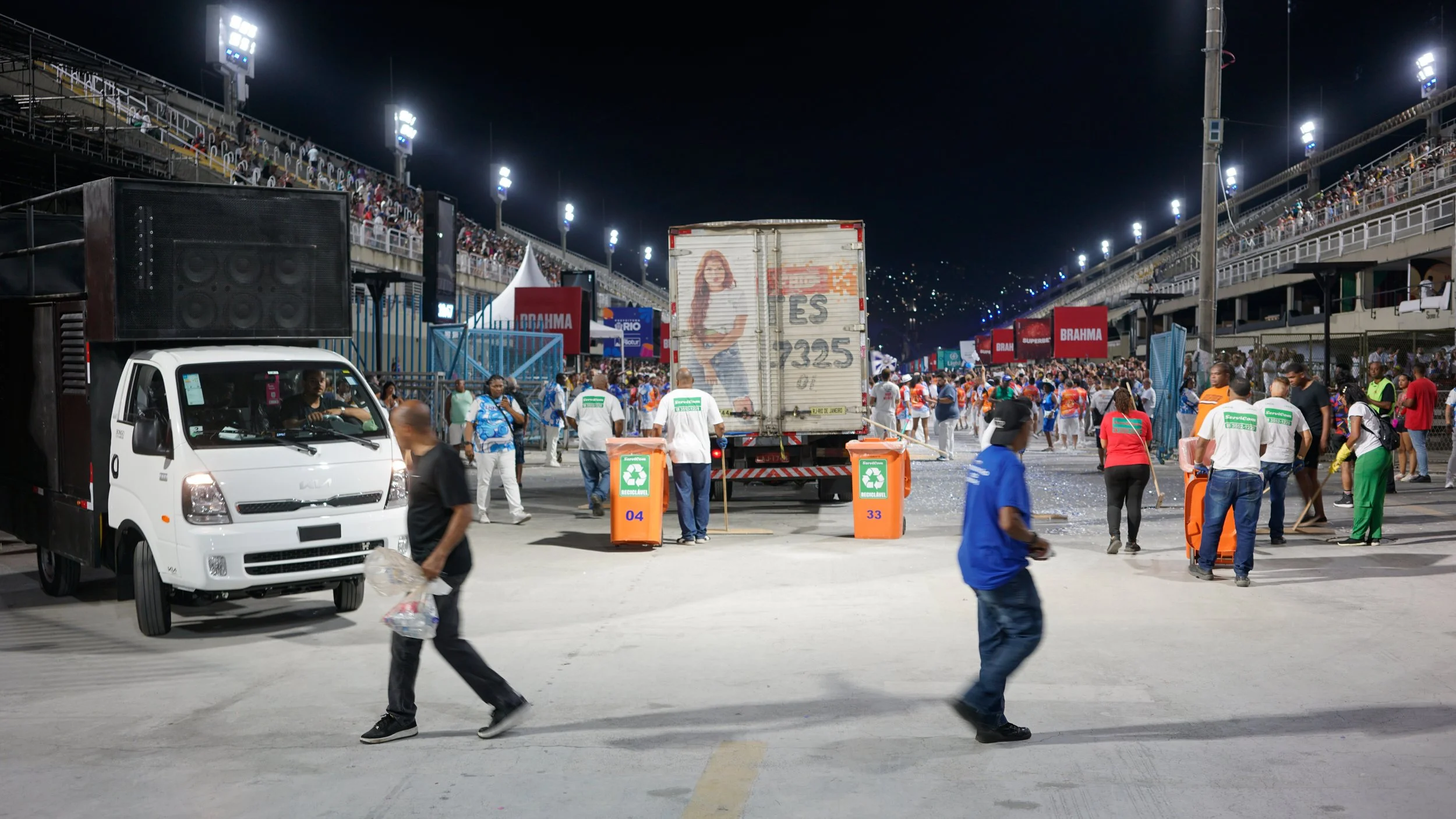
The Carnival route closes here, but Rio continues beyond the avenue.
Public Scale