RIO DE JANEIRO - SAMBA SCHOOLS
Samba Schools
CARNIVAL RIO DE JANEIRO 2025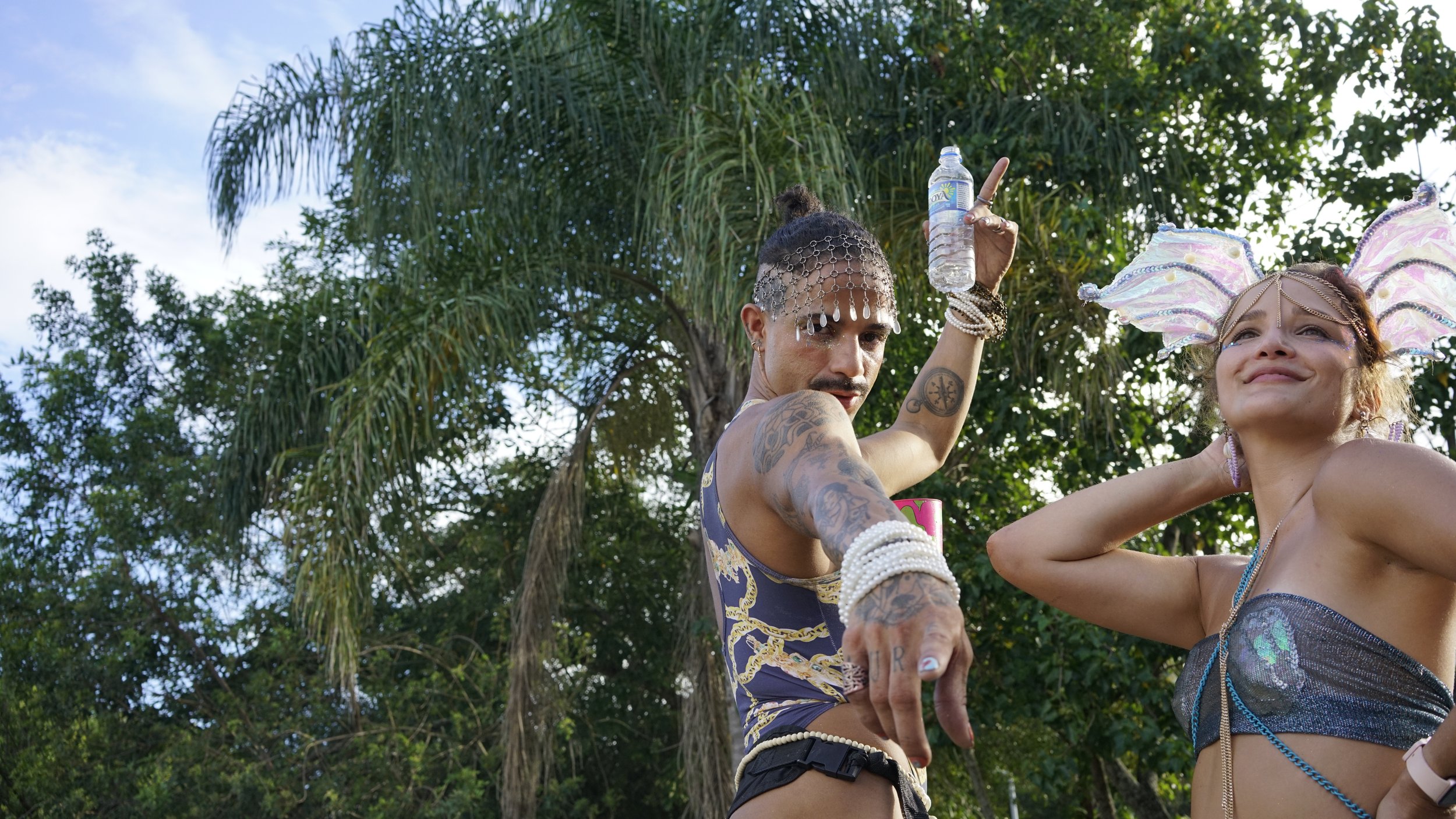
Rio’s Carnival begins long before the Sambódromo.
It gathers in rehearsals, waiting rooms, ateliers, gestures, costumes, music, fatigue, mirrors, and bodies learning how to move together.
This page follows the samba school world as I encountered it: not as a technical archive, but as a living sequence of preparation, pride, beauty, discipline, and human presence.
The names of the schools matter. But here, the first story is the feeling of being there.
Rehearsals, waiting, discipline, beauty, and the living rhythm behind Rio’s Carnival world.
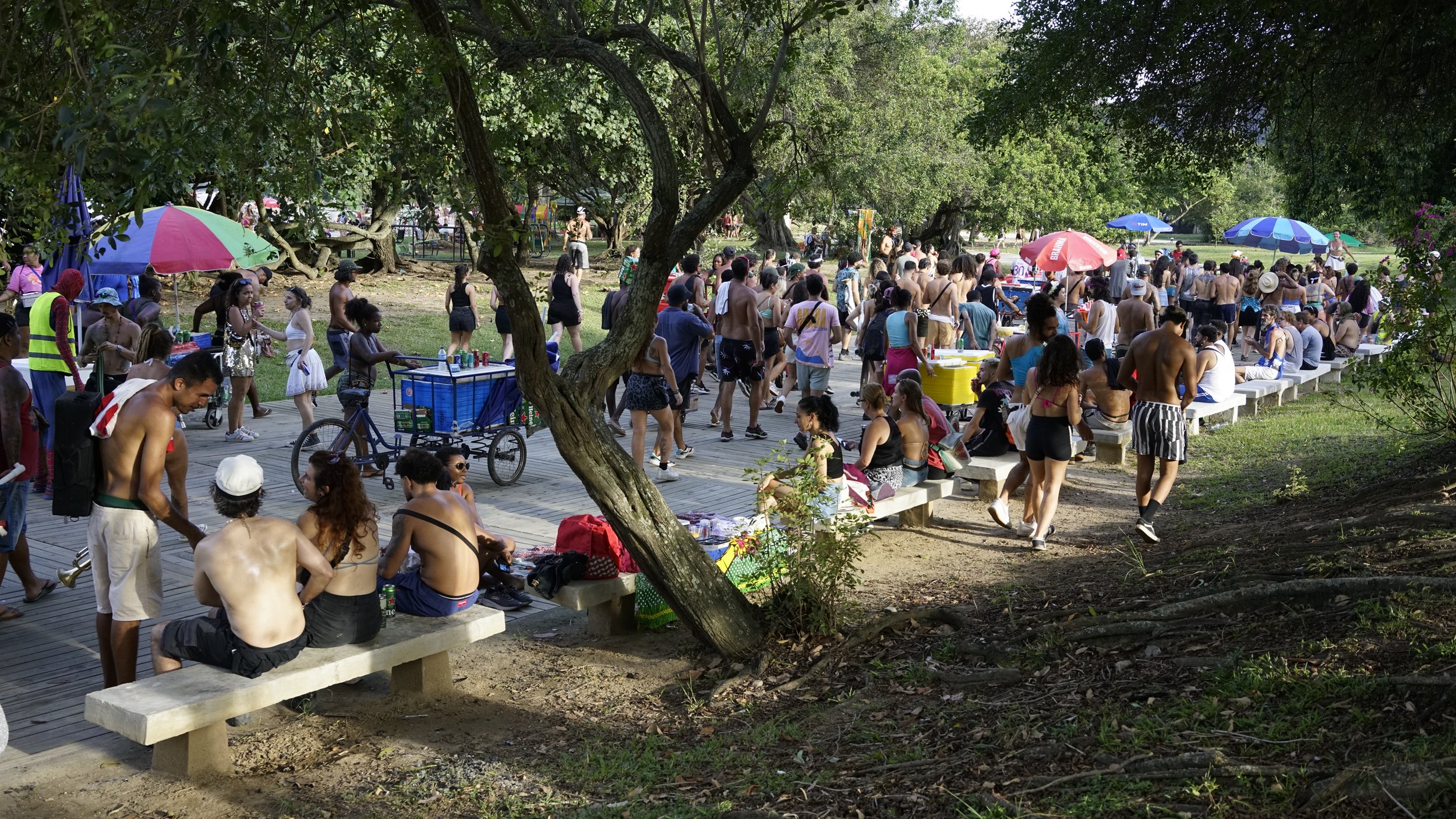
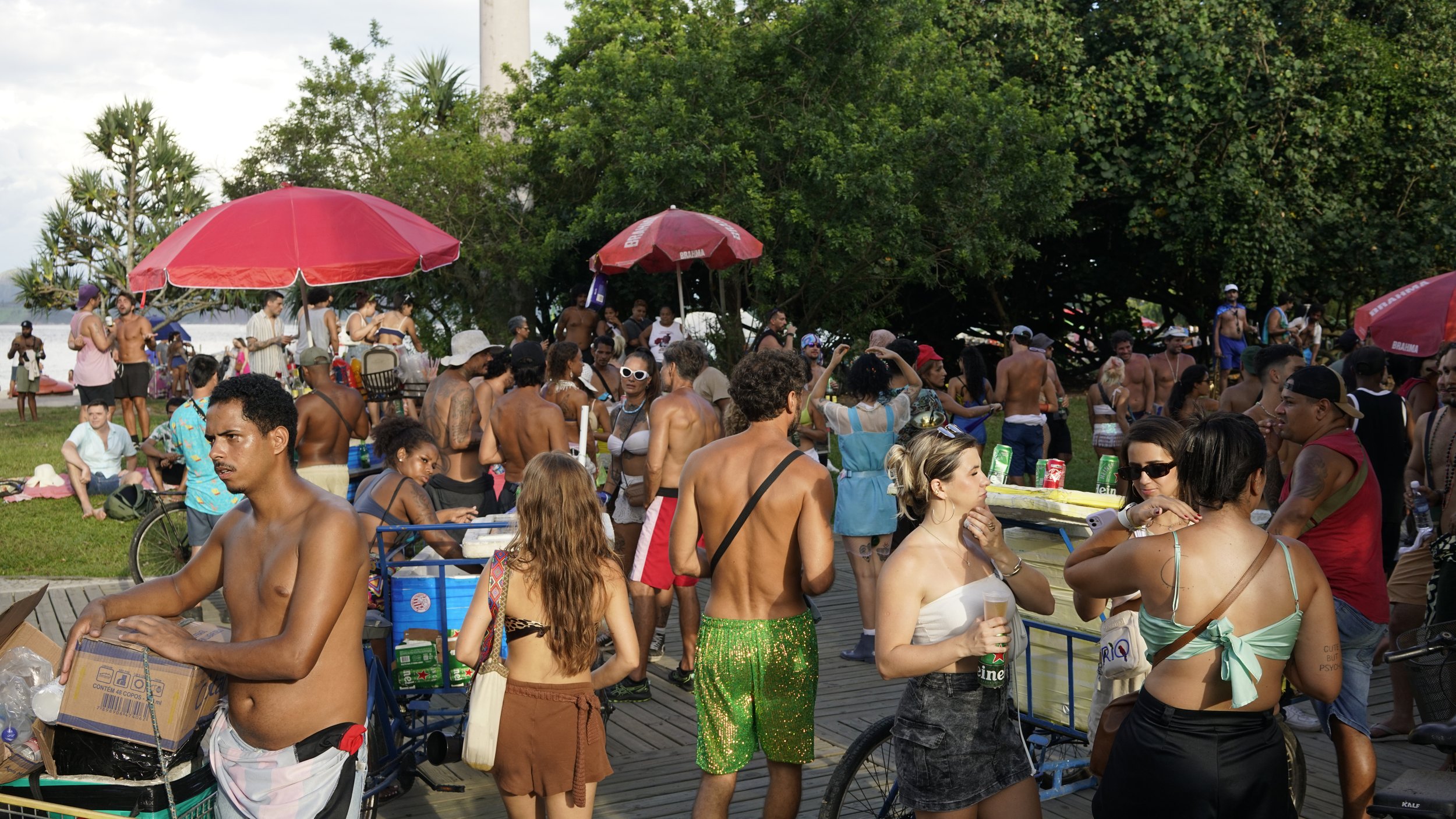
There is a moment before Carnival opens itself to the public.
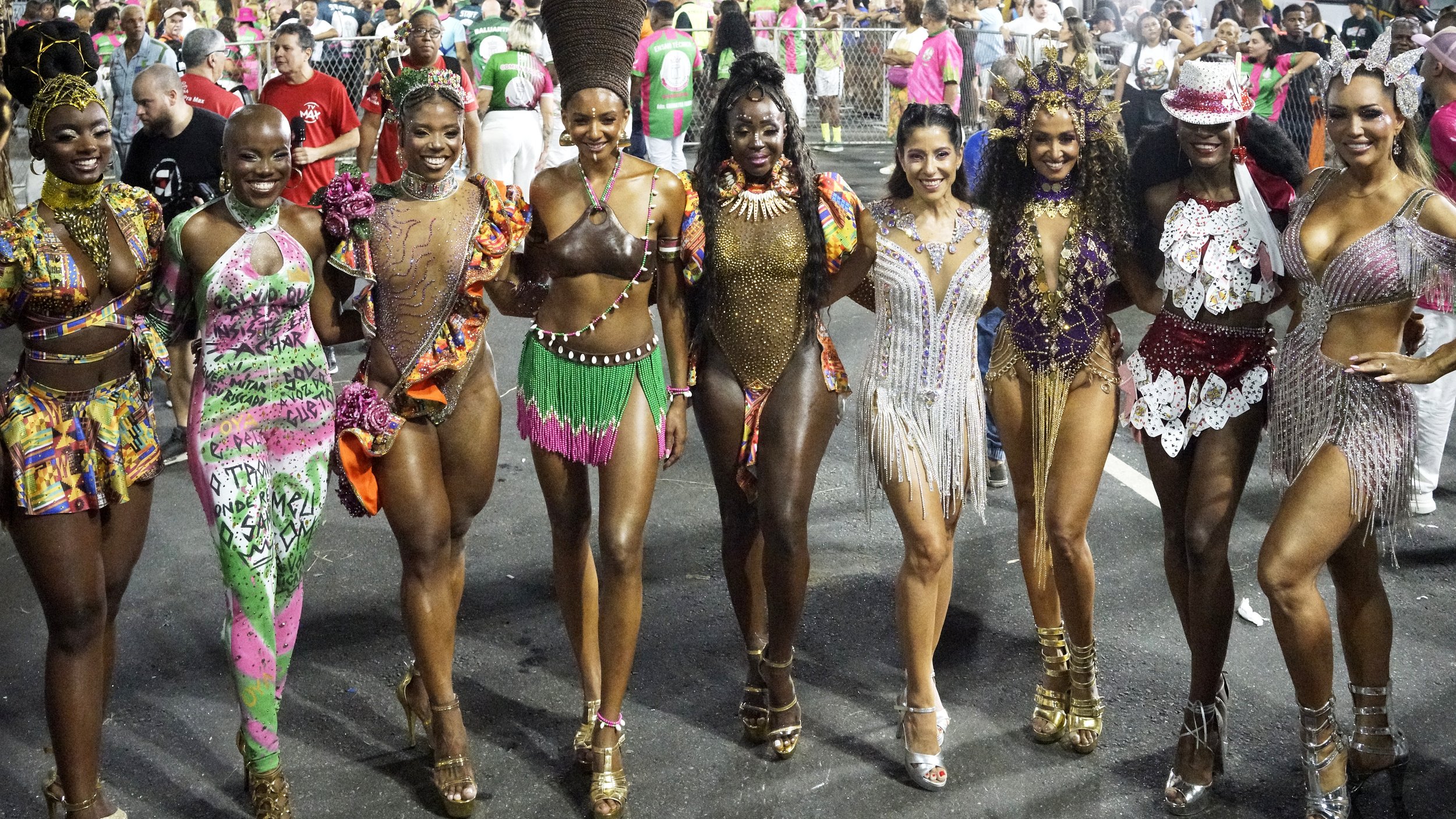
People wait in costume, rehearse in fragments, adjust their bodies to the music, and carry the strange mixture of pride and exhaustion that belongs to long preparation. Nothing is fully still, but nothing has yet exploded.
In these moments, Rio’s Carnival becomes less distant. It stops being only image, color, and spectacle. It becomes human labor. It becomes attention. It becomes people holding themselves together before entering the rhythm.
REHEARSALS AND WAITING
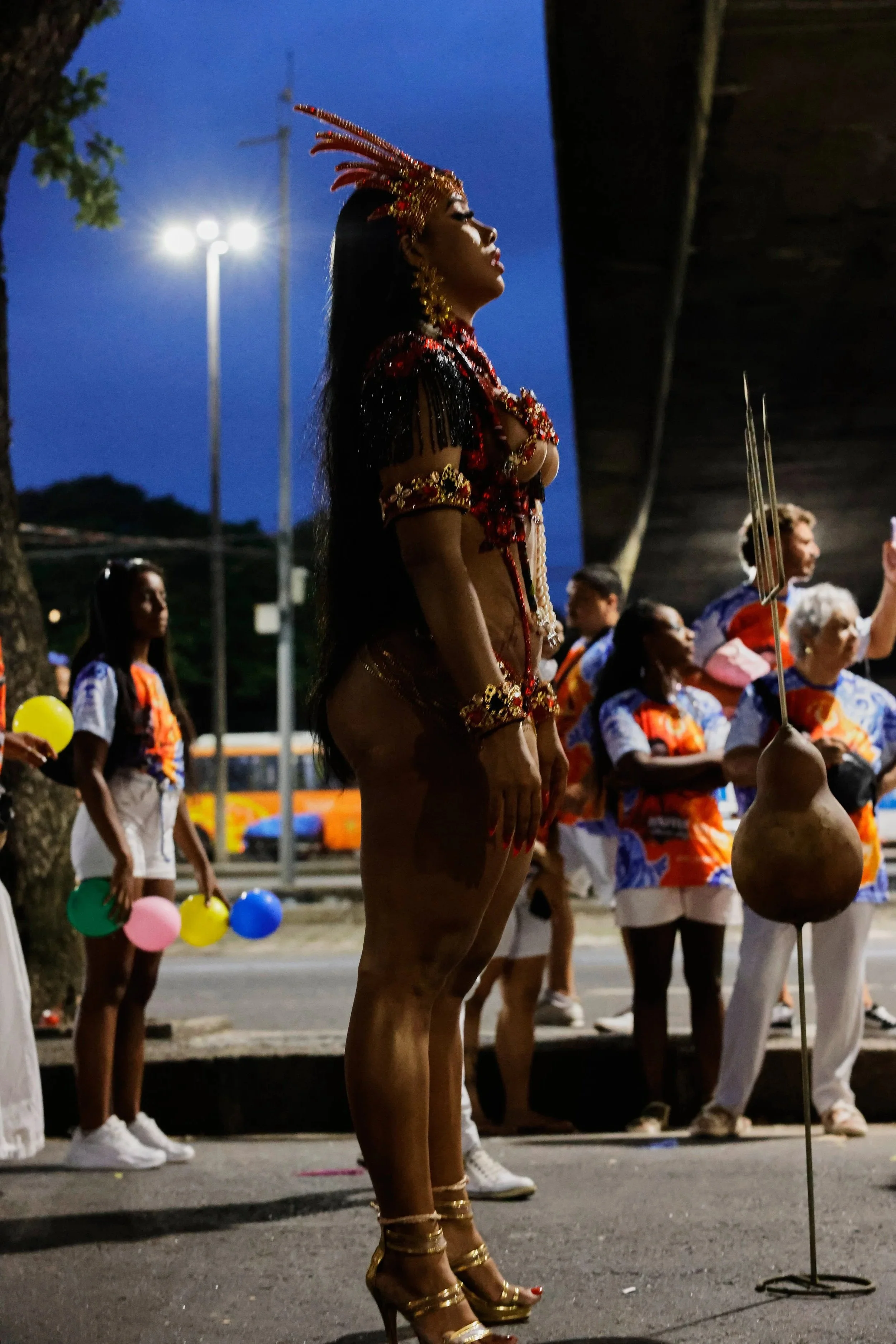
Beija-Flor carries a particular gravity.
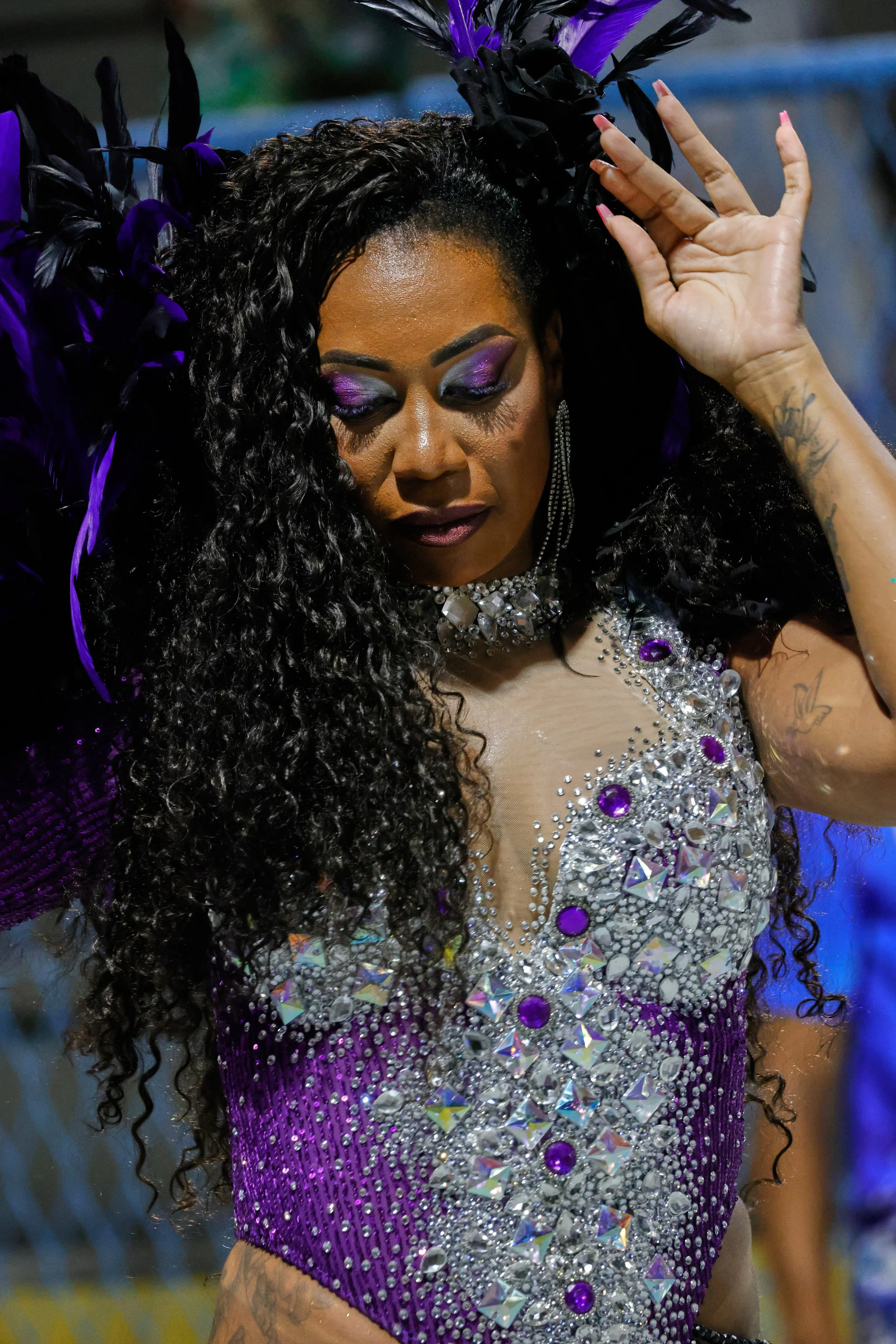
Around the school, there is a sense of memory, discipline, and devotion and farewell. The faces are not only waiting for a parade. They are holding years of repetition, belonging, and expectation. Some gestures feel ceremonial. Others are ordinary and tired. Together, they form the human side of a school that knows how to carry emotion at public scale.
What remains most strongly is not only the color or the music, but the feeling of people standing inside something larger than themselves.
BEIJA-FLOR
The avenue is the final threshold.
Before that, Carnival lives in smaller rooms, open spaces, rehearsal grounds, and unfinished costumes. It lives in people waiting, correcting, resting, laughing, adjusting, repeating, and gathering themselves before the night becomes public.
What appears later as spectacle begins here as work, patience, rhythm, and trust.
THE WORLD BEFORE THE AVENUE
Rio de Janeiro, Brazil
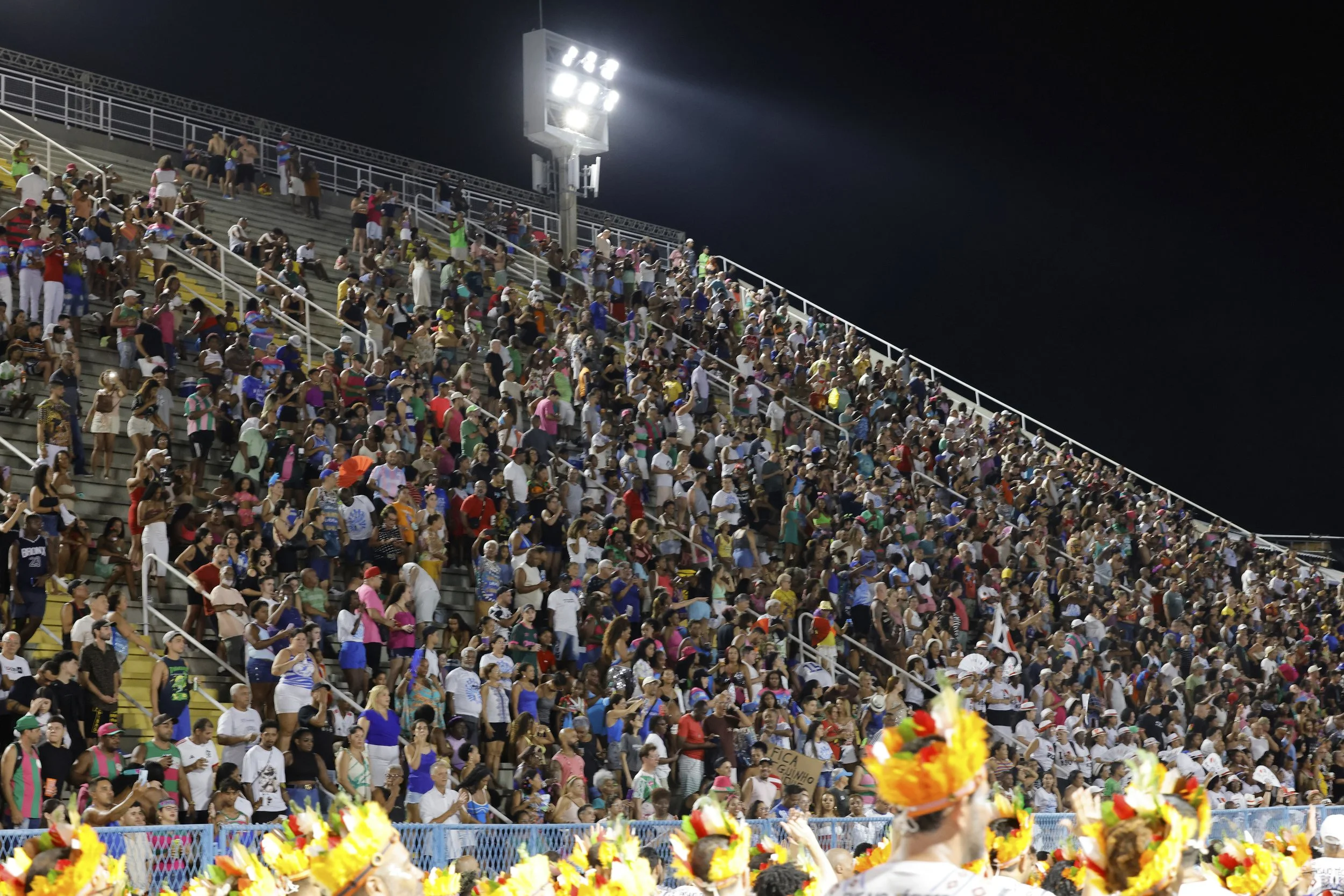
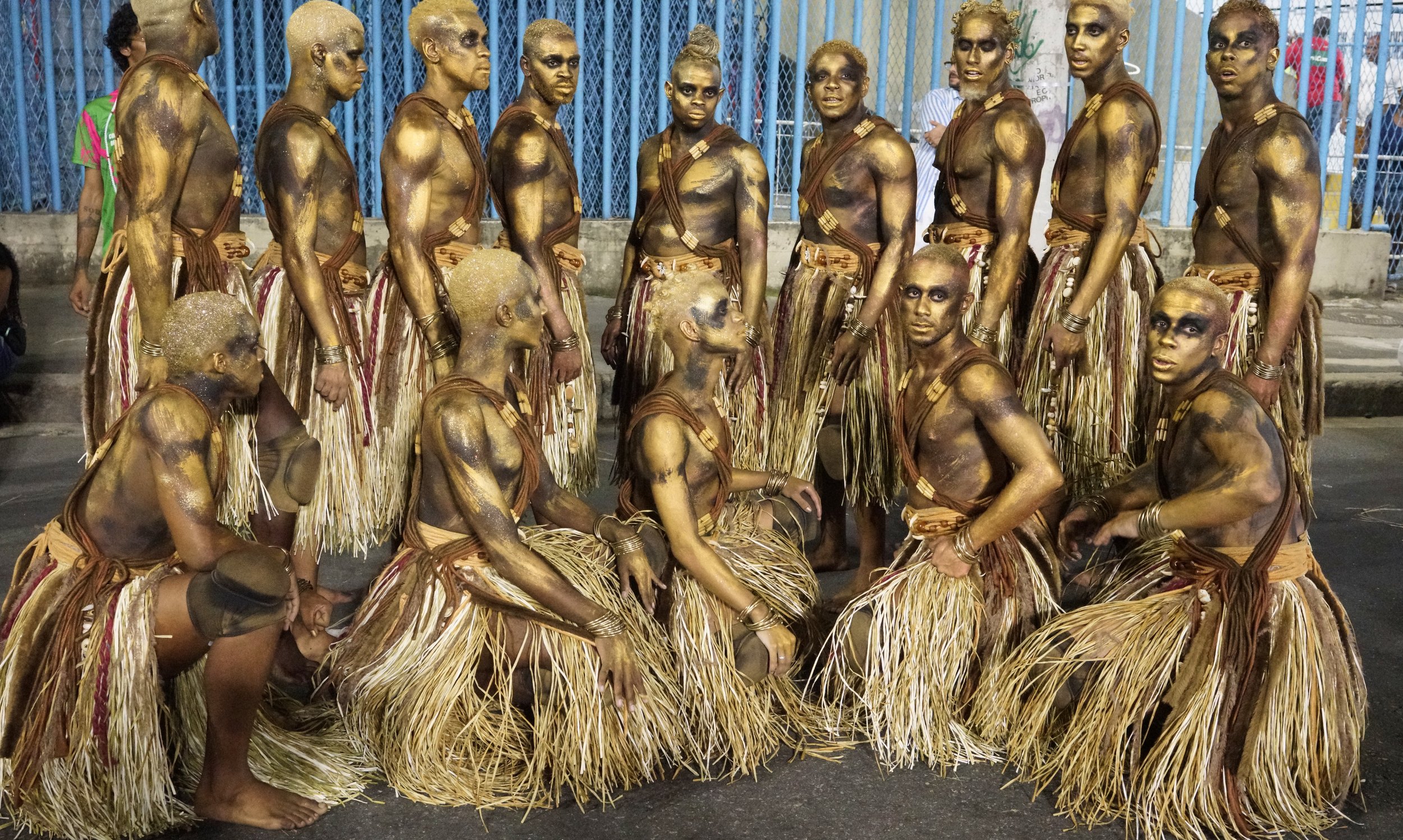
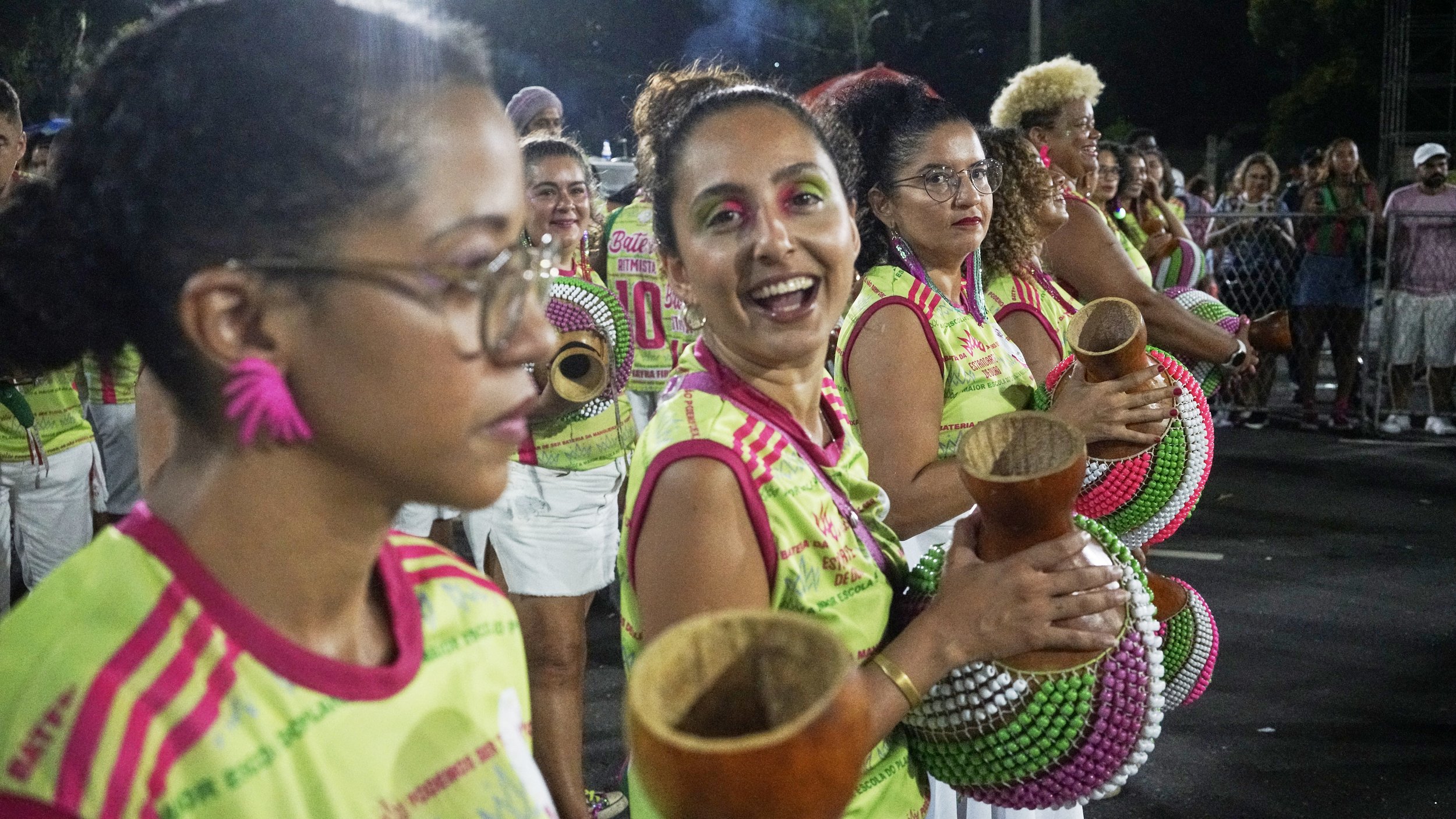
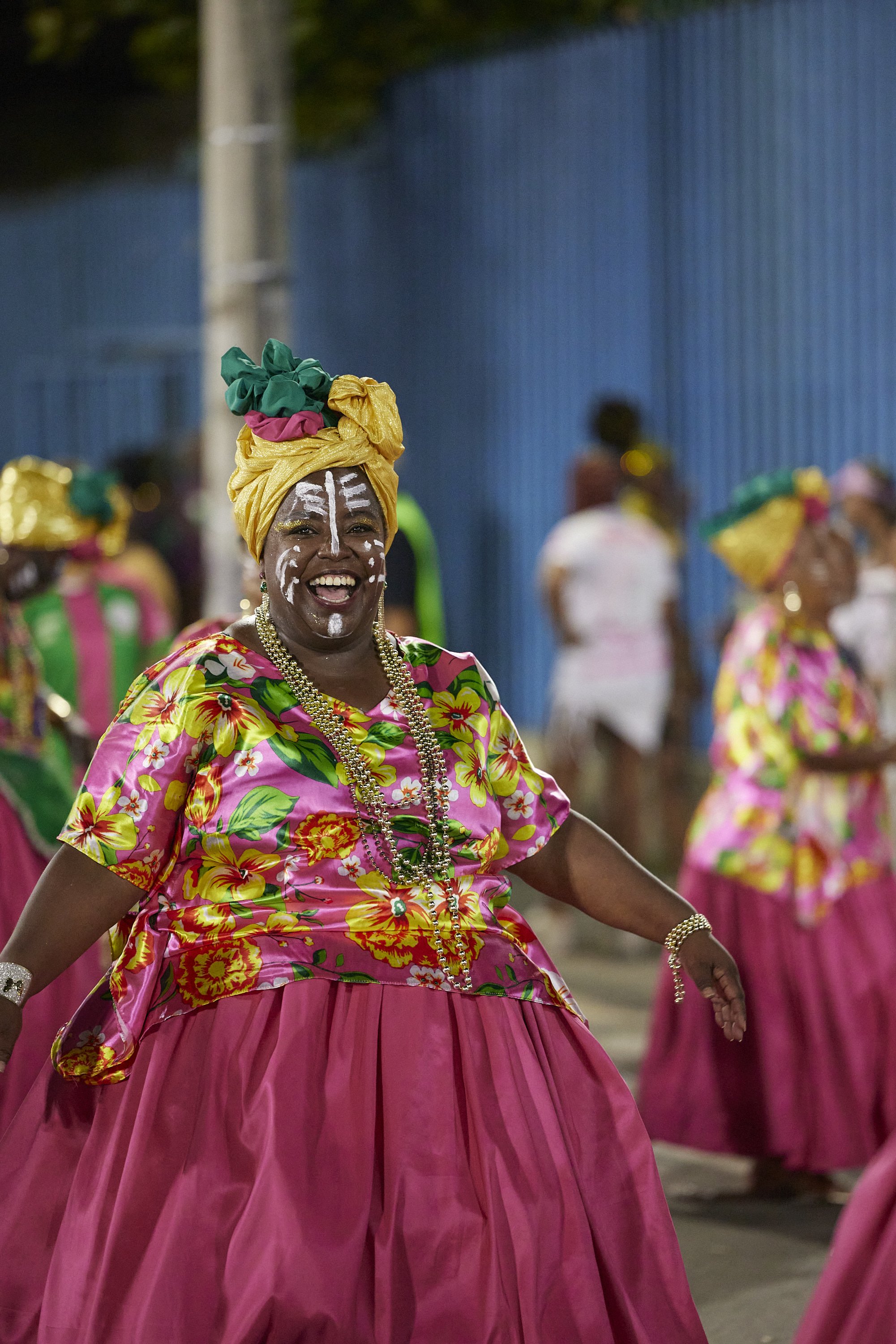
Mangueira feels less like an event and more like a pulse.
There is warmth around it, a bodily intelligence, a way for music and community to pass through people before anything reaches the avenue. The school seems to carry both joy and seriousness, both memory and performance.
In the waiting, the bodies already know something. The rhythm is present before the parade begins. It lives in the shoulders, the hands, the posture, the way people gather close to one another without needing to explain why.
MANGUEIRA
INOCENTES DE BELFORD ROXO

Some presences do not need to be monumental to remain important.
With Inocentes de Belford Roxo, the attention moves closer to the human scale of Carnival: the waiting, the costumes, the faces, the bodies carrying their part of the night with concentration and pride.
Here, the spectacle feels more fragile and more intimate. It reminds us that Carnival is not only made by the schools everyone already knows. It is also made by people who arrive, prepare, wait, and give themselves to the avenue with the same seriousness.
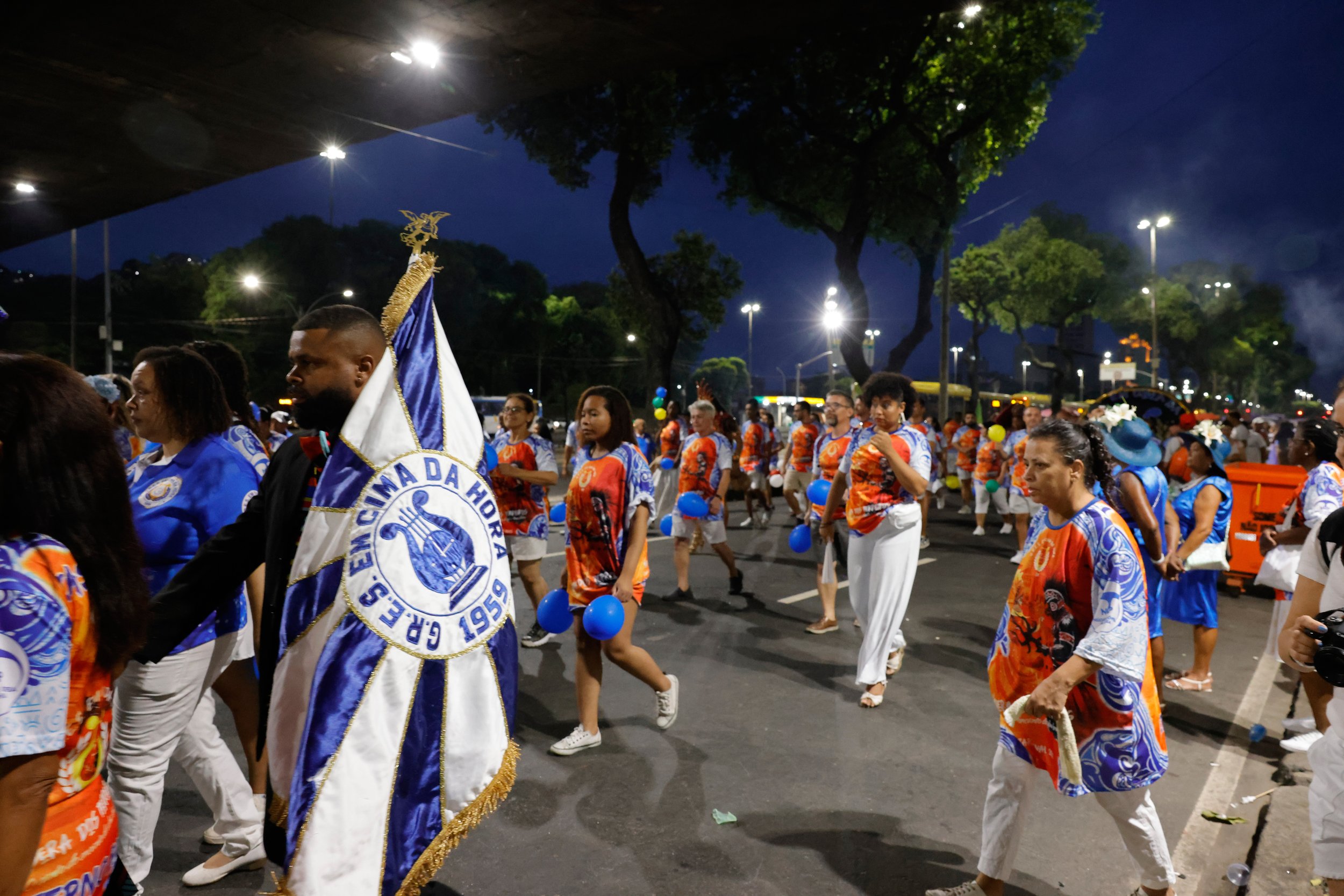
EM CIMA DA HORA
THE ATELIER
Em Cima da Hora brings another rhythm into the page.
There is movement, anticipation, and the feeling of people gathering themselves before the night opens. Some moments are brief. Some are unfinished. Some exist only as fragments: a look, a costume adjustment, a body turning toward the sound.
This is part of Carnival too. Not only the finished image, but the seconds before it becomes one.
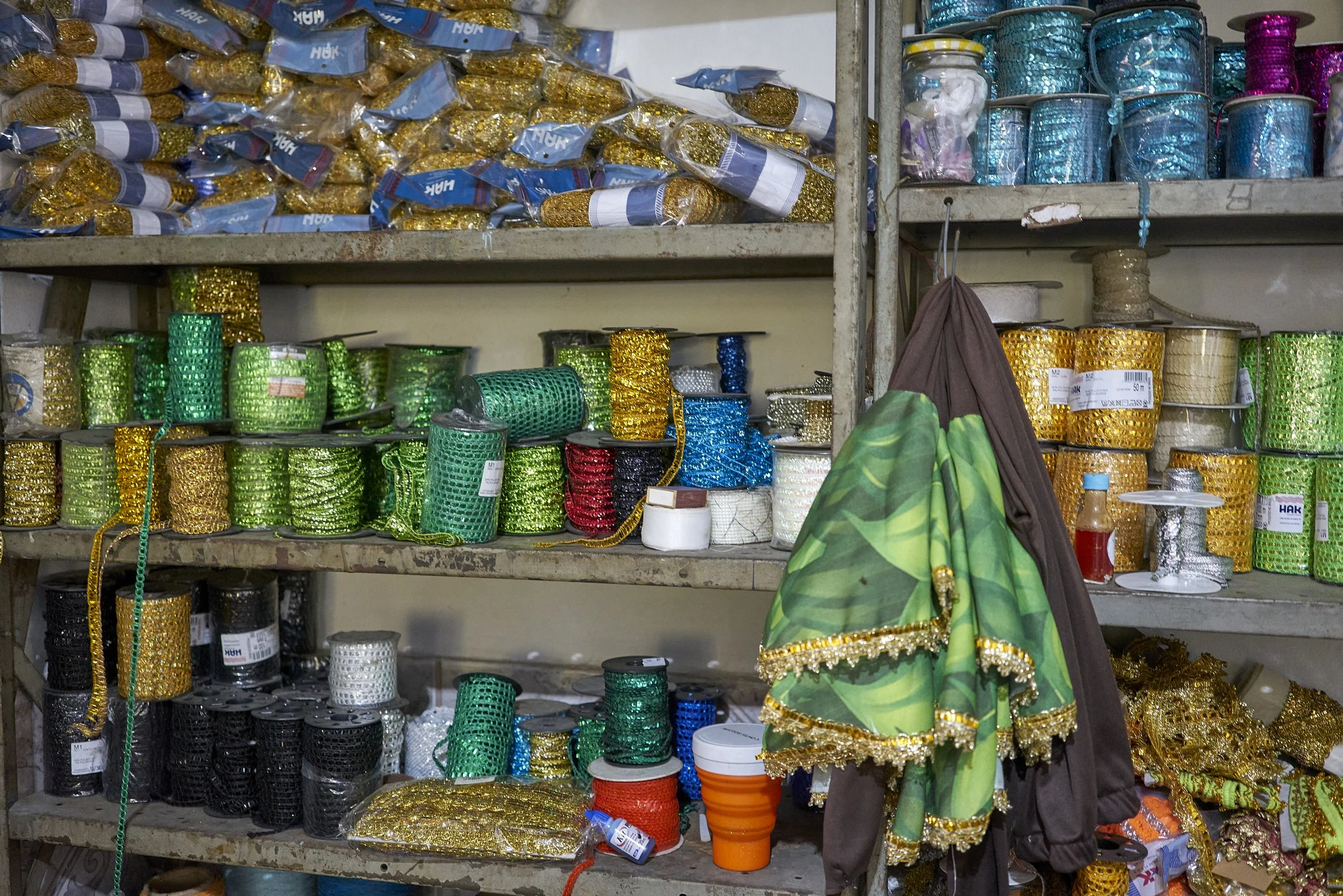
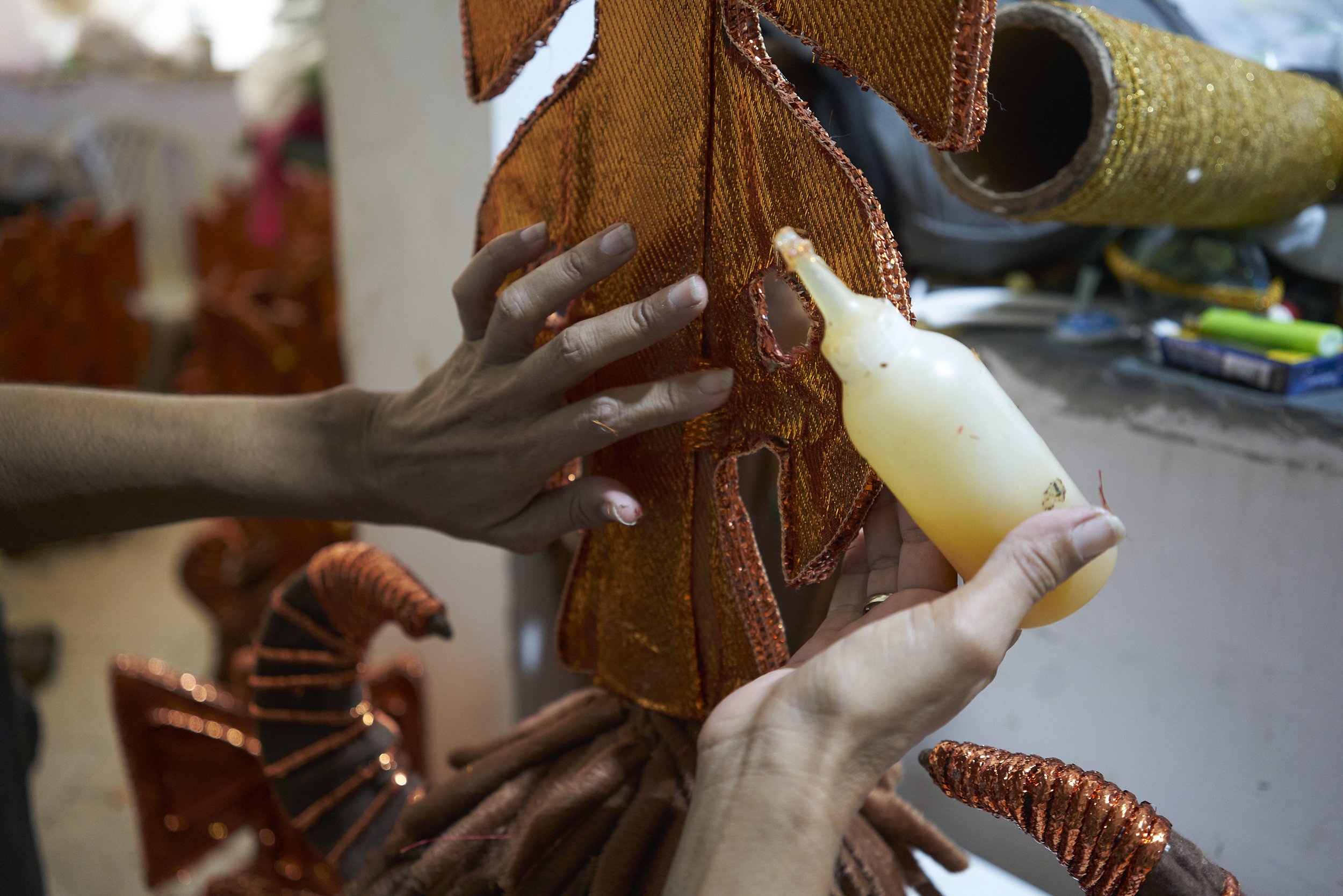
Before the body enters the avenue, the costume has already passed through many hands.
The atelier is one of the quiet centers of Carnival. It holds the invisible labor: fabric, feathers, glue, thread, measurements, repairs, repetition, pressure, and time. Here, spectacle is still unfinished. It is touched, corrected, carried, and made possible.
There is beauty in this stage because nothing is yet complete. The dream is still being built. The people who work here are not outside Carnival. They are part of its breathing structure.
Without them, the night would have no skin.
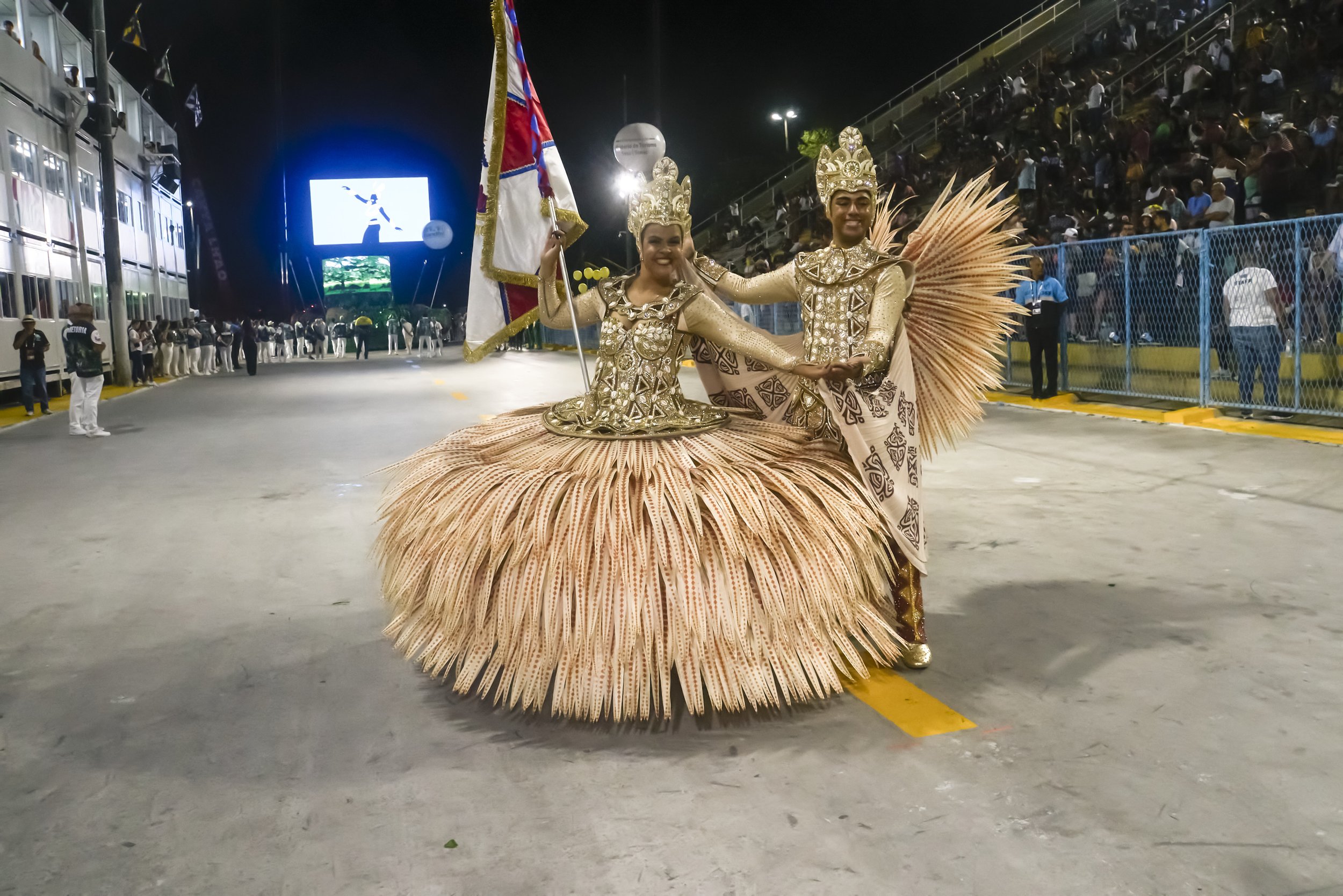
ENTER THE SAMBÓDROMO
After the rehearsals, the waiting, the costumes, and the work, everything moves toward the avenue.
The Sambódromo is not only the place of the parade. It is the place where preparation becomes presence.